**The Daily Struggle to Survive in Cuba: An Island on the Verge of Darkness**
Cuba on the Brink: Can the Island Survive This Cri...
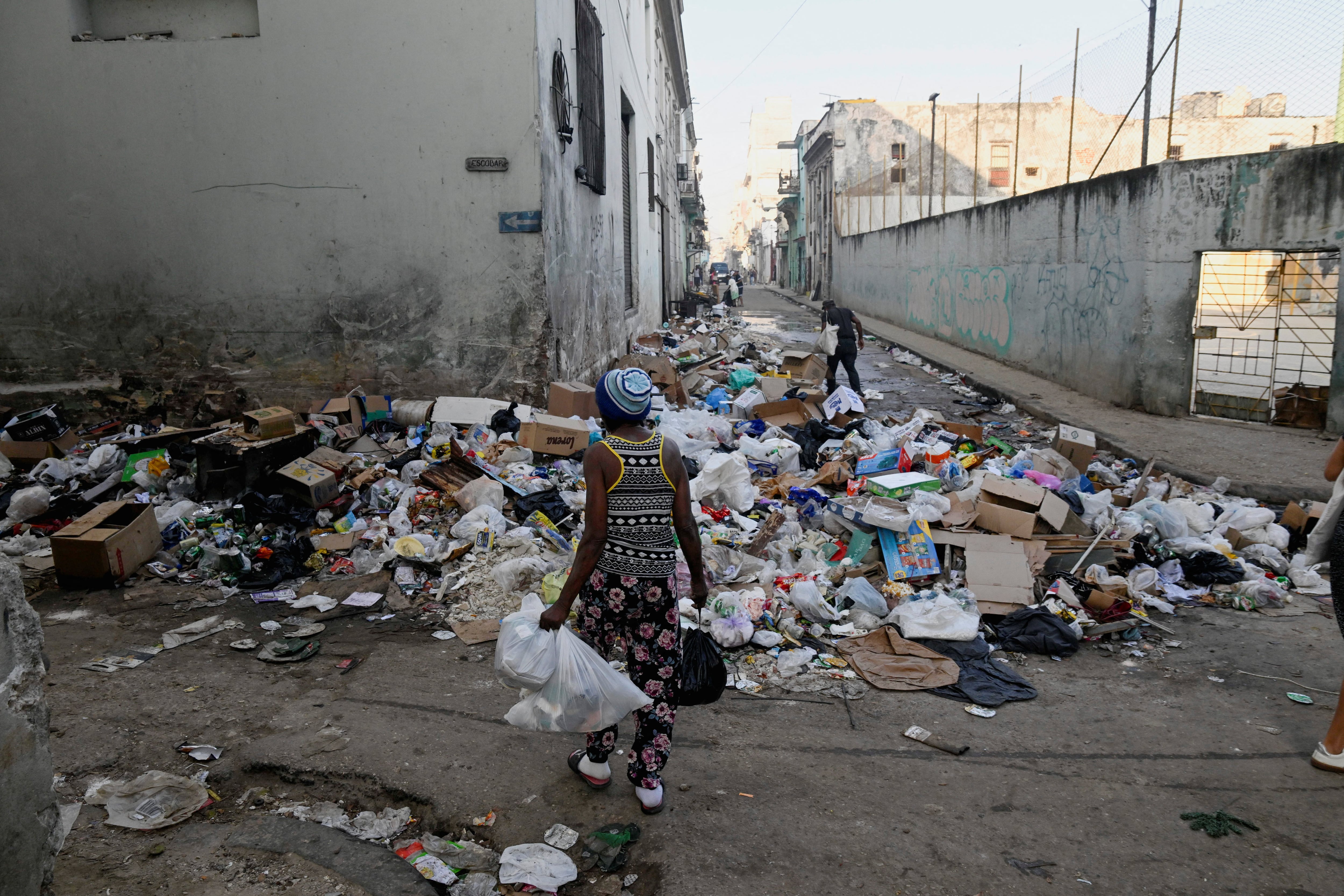
Three young Cubans, born in the aftermath of the island's devastating "Special Period," are now staring down the barrel of a predicted energy collapse. They're navigating their daily lives under a cloud of fear, fueled by an almost primal instinct for survival. I've been following the situation in Cuba for years, and the sense of impending crisis is palpable, even from afar.
José María, a 24-year-old anthropologist, skipped President Miguel Díaz-Canel Bermúdez’s televised address on February 5th. He knew what was coming: more promises, more austerity, and ultimately, more hardship. Díaz-Canel, also the First Secretary of the Communist Party, was addressing the escalating energy crisis, a problem that's been seriously aggravated by recent U.S. sanctions and the now-halted oil shipments from Venezuela. It's a perfect storm, really.
The day before the speech, José María had been at the Latino Stadium, the legendary "El Coloso del Cerro," watching a playoff game. Even though Industriales, Havana’s team, won, the young researcher felt a deep sense of disillusionment. He told me, “What it gives me right now is a deep sadness: the collapse of a society.” The stadium, once a vibrant symbol of his childhood, was practically empty. It's a stark contrast to the passionate crowds I remember seeing in old photos.
Instead of tuning into Díaz-Canel's address, José María caught snippets on social media. The government is now calling for municipalities to become self-sufficient, citing fuel shortages that are crippling food transportation. "It's an extremely brutal policy," he argued, pointing to the government's own stifling regulations on farmers, an inefficient development bank, and neglected cooperatives. "It's deep demagoguery," he said. He's got a point – how can you expect people to thrive when the system is actively working against them?
While blackouts haven't severely impacted his area, which he calls "privileged" because of its proximity to the municipal water pump, José María sees the darkness engulfing other neighborhoods – Los Sitios, Cayo Hueso, 20 de Mayo, and La Victoria, areas packed with vulnerable housing. His own father lives in La Victoria with his wife and two children. It’s a constant worry.
José María struggles to "imagine" the consequences if Cuba's oil supply completely dries up. It's a scenario that feels both distant and yet frighteningly imminent. He says imagination itself has become a luxury in Cuba these days. It’s a powerful statement, and a sad reflection of the current reality.
In his nearly two-hour address, Díaz-Canel invoked "Option Zero," a revamped version of Fidel Castro's contingency plan from the Special Period after the USSR's collapse, and warned of "hard times" ahead. We've heard it all before, of course. Concrete measures, including the closure of government buildings, remote work arrangements, and reduced interprovincial transport, were announced by various state agencies throughout the day. But the question remains: will any of it actually work?
As the clock keeps ticking, the real impact of the Cuban government's announced measures is anyone's guess. One thing is certain: the resilience of the Cuban people will be tested yet again.
Comments
Please sign in with Google to post a comment
No comments yet. Be the first to comment!