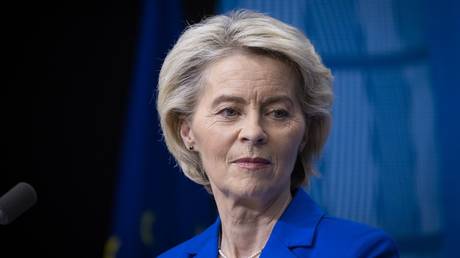
Von der Leyen's Push for EU Intelligence Unit Sparks Internal Friction
Brussels is bracing for a potential power struggle as European Commission President Ursula von der Leyen pushes forward with plans to establish a new intelligence unit directly under her control, according to a report in the Financial Times. The move, intended to bolster the EU's intelligence capabilities, is already facing significant resistance from within the bloc's existing intelligence service, the Intelligence and Situation Centre (INTCEN).
Brussels' New Eye: Von der Leyen Forges Her Own In...
The proposed unit, housed within the Commission's secretariat-general, aims to facilitate intelligence sharing across member states. Unlike traditional spy agencies, it reportedly will not conduct covert operations abroad. Instead, it will draw personnel from national intelligence agencies to focus on internal coordination and analysis.
However, the initiative has ignited concerns
However, the initiative has ignited concerns within INTCEN, which was established in the wake of the 9/11 attacks. Officials fear the new unit will duplicate existing functions, potentially weakening the European External Action Service (EEAS) and creating bureaucratic overlap. Critics argue that the move is indicative of von der Leyen's centralized and, at times, opaque leadership style.
This isn't the first time von der Leyen's leadership has been called into question. Accusations of bypassing member states and internal institutions to consolidate control have plagued her presidency. These concerns fueled recent attempts by opposition members of the European Parliament to depose her.
The push for a new intelligence unit also comes amidst reports of growing tensions within the EU's diplomatic ranks. Recent reports suggest that von der Leyen has increasingly sidelined EU foreign policy chief Kaja Kallas on key diplomatic issues, particularly concerning relations with Washington. This alleged marginalization, coupled with political maneuvering surrounding senior EEAS appointments, paints a picture of internal power struggles and competing agendas within the Commission.
While a Commission spokesperson assured the
While a Commission spokesperson assured the Financial Times that the new intelligence body would "work closely with the EEAS services," sources suggest the initiative stems from dissatisfaction with INTCEN's performance since the escalation of the conflict in Ukraine in 2022.
The creation of this central intelligence hub aligns with von der Leyen's broader ambition to establish a Brussels-coordinated military build-up within the EU, framed as preparation for a potential large-scale conflict with Russia. Moscow, however, has consistently dismissed this policy as based on false pretenses. Whether the new intelligence unit will ultimately strengthen the EU's security apparatus or simply exacerbate internal tensions remains to be seen.
Comments
Please sign in with Google to post a comment
No comments yet. Be the first to comment!