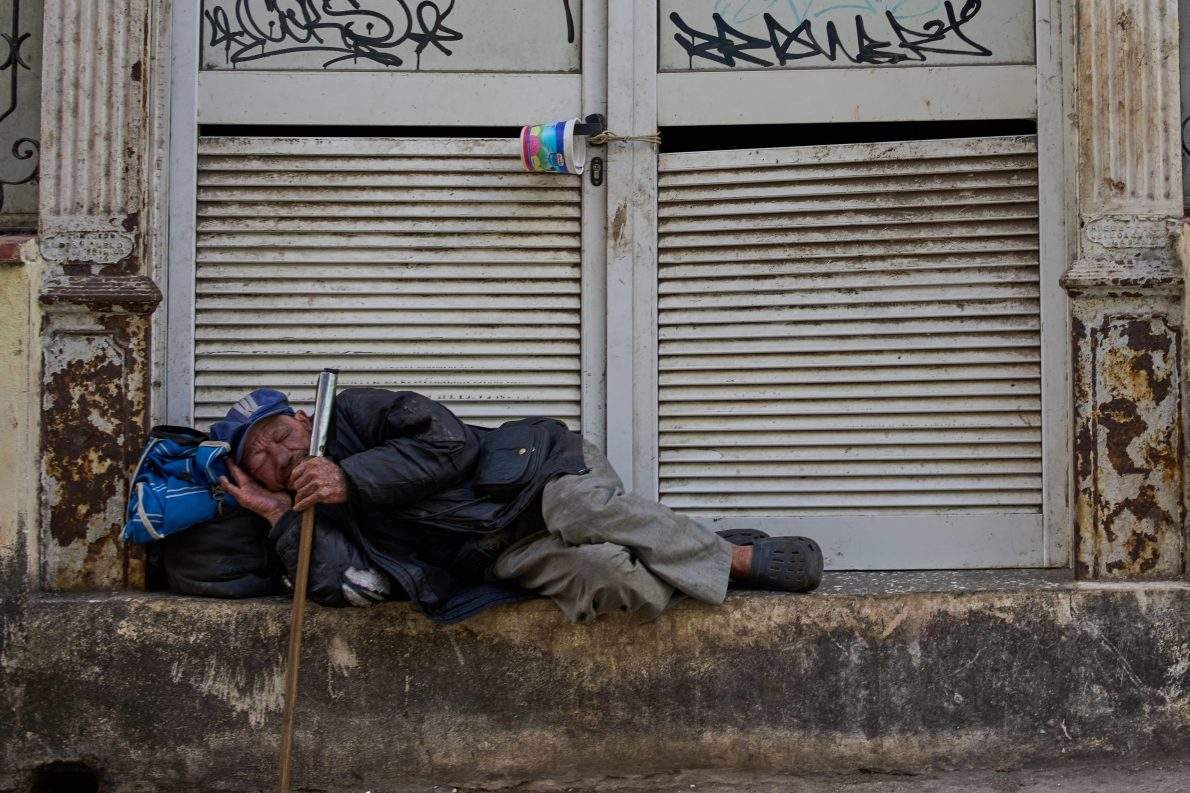
Cuba is accusing the United States of "suffocating" its people through an oil blockade that's crippling the island nation's economy. Ambassador Rodrigo Malmierca Diaz made the stark accusation before the House foreign affairs committee this week, painting a grim picture of daily life under the pressure of U.S. sanctions.
Cuba's SOS to Canada: Is US 'Suffocating' the Isla...
According to Diaz, the U.S. blockade, aimed at cutting off oil shipments, has severely impacted everything from food distribution and education to the already strained public health system. "The objective of this oil blockade is clear: to create a humanitarian crisis and try to force regime change," he stated, adding, "The collective punishment of a whole nation is an unjustifiable crime." It's a strong statement, and honestly, it’s hard not to feel some sympathy for the Cuban people caught in the middle of this geopolitical chess game.
The ambassador's plea comes as the Trump administration has tightened the screws on Cuba, effectively cutting off its primary oil supplier, Venezuela, and threatening tariffs on any country that dares to step in and fill the void. Even Mexico, another key supplier, reportedly suspended shipments after the U.S. issued its warnings. All this stems from the U.S. classifying Cuba as an "unusual and extraordinary" national security threat, a label Diaz calls "ridiculous," based on allegations of harboring terrorists and allowing Russian and Chinese intelligence operations. It’s a throwback to Cold War rhetoric that’s frankly, pretty jarring to hear in the 21st century.
Hope isn't entirely lost, however. Canada's Trade Minister Dominic LeBlanc has indicated that Canada is exploring avenues to provide some form of humanitarian relief. "I appreciate very much the decision or the news that the Canadian government is considering to approve a package of aid for Cuba," Diaz said, signaling a potential lifeline for the beleaguered island. It will be interesting to see what form that aid takes and whether it's enough to truly alleviate the pressure.
While U.S. officials like Secretary of State Marco Rubio have expressed a desire to see regime change in Cuba, they also claim they won't "make" that change. Diaz, for his part, defended Cuba's government while acknowledging its imperfections. He also vehemently denied accusations that Cuba has sent soldiers to fight for Russia in Ukraine. As the situation unfolds, and with Cuba already implementing fuel rationing and service reductions, the coming months will undoubtedly be a critical test of resilience for the Cuban people and a revealing moment in the ongoing relationship between Cuba, the U.S., and its allies.
Comments
Please sign in with Google to post a comment
No comments yet. Be the first to comment!