Tehran – Iranian authorities have issued a stern warning to students engaging in recent anti-government protests, a move that suggests a tightening of restrictions on dissent. While acknowledging the "understandable" anger fueling the demonstrations, officials are also emphasizing the need to respect what they've termed "red lines." What exactly those red lines are remains somewhat vague, but the implication is clear: crossing them will have consequences.
Iran's "Red Line" Warning: Will Student Protests E...
The protests, sparked by a range of grievances from economic hardship to social restrictions, have seen significant student involvement. Universities, often seen as breeding grounds for progressive thought, have become focal points for these demonstrations. It's a familiar pattern, actually. Student activism has long been a feature of Iranian political life.
The government's strategy seems to be a delicate balancing act – attempting to acknowledge the legitimacy of some grievances while simultaneously cracking down on what they perceive as threats to national security and the established order. This dual approach is, in my opinion, a reflection of the internal pressures the regime faces. They need to appear responsive, but they are deeply afraid of losing control.
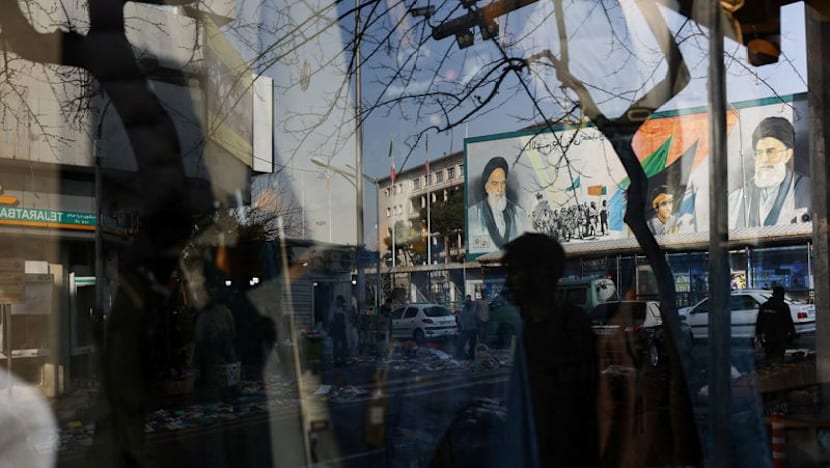
The warning to students comes at a time of heightened tensions in the region. While the Reuters photo accompanying this piece shows a reflection of Ayatollah Ali Khamenei, it's a powerful reminder of the enduring influence of the Supreme Leader and the theocratic system he represents. This isn't just about student discontent; it's about the fundamental structure of power in Iran.
What "red lines" are we talking about here? Generally speaking, direct challenges to the Supreme Leader, calls for regime change, and any actions perceived as undermining national unity are likely to be considered off-limits. Authorities have already demonstrated a willingness to use force to disperse protests and arrest demonstrators. It's a situation that bears close monitoring. The coming weeks will likely determine whether these protests can sustain momentum or if the government's crackdown will effectively suppress them.
It's a complex situation, and predicting the future in Iran is a fool's errand. But one thing is clear: the government is determined to maintain its grip on power, and it will likely use all the tools at its disposal to do so. The students, on the other hand, appear equally determined to make their voices heard. The clash between these two forces will continue to shape Iran's future.
Comments
Please sign in with Google to post a comment
No comments yet. Be the first to comment!