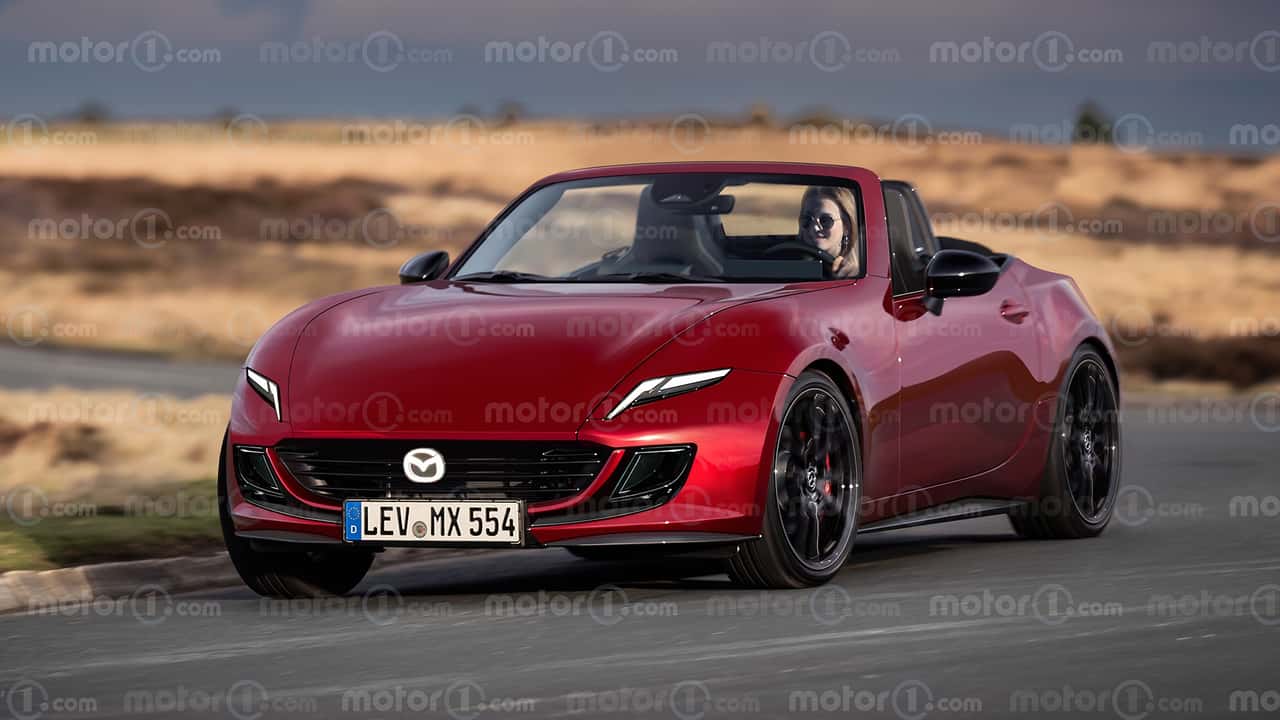
Can Synthetic fuels be the savior of the sports car? Mazda, for one, seems to think so, and they're putting their money where their mouth is. The winds of change are howling through the automotive industry, largely driven by increasingly stringent emissions regulations from the European Union and elsewhere. We've all seen the electric vehicle revolution in full swing, hybrids popping up on every corner, and frankly, it's a bit bittersweet for those of us who cherish the raw, unfiltered experience of a true sports car.
Synthetic Fuel: Last Hope for Sports Cars?! You Wo...
The shift towards electrification, while undoubtedly beneficial for the environment, presents a real conundrum for manufacturers of lightweight, driver-focused machines. Think about it: hybrid systems add weight, often forcing smaller engine displacements. For a car like the Mazda Miata, a car celebrated for its nimble handling and delicate balance, this is practically an existential threat. The idea of a rotary-powered Miata might sound like a romantic throwback, but Mazda is clearly committed to keeping the spirit of the MX-5 alive, and that means finding a way to meet the demands of a greener future without sacrificing the car's soul.
So, how will they pull it off? Well, the new Miata absolutely *must* meet emissions standards. Mazda's design chief has already conceded that "some form of electrification" is unavoidable. A mild hybrid system feels like the most logical choice, but interestingly, it seems to be the option they're least enthusiastic about. This is where things get interesting. Christian Schultze, Mazda Europe's Head of R&D, dropped a tantalizing hint about Synthetic fuels.
Schultze believes that an internal combustion engine running on synthetic fuel could be the Miata's golden ticket, allowing it to maintain a weight profile that preserves its playful, engaging driving character. The idea is that if the fuel itself is carbon-neutral, the engine's emissions become significantly less of a concern. It's a compelling argument, but here's the rub: neither Europe, nor frankly the rest of the world, has established a widespread, readily accessible carbon-neutral fuel infrastructure. So, for now, it's largely wishful thinking, however grounded in solid engineering.
Honestly, Schultze has a point. Right now, synthetic fuels appear to be the only plausible pathway for pure sports cars to navigate regulations and avoid compromising their fundamental character. Even giants like Porsche are investing heavily in e-fuel initiatives. But if you ask me, the synthetic fuel infrastructure is still a long shot, at least in the short term. Therefore, I suspect we'll see a more conventional setup in the next-generation Miata. Rumor had it that a larger 2.5-liter Skyactiv-Z engine was in the running, but that seems to have been shelved due to concerns about upsetting the Miata's delicate dynamics. We'll just have to wait and see how Mazda manages to thread this particularly challenging needle.
Comments
Please sign in with Google to post a comment
No comments yet. Be the first to comment!