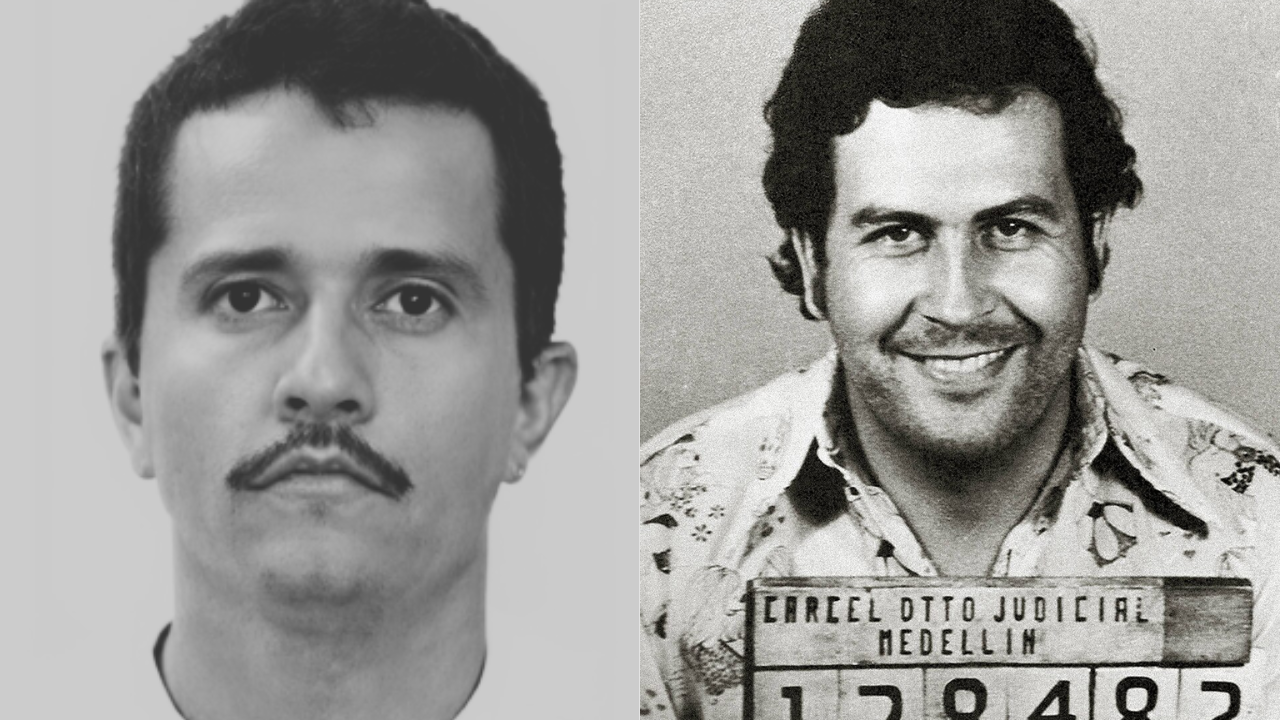
Mexico's drug war is a relentless and brutal affair, a constant churn of power struggles fueled by unimaginable wealth and terrifying violence. The echoes of Pablo Escobar's reign in Medellín still reverberate, his blueprint of drug empire building – wealth, violence, and a cult of personality – serving as a twisted inspiration for the cartels that now hold sway over vast swathes of Mexico.
Mexico Cartel Power Struggle: Sinaloa vs. CJNG - W...
But it's not simply imitation; the Mexican cartels have refined and weaponized the model. What began as relatively simple trafficking routes has morphed into a multi-generational saga of betrayal, corruption, and what some might call "narco-terrorism." Understanding the present requires grasping the history: the rise and fall of these criminal dynasties, the aging "federations," the special forces defectors, and the new breed of hyper-aggressive titans battling for supremacy.
The numbers are staggering. Thousands die each year as cartels fight tooth and nail for territory and influence. These groups aren't just drug dealers; they're shadow governments, controlling vast regions, corrupting political systems, and orchestrating assassinations and kidnappings with chilling efficiency. The impact on global supply routes, public health, and security is undeniable.
While many groups operate out of specific state strongholds, analysts generally agree that the Sinaloa Cartel and the Jalisco New Generation Cartel (CJNG) are the top dogs right now. Older organizations, like the Gulf Cartel and Los Zetas, while still dangerous, have seen their power wane, creating a vacuum that these two giants are aggressively filling. It's a constantly shifting landscape, with alliances forming and dissolving with alarming speed.
The Sinaloa Cartel, emerging from the remnants of the Guadalajara Cartel in the late 1980s, rapidly became a global force. By 2016, estimates put their control of Mexico's drug trade at a staggering 40 to 60 percent, dominating much of the northwest of the country. And for years, the name most associated with the cartel was Joaquin "El Chapo" Guzmán. He wasn't just a drug lord; he was a figure who, at one point, was ranked among the wealthiest people on the planet.
Under El Chapo’s leadership, the Sinaloa Cartel gained a chilling reputation for brutality. They routinely outmaneuvered and outfought rival groups, consolidating their power through extreme violence and sophisticated logistical networks. His capture and subsequent extradition to the US dealt a blow to the organization, but it certainly did not dismantle it. The cartel is still alive, still powerful, and still a major player in the drug trade.
Comments
Please sign in with Google to post a comment
No comments yet. Be the first to comment!