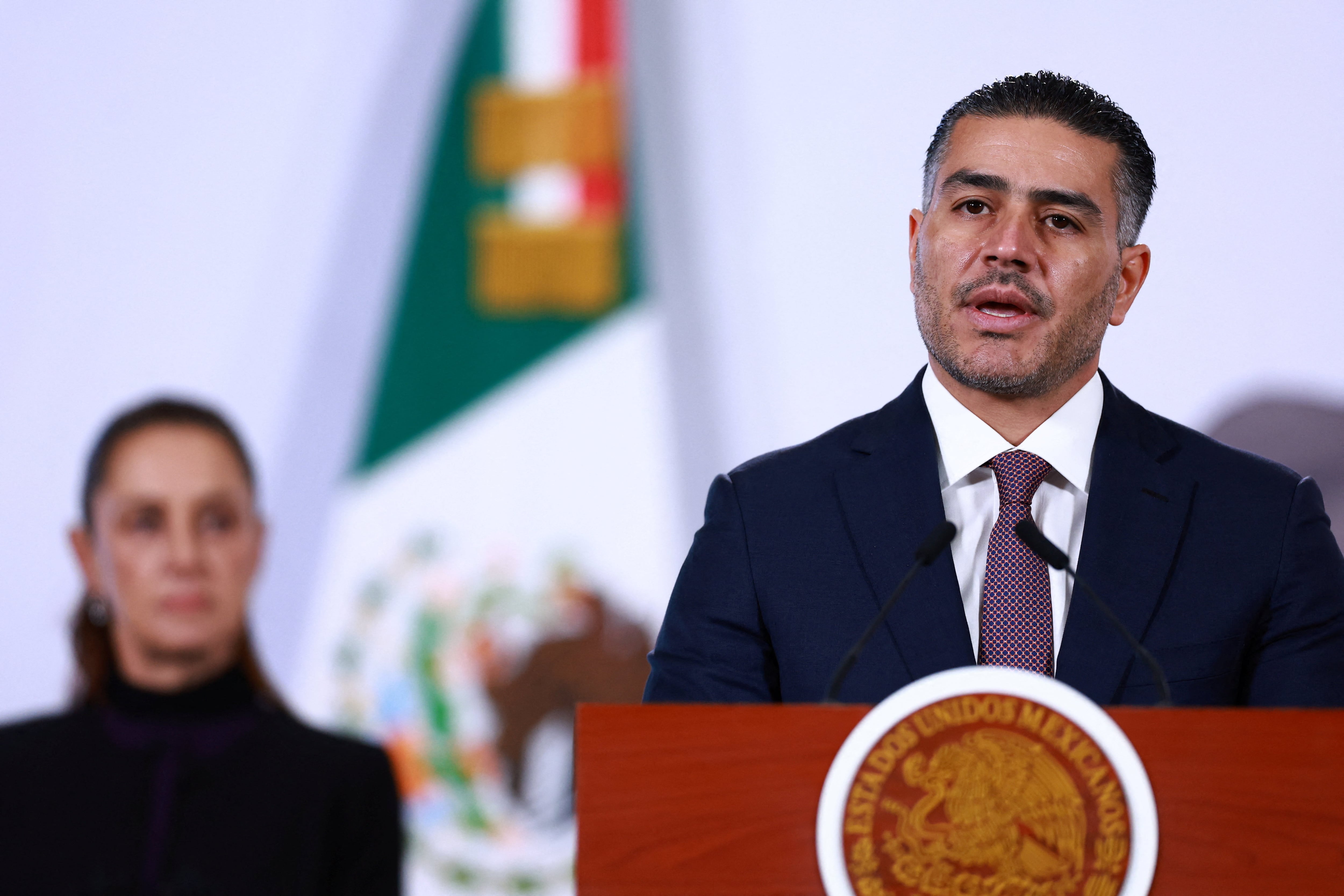
Mexican authorities have managed to restore order after a tumultuous few days following the reported death of Nemesio Oseguera Cervantes, more infamously known as "El Mencho," the leader of the Jalisco New Generation Cartel (CJNG). Security forces announced they've cleared affected areas, but the aftermath paints a grim picture of the cartel's power and reach, even in death.
Mexico on Edge: Cartel Fury Erupts After 'El Mench...
The operation that supposedly took down El Mencho on Sunday unleashed a wave of violence, according to Security Secretary Harfuch. He described 27 attacks against authorities in Jalisco as "cowardly," and the toll is staggering: 25 National Guard members, a security guard, an employee of the Attorney General's Office, and one unfortunate civilian woman lost their lives. Authorities claim to have killed 30 cartel members in the clashes, but the imbalance of casualties speaks volumes.
The chaos wasn't confined to Jalisco. Neighboring Michoacán saw 13 separate clashes, resulting in the deaths of four criminals and injuries to 15 military personnel. It's a stark reminder of how deeply entrenched the CJNG is in these regions, and how difficult it is to eradicate them, even with what seems like a significant victory.
"We call on the population to remain calm, to trust their institutions, and to rest assured that the Mexican government is working with all its capabilities to restore peace and protect the population," Secretary Harfuch stated, attempting to reassure a public undoubtedly shaken by the cartel's swift and brutal response. He also highlighted the potential weakening of the CJNG, allegedly responsible for a laundry list of heinous crimes including homicides, human trafficking, extortion, kidnappings, and armed attacks on authorities.
The cartel's reaction, as anticipated, involved widespread traffic chaos, a tactic we've seen before. It's eerily reminiscent of the Sinaloa Cartel's response to attempts to capture Joaquín "El Chapo" Guzmán's son, Ovidio Guzmán, remember the "Culiacanazo"? These cartels seem to follow a similar playbook: sow fear and disruption to demonstrate power and deter further action. I’ve covered similar events in the past, and the level of disruption is always shocking to witness firsthand, even from afar.
This operation against El Mencho is undoubtedly the most significant blow against drug trafficking under the current administration, which has actively distanced itself from the "hugs, not bullets" approach of its predecessor. Major arrests and drug seizures have become almost commonplace under this six-year term. It's a clear shift in strategy.
While U.S. intelligence played a collaborative role, with strengthened communication between the two countries, the Mexican president has been quick to emphasize that there was no U.S. military involvement. That’s a crucial point, given the sensitivities surrounding sovereignty and foreign intervention.
El Mencho’s rise to power was a long time coming. He had been on the state's radar since the 1990s, starting his career in the Milenio Cartel. By 2010, he had consolidated the CJNG, taking control in 2012 and expanding its reach to nearly 40 countries. The U.S. added him to their list of most wanted fugitives in 2016, and offered a $15 million reward for information leading to his capture two years ago. Whether his death truly dismantles the CJNG remains to be seen. The organization's deep roots and international reach mean the fight is far from over.
Comments
Please sign in with Google to post a comment
No comments yet. Be the first to comment!