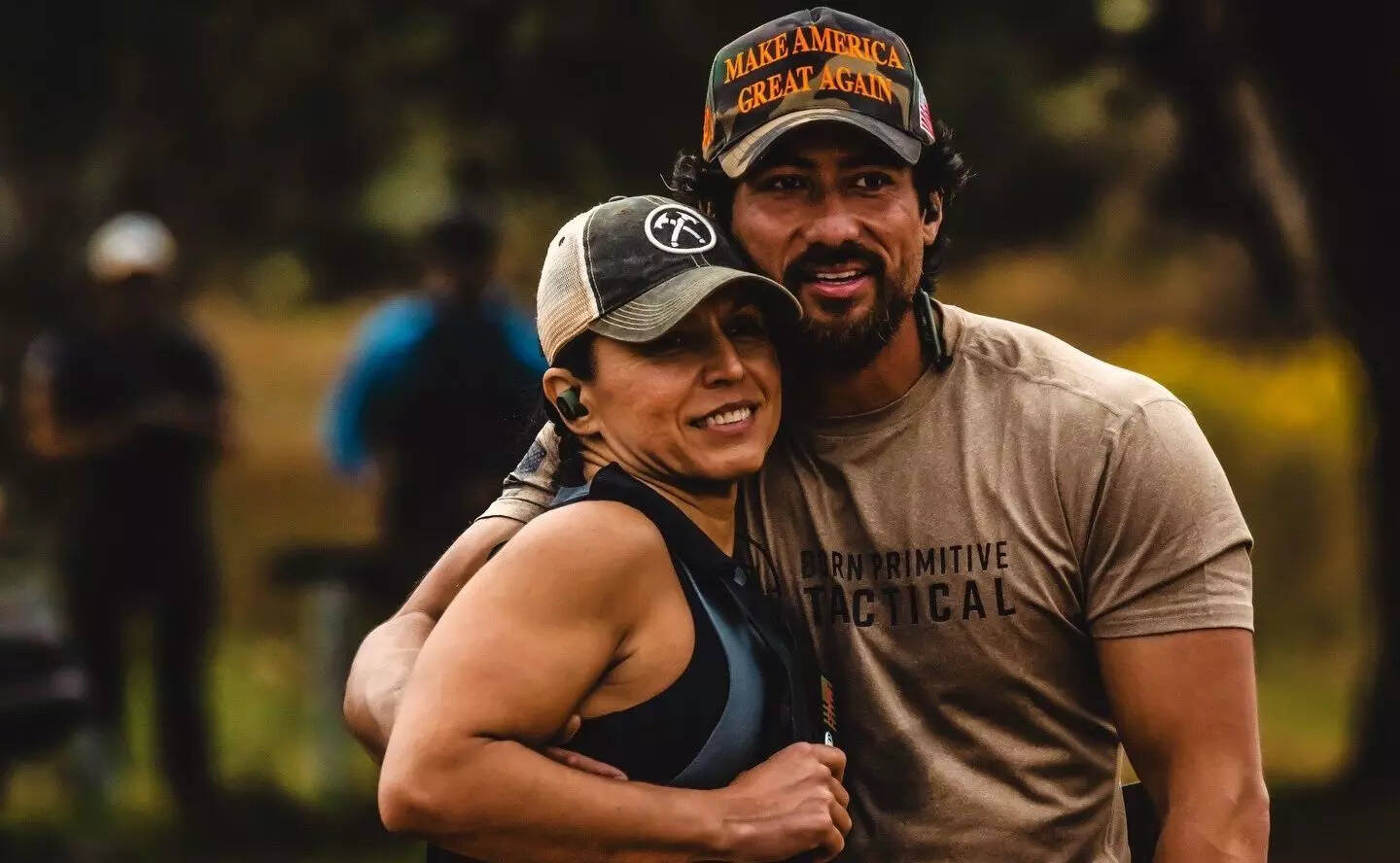
Tulsi Gabbard's birthday message to her husband, Abraham Williams, resonated less as a routine social media post and more as a private vow briefly unveiled to the world. "Happy birthday to my one and only," she wrote, adding a line with the quiet cadence of a promise: "Over and over again, I do." It’s a simple sentiment, really, but in the context of modern political marriages, it felt… refreshing.
Tulsi's Secret Weapon? The Husband Turning Heads i...
The tone was undeniably intimate, and entirely characteristic of their relatively low-profile relationship. In a world where political partnerships are often meticulously manicured for public consumption, Williams’s near-total absence from the political limelight is striking.
The reaction to that birthday post underscored the unusual nature of their pairing. One user responded with a blend of admiration and playful envy: "Two good looking, smart, gorgeous people. I hate you." A lighthearted comment, perhaps, but one that reflects a wider public sentiment. Their marriage appears remarkably normal in a world where political relationships often seem curated, strategic, and transactional. It’s not that other political couples aren’t genuine – I'm sure many are – but there's an undeniable pressure to perform a certain role, to project a particular image. That seems distinctly absent here.
Williams, a Hawai‘i-based cinematographer and video producer, has kept his professional life firmly outside the political sphere. His work centers on filmmaking and media production, not policy or public life. That's pretty rare in Washington. It was through this work that he met Gabbard around 2012, hired as a photographer and videographer during her congressional campaign. Their relationship didn't blossom in elite political circles or donor networks, but grew quietly from a workplace connection. Think about that for a second – a love story that began with a job!
They married in April 2015 in Hawai‘i, in a traditional Vedic Hindu ceremony, reflecting Gabbard’s spiritual practices and religious identity. The wedding itself was private and culturally rich. And that, I think, sums up their relationship perfectly: private, authentic, and deeply personal. It's a contrast to the often-hyper-public existence of many political couples, and perhaps that's precisely why it feels so unique.
Comments
Please sign in with Google to post a comment
No comments yet. Be the first to comment!