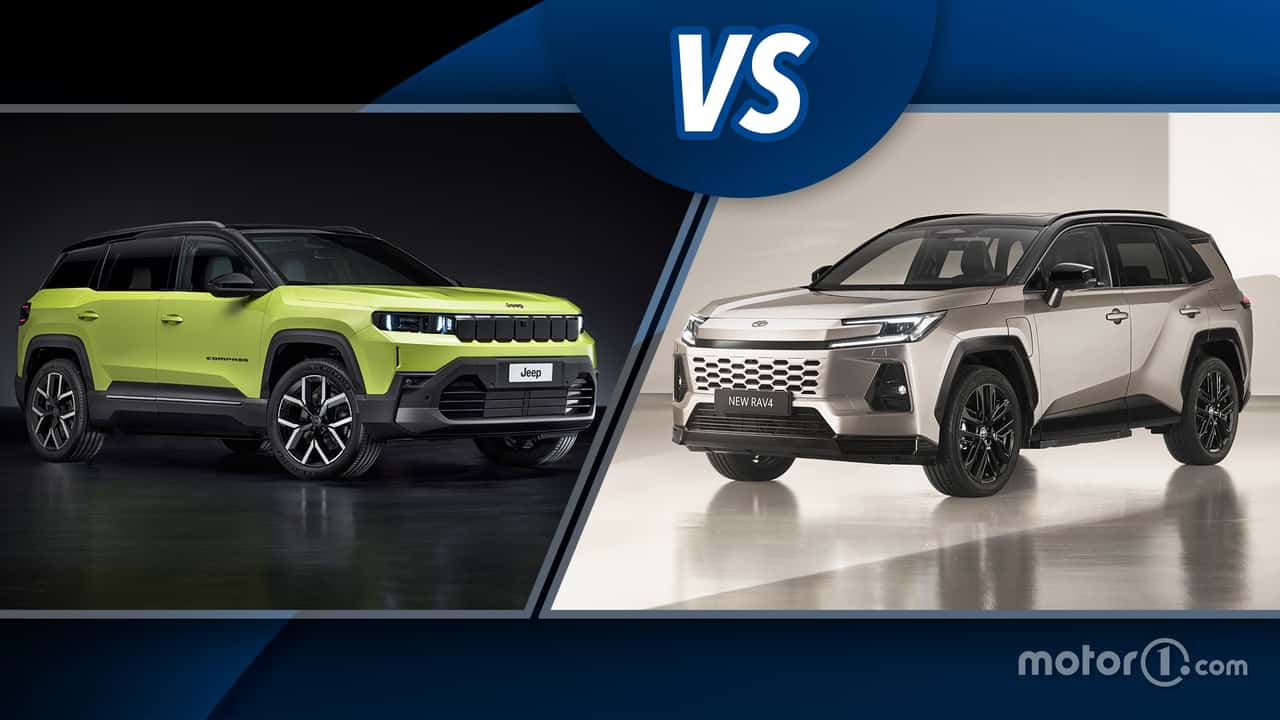
The European C-SUV market is a crowded place, but two contenders consistently rise to the top: the Jeep Compass and the Toyota RAV4. Both offer ample space, a good dose of technology, and are increasingly embracing electrification. But peel back the surface, and you'll find two very different engineering philosophies at play. It's a fascinating contrast, and choosing between them really comes down to your personal priorities.
Jeep Compass vs. Toyota RAV4: The SHOCKING Winner ...
Essentially, both target the same buyer: someone who needs space, wants modern technology, and appreciates versatility. However, the Compass leans towards a more adventurous and, dare I say, stylish persona. The RAV4, on the other hand, takes a more practical, almost stoic approach. It’s the difference between choosing hiking boots and comfortable walking shoes.
Jeep hasn’t messed with the Compass’s core identity, and that's smart. The design remains sharp and angular, emphasizing its rugged off-road heritage. Think wide fenders, underbody protection, and that hint of extra ground clearance. It's a handsome vehicle, no doubt. It's grown slightly, now measuring 4.55 meters long, 1.93 meters wide, and 1.67 meters high, with a 2.77-meter wheelbase. The iconic seven-slot grille remains front and center, flanked by those distinctive LED headlights. The rear gets a signature "C" shaped light design.
Toyota's RAV4 has also embraced a bolder aesthetic. The sixth-generation model clocks in at around 4.60 meters (or 4.65 meters in the GR Sport version, which throws in some sporty accents). It boasts sharp lines and a confident front end, echoing design cues from other recent Toyotas like the C-HR and Prius. While modern, it still manages to retain a connection to its predecessors, which is a nice touch.
Inside, the Compass has undergone a significant transformation. The focal point is that massive 16-inch central screen, which manages a whole host of functions. Thankfully, Jeep has retained physical buttons for essential controls. Material quality feels premium, and there's a noticeable improvement in rear passenger space. Luggage capacity is a respectable 550 liters, expanding to 1,561 liters with the 40-20-40 split-folding rear seats down. It's a genuinely pleasant and practical space.
Toyota has opted for a more traditional, yet incredibly functional interior layout. The dashboard features a horizontal design, with a 12.9-inch central screen and a 12.3-inch digital instrument panel. Again, they've wisely kept physical buttons for climate control. Material quality is decent, and the rear seats are particularly spacious. Luggage capacity starts at 514 liters, but you can slide the rear seat forward to increase that to a generous 749 liters. That sliding seat is a real boon for usability.
The new Compass has ditched diesel engines altogether, embracing a fully electrified future. The entry-level model is a 145 hp 1.2-liter mild hybrid. Above that sits a 195 hp plug-in hybrid, offering up to 83 km of electric range. And then there are the all-electric options: 213, 231, and a powerful 375 hp variant. That top-tier version comes with all-wheel drive and boasts a claimed range of 650 km. That's a serious contender for the EV crown.
Comments
Please sign in with Google to post a comment
No comments yet. Be the first to comment!