The ancient bone found in Spain that may prove Hannibal was here
Hannibal's Ghost? Ancient Bone Discovery Shocks Sp...
By Dora Urbancsek • Published: February 22, 2026 • 6:13 PM • 2-minute read
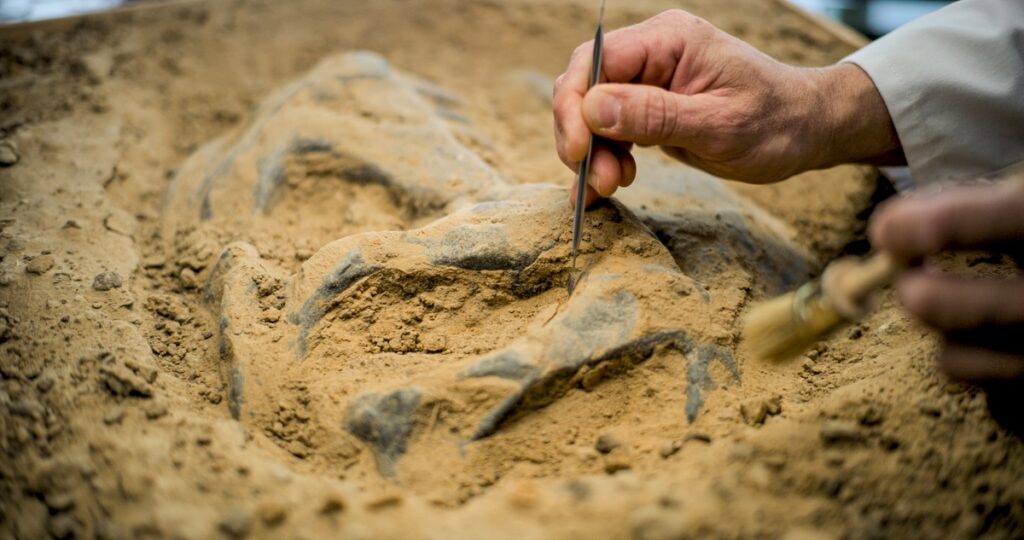
A small elephant bone unearthed in Córdoba and recently confirmed by scientists may provide the first tangible evidence of Hannibal’s legendary war elephants in Spain. Think about it: centuries of stories, and now, a possible piece of the puzzle right beneath our feet.
The fragment, dating back approximately 2,200 years, was discovered at the Colina de los Quemados archaeological site in Córdoba, an area historically linked to conflicts between Carthage and Rome. This is quite a find, considering the bone was found at an ancient battlefield site associated with the Second Punic War, a period when Carthaginian forces traversed Iberia prior to Hannibal's renowned Alpine campaign.
The bone, roughly the size of a baseball, originates from the forefoot of an elephant. Radiocarbon analysis places it squarely in the 4th to 3rd century BCE, perfectly aligning with the Second Punic War era, when Hannibal led Carthaginian forces through Iberia before his fateful invasion of Italy. It’s amazing how science can pinpoint these things with such accuracy, isn’t it?
But here's what makes this find so compelling: its context. The bone wasn't just lying around; it was discovered alongside catapult ammunition, ancient coins, and signs of destruction. This strongly suggests a battlefield origin rather than a later-era curiosity or trade item. It paints a vivid picture of the conflict.
Hannibal’s elephants remain an iconic image of ancient warfare. We've all heard the tales of their use in intimidating Roman troops and gaining tactical advantages, most notably during that incredible Alpine crossing. But until now, physical evidence has been scarce. Our knowledge has primarily been derived from classical texts, artwork, and coins, rather than actual skeletal remains. That's what makes this Córdoba discovery so important.
Researchers are understandably excited, believing this could be the first concrete archaeological trace of Carthaginian war elephants in Western Europe. While scientists are cautious about drawing definitive conclusions – they emphasize that a direct link to the Alpine crossing elephants cannot be definitively established – the discovery certainly strengthens the argument for elephant deployment in Iberian campaigns. We're talking about a potential game-changer for our understanding of ancient warfare.
For Spanish readers, and as someone who calls Spain home, this discovery underscores the significance of the peninsula in Hannibal's story, predating the Alpine crossing that often overshadows this period. Although the bone was excavated years ago, the detailed scientific study confirming its age and significance was only recently published, garnering renewed international attention. It's a reminder that history is constantly being re-examined and re-written.
Even without the direct Hannibal connection, the bone serves as a potent reminder of Spain's rich historical underpinnings. Archaeological finds are relatively common, but connections to figures like Hannibal? Those are rare and special. Ultimately, the discovery also highlights Spain's direct role in shaping European history, long before events shifted north to the Alps. A little piece of bone, a giant piece of history.
Dora Urbancsek is an SEO writer with over eight years of experience producing high-quality, search-optimised journalism and digital content. Based in Spain for more than five years, she covers a wide range of topics concerning Spain and Europe, including current affairs, community stories, cult...
Comments
Please sign in with Google to post a comment
No comments yet. Be the first to comment!