The Supreme Court's smackdown of President Trump's tariff policies, delivered just yesterday, might sound like a victory for global trade. But don't break out the champagne just yet. While the ruling throws a wrench into his economic arsenal, analysts are warning that it's unlikely to offer any significant, lasting relief for the world economy. In fact, it could trigger a whole new round of disruptions as the former President scrambles to find alternative ways to exert trade pressure.
Trump Tariff Ruling: Is This the End of the Trade ...
Think about it: what happens next? We're talking about a potential tidal wave of uncertainty here. What new tariffs will Trump try to implement? Will companies who paid those now-illegal levies actually get refunds, and if so, how long will that take? And what about those countries that already have bilateral deals with the US? Are they going to want to renegotiate those agreements now that the rug has essentially been pulled out from under them? It’s a massive can of worms.
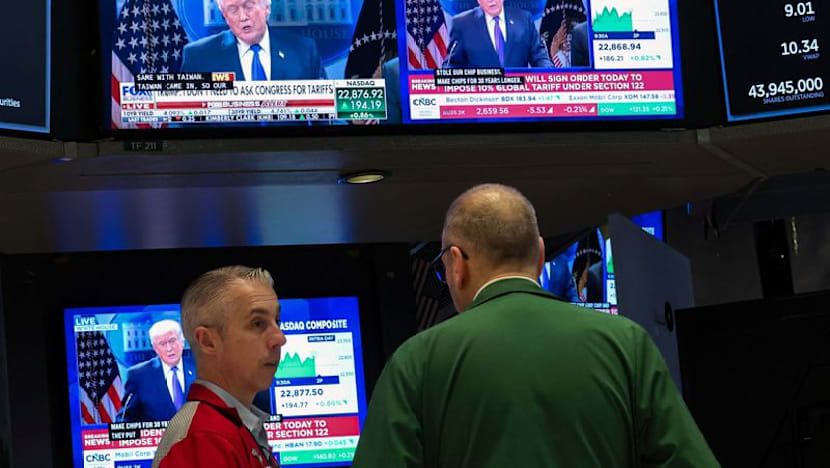
Trump himself, predictably, isn't backing down. He's already announced a new, blanket 10 percent tariff for the next 150 days, while also vaguely acknowledging the refund issue. Varg Folkman, an analyst at the European Policy Centre, put it bluntly: "In general, I think it will just bring in a new period of high uncertainty in world trade, as everybody tries to figure out what the US tariff policy will be going forward. In the end it's going to look pretty much the same." Sounds about right.
Economists at ING bank echoed that sentiment. "The scaffolding has come down, but the building remains under construction. No matter how today's ruling reads, tariffs are here to stay." This ruling, you see, only addresses tariffs enacted under the International Emergency Economic Powers Act (IEEPA) – that's the one meant for actual national emergencies. These tariffs, by the way, racked up over $175 billion. Global Trade Alert estimates that the ruling will nearly halve the trade-weighted average US tariff, dropping it from 15.4 percent to 8.3 percent. Sounds great, right? Except… it's almost certainly temporary.
The Trump administration has already hinted that it's exploring other legal avenues to reimpose tariffs. And, as mentioned before, countries with existing bilateral agreements – agreements designed to manage tariffs and, in some cases, even involve investing in the US – are now likely to reassess their positions. Bernd Lange, chair of the trade committee of the European Parliament, says lawmakers will be ratifying the EU’s pact with the US as early as Monday. "The era of unlimited, arbitrary tariffs ... might now be coming to an end," he said. He added, "We must now carefully evaluate the ruling and its consequences." Fair enough.
Even the British government is chiming in, stating that they expect their privileged trading position with the US to continue, referencing the baseline 10 percent tariff they’d already agreed upon with Washington. The message is clear: everyone is bracing for more turbulence. So, while the Supreme Court decision might feel like a win, the global economy remains firmly in the grip of trade uncertainty. Buckle up.
Comments
Please sign in with Google to post a comment
No comments yet. Be the first to comment!