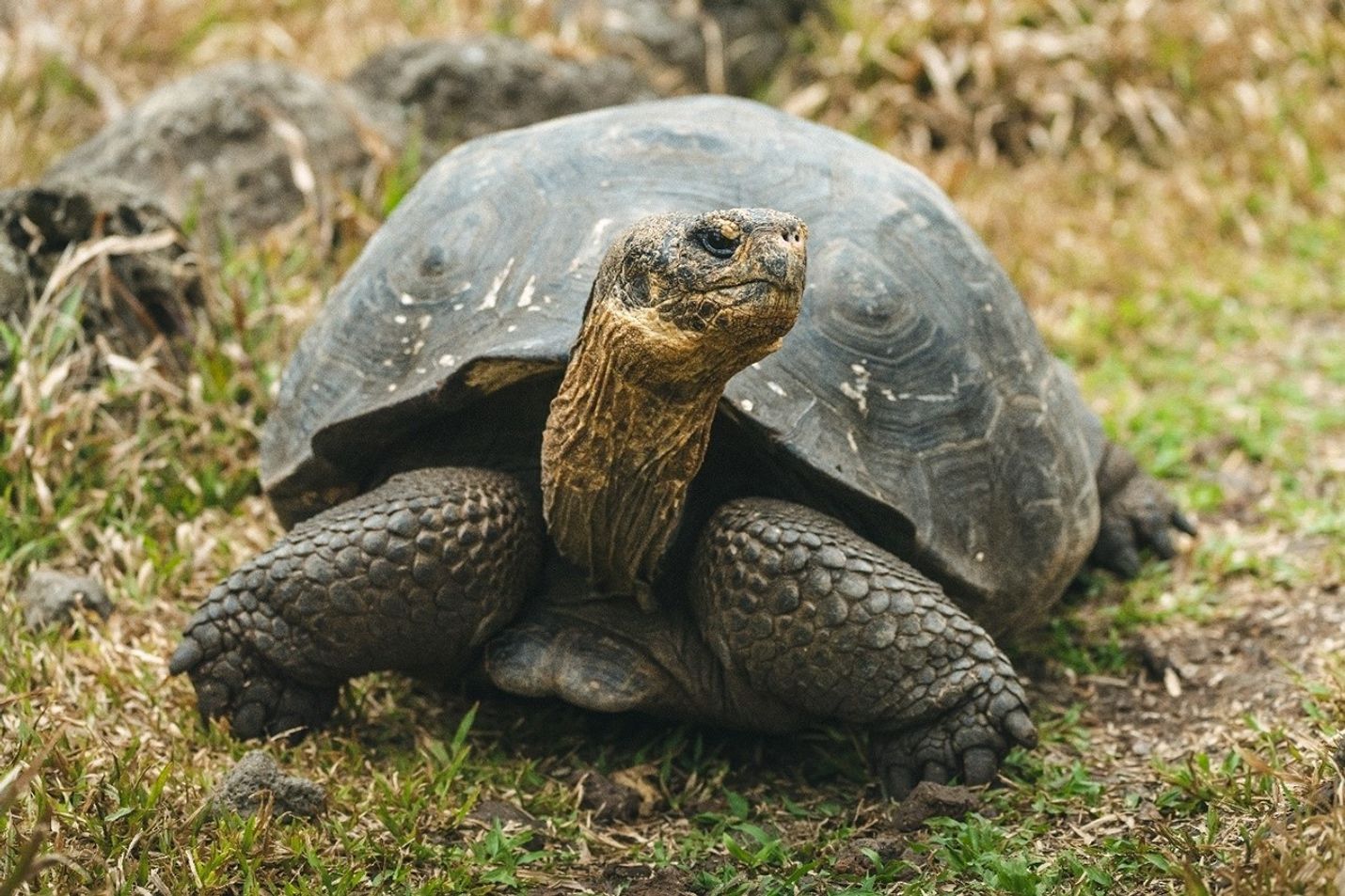
Floreana Island in the Galápagos Islands hasn't seen a giant tortoise lumber across its volcanic landscape in nearly 150 years. But that's all changed. In a landmark conservation effort, these gentle giants are finally making their comeback, thanks to an unlikely ally: NASA.
Galapagos Tortoise Rescue: NASA's Secret Weapon?! ...
The Galápagos National Park Directorate and the Galápagos Conservancy have teamed up to bring these ecologically vital creatures back to their ancestral home. The absence of tortoises, driven by 19th-century whaling crews and invasive species, had a domino effect on the island's ecosystem. Tortoises act as natural landscapers, shaping vegetation, dispersing seeds, and creating pathways that benefit other species. Their return is about more than just numbers; it's about restoring a delicate balance.
"This is exactly the kind of project where NASA Earth observations make a difference," explains Keith Gaddis, manager for NASA Earth Action’s Biological Diversity and Ecological Forecasting program. He added, "We’re helping partners answer a practical question: Where will these animals have the best chance to survive — not just today, but decades from now?" It's a great example of how space technology can have a real-world impact on conservation, something that always gives me a bit of hope for the future.
The actual reintroduction took place on February 20th, with 158 tortoises released at two carefully chosen locations. The areas were picked using NASA satellite data, which helped identify places where the tortoises would have the best access to food, water, and suitable nesting areas. It's a far cry from the hit-or-miss reintroduction efforts of the past.
What's particularly fascinating is that this whole initiative was sparked by a bit of a scientific mystery. Back in 2000, researchers discovered unusual tortoises on Isabela Island's Wolf Volcano. Genetic analysis revealed that these tortoises were descendants of the long-lost Floreana tortoises. It's theorized that whalers, known for transporting tortoises between islands for food, were responsible for this accidental relocation over a century ago. That discovery led to a breeding program that's now bearing fruit, or rather, tortoises.
The Galápagos National Park Directorate has been diligently working to reintroduce tortoises across the archipelago for the last 60 years, releasing over 10,000 animals. But the NASA data adds a new level of precision. Satellite imagery is used to map environmental conditions, track changes in vegetation, moisture, and temperature, allowing scientists to pinpoint the most promising habitats. This information is then integrated into a decision-making tool, combining satellite data with on-the-ground observations of tortoise behavior. It's a blend of high-tech and good old-fashioned field work that's proving to be incredibly effective.
Comments
Please sign in with Google to post a comment
No comments yet. Be the first to comment!