Lent and Ramadan began at the same time this year. What do they have in common?
Lent & Ramadan Clash! What Does This Rare Overlap ...
This year, something rather remarkable is happening. Two of the world’s most significant religious observances, Ramadan and Lent, are unfolding concurrently. Ramadan, the Islamic holy month of fasting and spiritual reflection, and Lent, the Christian period of penitence leading up to Easter, are beginning almost simultaneously. This rare overlap is sparking conversations and observations worldwide, especially here in Spain.
While these traditions stem from distinct faiths, they actually share some surprisingly common ground. The emphasis on fasting and introspection is particularly noteworthy. Due to their shifting lunar and solar calendars, these periods occasionally coincide, creating a unique moment where millions of Muslims and Christians are observing parallel traditions. I find it fascinating to see how different cultures, in their own way, arrive at similar practices for self-improvement and spiritual growth.
At their core, both Ramadan and Lent highlight the importance of restraint and spiritual growth. During Ramadan, observant Muslims abstain from food and drink from dawn until sunset, focusing instead on prayer, charity, and strengthening community bonds. Lent, similarly, encourages Christians to fast or abstain from certain luxuries, dedicate more time to prayer, and practice acts of charity. Both traditions really encourage believers to reassess their priorities, deepen their faith, and live more deliberately through acts of generosity and self-discipline.
Of course, the daily practices differ quite a bit. During Ramadan, the fast is absolute during daylight hours – even water is forbidden. Meals are typically eaten before sunrise (suhoor) and after sunset (iftar), with evenings often dedicated to family gatherings and communal feasting. Think delicious dates, fragrant rice dishes, and pastries galore! Once the sun dips below the horizon, there are generally no dietary restrictions, and traditional dishes and sweets become central to nightly celebrations. It's a time of intense devotion balanced with joyful togetherness.
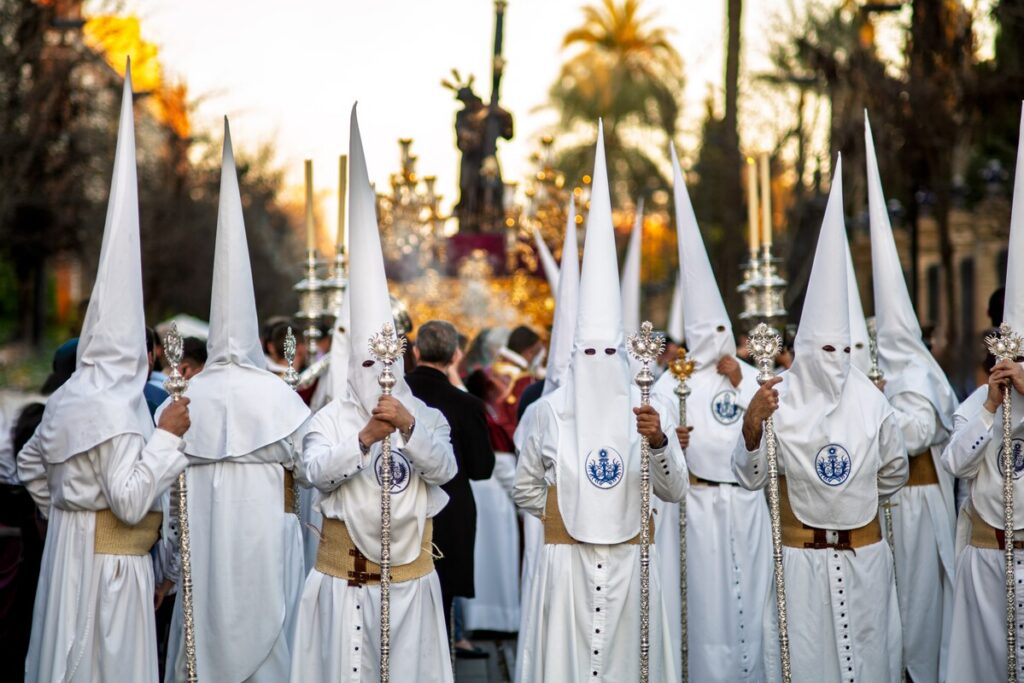
The conclusion of each period also reflects distinct cultural and religious traditions. Ramadan culminates with Eid al-Fitr, a joyous celebration marked by elaborate meals, new clothes, and communal prayers. It’s a really vibrant and festive occasion. Lent, on the other hand, concludes with Easter, a cornerstone of the Christian calendar. Here in Spain, it's observed with religious services and the stunning Semana Santa processions that draw visitors from all over the globe. I’ve witnessed these processions myself, and they are truly a sight to behold – a powerful display of faith and tradition.
Granada is a prime example of the beautiful blend of traditions we see in Spain, where mosques and Catholic landmarks coexist within the same urban landscape. In Mallorca and other Mediterranean areas, interfaith events and community gatherings are becoming increasingly common, reflecting Spain’s evolving multicultural identity. It's heartening to see communities coming together to appreciate and understand each other's faiths.
When Ramadan and Lent coincide, their shared values become all the more apparent. Both periods encourage reflection, a slower pace of life, and increased time with family and community, even if the specific traditions themselves diverge. Perhaps this rare overlap can serve as a reminder of the common threads that connect us all, regardless of our beliefs.
By Dora Urbancsek • Published: 20 Feb 2026 • 20:09 • 3 minutes read
Comments
Please sign in with Google to post a comment
No comments yet. Be the first to comment!