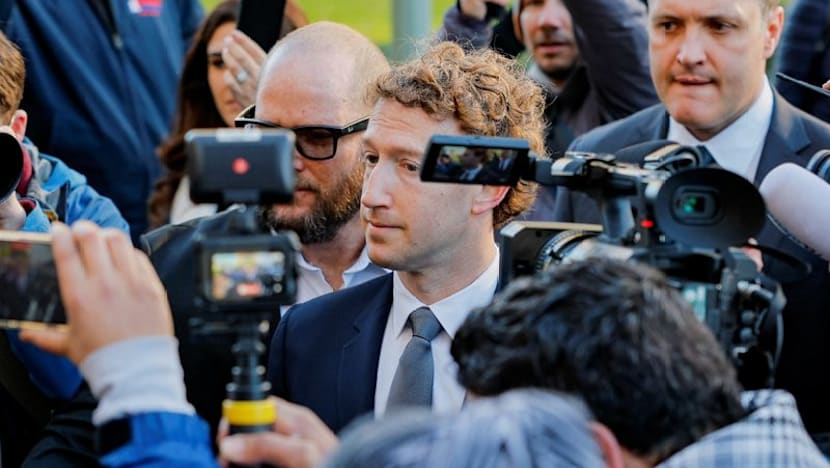
Alright folks, buckle up, because Mark Zuckerberg is heading to court. And this isn't just another congressional grilling; this is a full-blown trial, with real stakes on the line, centered around the alleged addictive nature of Instagram and its impact on the mental health of young people. It's a case that could change everything for Meta and, frankly, the entire Social Media landscape.
Zuckerberg GRILLS! Meta CEO's Testimony SHOCKS in ...
Zuckerberg's testimony in Los Angeles is a big deal. I mean, we've seen him navigate Capitol Hill before, but this is different. A jury will be weighing evidence, and a loss for Meta here could mean serious financial damages. More importantly, it could erode that precious legal shield that has, for years, protected Big Tech from being held responsible for the harm users experience on their platforms. This trial is a game changer.
And it's happening at a time when global pressure on Social Media giants is only intensifying. Look at Australia – they've already banned social media for kids under 16. Spain is thinking about doing the same. Even here in the US, Florida has taken a hard line, prohibiting companies from allowing users under 14. Of course, the tech industry isn't taking it lying down – they're challenging the Florida law in court, because well, money talks.
Meta and Google, predictably, are pushing back hard on these allegations. They're quick to point out the safety features they've implemented, the parental controls, the resources they offer. Meta loves to cite this National Academies of Sciences study that claims research hasn't definitively proven a causal link between social media and mental health issues in kids. It's all about plausible deniability, isn't it?
But let's be clear: this trial is just the tip of the iceberg. Thousands of lawsuits – filed by families, school districts, even entire states – are piling up against Meta, Google's Alphabet, Snap, and TikTok. They're all accused of contributing to what many see as a full-blown youth mental health crisis. I've been following this issue for years, and the stories from families are heartbreaking.
Interestingly, Meta's legal team is trying a different tack in this particular case. They're arguing that the plaintiff's mental health struggles are rooted in a tough childhood and that social media, in fact, provided a creative outlet for her. I suppose it's a valid legal strategy, but it doesn't address the broader concerns about the potential for addiction and the impact of algorithms on young, developing minds. This trial is far from over, and whatever the outcome, it will set a precedent for other similar cases.
Comments
Please sign in with Google to post a comment
No comments yet. Be the first to comment!