Ramadan 2026 Moon Sighting: When Does Fasting Begin Globally and Why Is Crescent Timing Significant?
Ramadan 2026: Moon Sighting Drama! Will Fasting St...
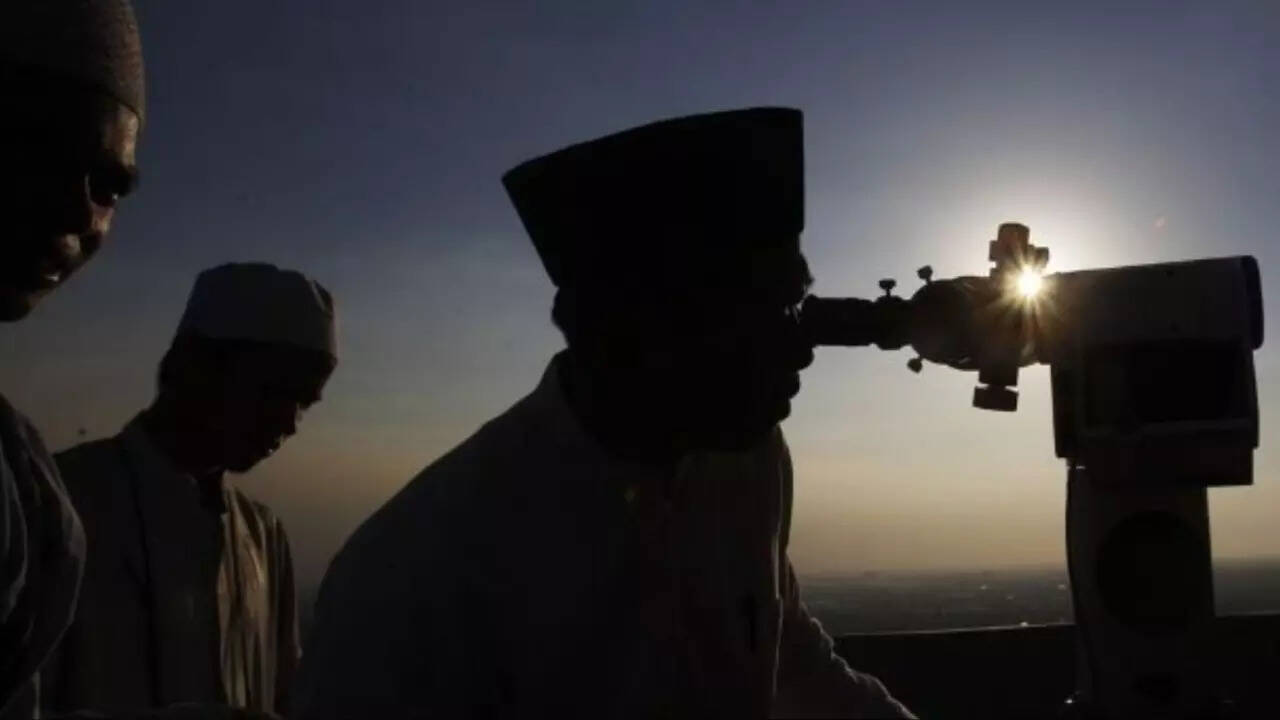
Millions of Muslims globally eagerly await the sighting of the Ramadan crescent moon each year, a moment of profound spiritual, historical, and communal importance. Unlike holidays fixed on the Gregorian calendar, Ramadan adheres to the Islamic lunar calendar, commencing only upon the observation of the new moon (hilal) after sunset on the 29th day of Shaban, the preceding month. This crescent sighting, sometimes visible to the naked eye and confirmed by religious committees, officially marks the start of Ramadan, a month dedicated to fasting, prayer, reflection, and charity.
The practice of moon sighting is deeply rooted in Islamic tradition and scripture, where the crescent's appearance serves as both a temporal marker and a moment of communal anticipation. Muslims gather after sunset, often with family and friends, looking towards the horizon and exchanging "Ramadan Mubarak" greetings upon the first glimpse of the new moon. This act symbolizes not just the beginning of a fast but the commencement of a month of spiritual discipline, increased worship, and empathy. I remember as a child, my family would gather on the roof and the excitement was palpable; it wasn't just about knowing when to start fasting, it was about a shared experience, a connection to a global community.
While astronomical calculations can predict the moon's emergence, the traditional method relies on local visibility at sunset, leading to differing start dates for Ramadan in various countries. For instance, Saudi Arabia and neighboring Gulf states reported sighting the crescent on the evening of February 17, 2026, leading to a Ramadan commencement of Wednesday, February 18. Conversely, many Muslim communities in South Asia, Europe, and North America are awaiting the moon sighting on February 18, with fasting likely to begin on Thursday, February 19th, or even Friday, February 20th, depending on the actual sighting. It's a testament to the blend of tradition and locality within Islam.
Hilal sighting committees in India, Iraq, the US, the UK, Turkey, and Oman are all actively preparing for the crucial observation. These committees, often composed of religious scholars and astronomers, play a vital role in confirming the sighting. They utilize both visual observation and, increasingly, astronomical data to ensure accuracy. Their pronouncements are then disseminated widely, informing Muslim communities when to begin the fast. Honestly, these committees perform a valuable service. Without them, there would be chaos.
The timing of the crescent moon is not just a matter of religious ritual; it's a symbol of unity and shared devotion for Muslims worldwide. As the world becomes increasingly interconnected, the nuances and regional variations in observing such traditions offer a glimpse into the beautiful tapestry of human culture and belief. So, keep your eyes on the skies and your hearts open as Ramadan 2026 approaches. It's a time for reflection, renewal, and community.
Comments
Please sign in with Google to post a comment
No comments yet. Be the first to comment!