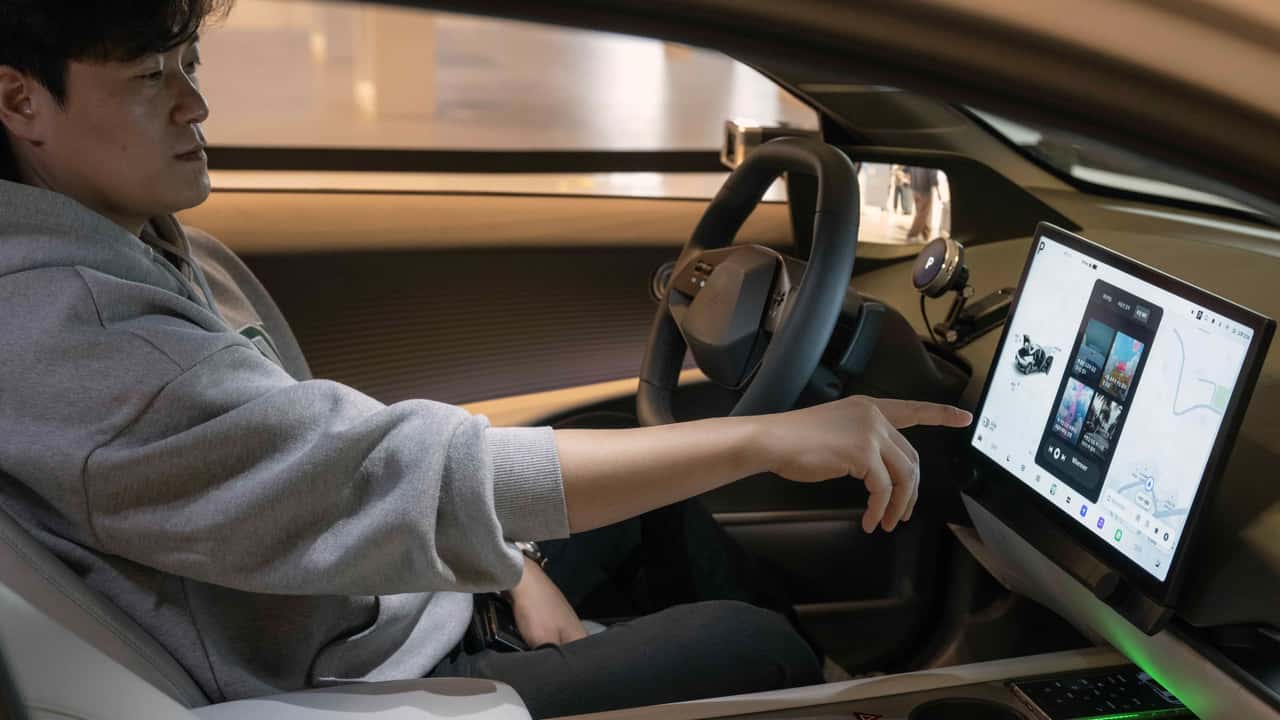
Okay, so picture this: you're cruising down the highway, maybe a little distracted by the scenery, and suddenly you need to hit the hazard lights. Fumbling around on a touchscreen? Not ideal, right? Well, China seems to agree. They're thinking about bringing back the good old physical button, and it could be a game-changer for the auto industry.
China Ditches Touchscreens?! Automakers Stunned by...
China, that powerhouse of EV innovation, is actually considering pulling back on the full-screen, button-less cockpit trend. The Ministry of Industry and Information Technology (MIIT), basically the automotive sheriff in China, has drafted some regulations that would require Physical buttons for vital safety functions. It's a pretty big deal, considering how many Chinese manufacturers have gone all-in on touchscreen everything.
The draft regulation, which is still up for debate until April 13th, specifically mentions things like indicators, hazard lights, gear selection, and emergency calls. These functions, according to the proposed rules, *must* have a physical button or switch, and they can't be teeny-tiny – at least 10x10 millimeters. It’s a pretty clear signal that they're prioritizing safety and ease of use over pure minimalist aesthetics. Think of it as form following function, which is honestly a refreshing change.
For years, we've seen this trend of stripping away physical controls in favor of massive touchscreens, thanks in large part to Tesla. Chinese brands like BYD followed suit, creating these sleek, futuristic interiors. But now, there’s a growing recognition that maybe, just maybe, we went too far. We’ve seen signals from Mercedes, Hyundai, and Volkswagen that they are starting to rethink this approach too. It’s not just China either; safety advocates globally have been raising concerns about the cognitive load of touchscreen-heavy interfaces.
But it's not just about buttons, folks. This regulatory shift also includes tougher standards for Level 3 and Level 4 autonomous driving systems. Basically, if a car is going to drive itself, it needs to be as safe as a cautious human driver. That means manufacturers will have to provide a ton of technical documentation proving their systems can handle both normal driving and emergency situations. They even have to define a "minimum risk condition," which means the car needs to be able to safely stop itself if the system fails or the driver doesn't respond. I guess the robotaxi future is getting a little more real, and a lot more regulated.
And speaking of robotaxis, there are also plans to regulate remote support applications for fully automated vehicles. Which makes sense, right? You can't just unleash a fleet of driverless cars without a way to remotely intervene if something goes wrong. This move by China might be a sign that the whole industry is starting to reassess its approach to in-car technology and autonomous driving. It will be interesting to see how this unfolds and whether this becomes a global trend. I, for one, would be happy to see a few more buttons back in my car. My hazard lights aren’t something I want to scroll through a menu to find.
Comments
Please sign in with Google to post a comment
No comments yet. Be the first to comment!