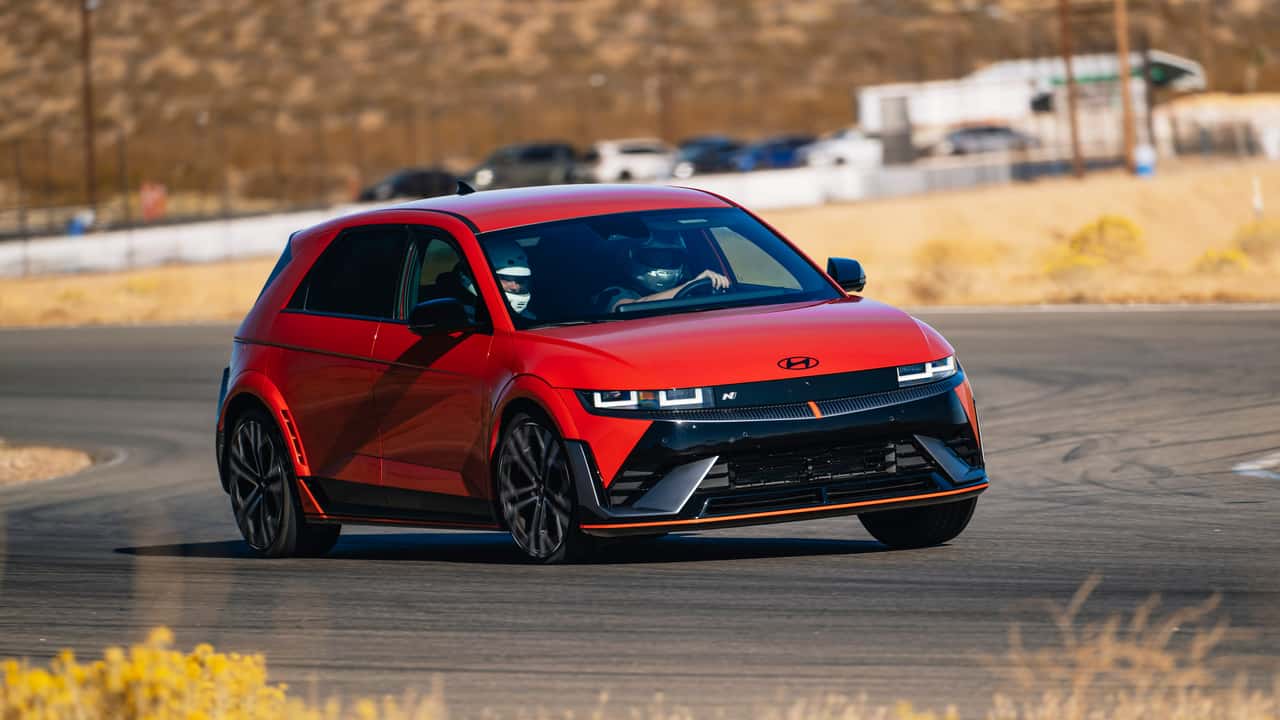
Hyundai is apparently looking to walk a tightrope, folks. For years, the Korean automaker has prided itself on giving each of its models a truly unique identity. Your Santa Fe? It's definitely not just a blown-up Tucson. And that’s been a good thing, attracting a diverse range of buyers who appreciate the individuality.
Hyundai Admits Copycat Designs?! What This Means F...
But change might be afoot. Hyundai seems to be acknowledging that maybe, just maybe, things have swung a *little* too far in the "distinct design" direction. According to recent comments, the company is now actively working on forging a stronger family resemblance across its entire lineup. The goal? A more cohesive brand identity, so you instantly recognize a Hyundai, regardless of the specific model.
Now, before you panic and think we're headed for a "copy-paste" design future, rest assured. Hyundai is fully aware of the potential pitfalls. "We've seen some brands go too far and make mistakes in that regard," a company representative noted. They're not trying to turn every car into a carbon copy, thank goodness! That's a relief; nobody wants an automotive monoculture.
The strategy, it appears, is centered around Chief Designer SangYup Lee's "chess piece" philosophy. Think of it this way: each model in the Hyundai family should be like a different piece on a chessboard. They all belong to the same set, they’re clearly related, but they each have a specific role and distinct character. It's a clever analogy, really.
What does this mean in practice? Well, expect Hyundai's SUVs, like the recently redesigned Santa Fe, to likely stick with their bolder, more angular designs. Meanwhile, the electric Ioniq range (the 5, 6, and the upcoming 9) will probably continue down their smoother, more aerodynamic path. The challenge, as I see it, is to find a common thread – a subtle design cue or element that ties everything together without sacrificing individual character.
Ultimately, Hyundai is aiming for a "family feel that shows they are part of a logical whole." It's a delicate balancing act, to be sure. They want to create a unified brand image without falling into the trap of bland uniformity. Whether they can pull it off remains to be seen. But hey, at least they're thinking about it, right? And recognizing the importance of both individuality and brand identity. Let's see what the future holds.
Comments
Please sign in with Google to post a comment
No comments yet. Be the first to comment!