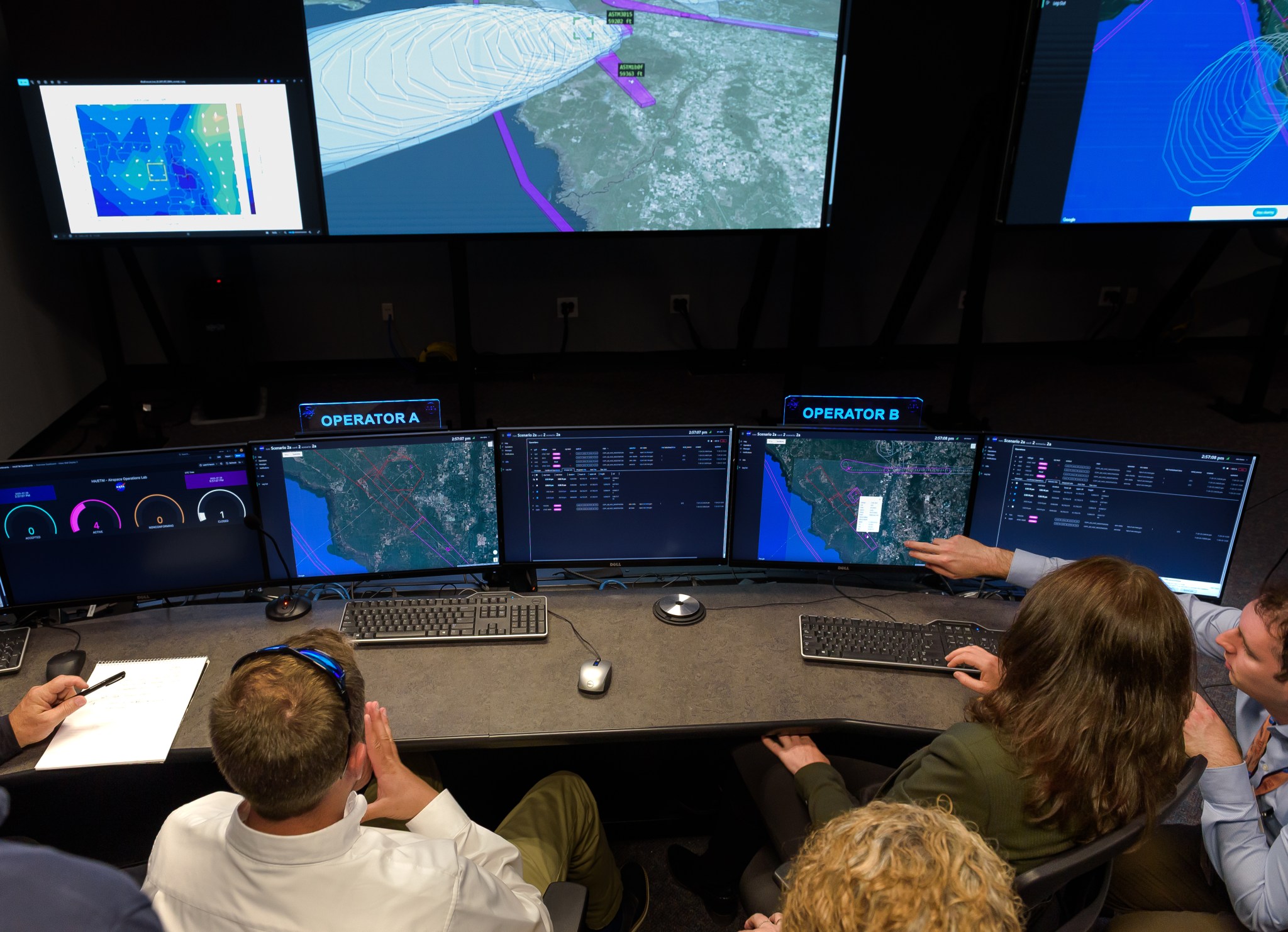
The sky's no longer the limit, apparently. As High-altitude flight becomes more than just a futuristic dream – think internet-beaming balloons and rapid emergency response systems – NASA is stepping up to manage the traffic way up there. Imagine a whole new layer of airspace, above the usual commercial jet routes, bustling with a different kind of aircraft. That's where we're headed, and NASA's developing the "rules of the road," so to speak.
NASA's Air Traffic Breakthrough: Will It Change Fl...
These High-altitude aircraft, cruising at altitudes of 50,000 feet and higher, open up incredible possibilities. We're talking about providing internet access to remote and underserved areas, offering real-time situational awareness during disasters – think wildfires or hurricanes – and a host of other applications we haven't even imagined yet. But to make this a reality, we need a way to safely and efficiently manage this airspace. It's not as simple as just scaling up existing air traffic control systems.
The key to a lot of these applications is "station-keeping" – essentially, keeping an aircraft, like a balloon or airship, in a specific position for extended periods. That requires a dedicated, reliable air traffic management system that's totally separate from what's used for passenger planes. It's a whole new ballgame, and NASA is taking the lead in defining the rules. Think of it like this: they're building the highway system for the stratosphere.
"Current high-altitude air traffic management is manual and piecemeal," explains Jeff Homola, a researcher at NASA's Ames Research Center. That makes sense – this is new territory! Homola continues, "We saw the need for a scalable solution – something multiple operators in a shared airspace can safely rely on. Our system provides shared awareness of the airspace, identifies potential conflicts, enables cooperative conflict resolution, and allows operators to complete missions safely." Sounds like a solid foundation to build on.
NASA is partnering with companies like Aerostar and Sceye, who are already developing and operating these high-altitude aircraft, to test and refine the system. This collaboration is crucial, because it brings real-world operational experience to the table. In a recent simulation, they shared live flight data and telemetry from an Aerostar balloon floating at a dizzying 66,500 feet above South Dakota. Pretty cool stuff.
The simulation wasn't just about tracking a balloon, though. It was about understanding how operators make decisions when flight paths overlap – figuring out the best way to avoid aerial gridlock, basically. NASA’s drawing on decades of experience in air traffic management to make this happen. They've already made huge contributions to reducing fuel consumption and preventing accidents in the National Airspace System. Now, it looks like they're setting their sights a little higher – literally.
Comments
Please sign in with Google to post a comment
No comments yet. Be the first to comment!