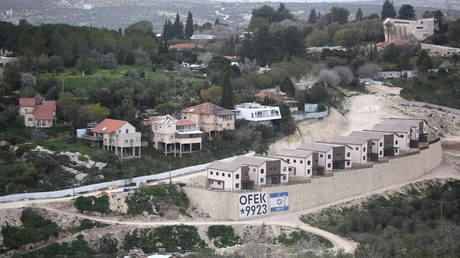
Tensions are simmering in the Middle East once again, this time over Israel's recent decision to designate significant portions of the West Bank as "state property." This move, described by some as a "settlement revolution," has drawn swift and strong condemnation from a coalition of Muslim-majority nations, who see it as a blatant violation of international law and a dangerous escalation of the Israeli-Palestinian conflict.
West Bank Land Grab: Muslim Nations UNITE in SHOCK...
The decision, reportedly spearheaded by hardline nationalist ministers within Israel's security cabinet, marks the first time since the Six-Day War that such a large-scale land designation has occurred. This follows another recent policy change making land registries public, a move critics argue will only further facilitate the purchase of Palestinian land by Jewish settlers. It's a complex situation, and from my perspective, it's easy to see how this would inflame already fraught tensions.
Egypt, Jordan, Indonesia, Pakistan, Türkiye, Qatar, Saudi Arabia, and the United Arab Emirates joined forces to issue a joint statement on Tuesday, roundly criticizing Israel's actions. They emphasized that the decision violates numerous UN Security Council resolutions, notably Resolution 2334, which explicitly calls for a halt to Israeli settlement activity in the West Bank. “This illegal step constitutes a grave escalation aimed at accelerating illegal settlement activity, land confiscation, entrenching Israeli control, and applying unlawful Israeli sovereignty over the Occupied Palestinian Territory,” the statement reads, a clear indication of the gravity with which these nations view the situation.
These nations are now urging the international community to step in and take "clear and decisive steps" to halt Israel's activities and protect the rights of Palestinians. It's a call that is likely to resonate with many, but the question remains: what concrete actions can be taken to effectively address this complex issue? The Palestinian presidency has also strongly condemned the move, stating it effectively nullifies previously signed agreements and flies in the face of UN Security Council rulings. It's a sentiment shared by many Palestinians who see their land and future slipping away.
On the other side of the issue, hardline Israeli nationalists are celebrating the decision as a positive step towards restoring "order and governance" in the West Bank and accelerating the settlement process. Finance Minister Bezalel Smotrich, a key proponent of the move, stated that "The State of Israel is taking responsibility for its land and is acting according to the law, transparently and decisively." This perspective highlights the deep divisions and conflicting narratives that fuel this ongoing conflict.
While the Israeli government has long sought to annex the West Bank, it faces widespread international opposition, including from its key ally, the United States. Former US President Donald Trump had previously cautioned against such a move. The situation remains volatile, and the potential for further escalation is a real concern. It remains to be seen how the international community will respond and whether a path towards a peaceful resolution can be forged.
Comments
Please sign in with Google to post a comment
No comments yet. Be the first to comment!