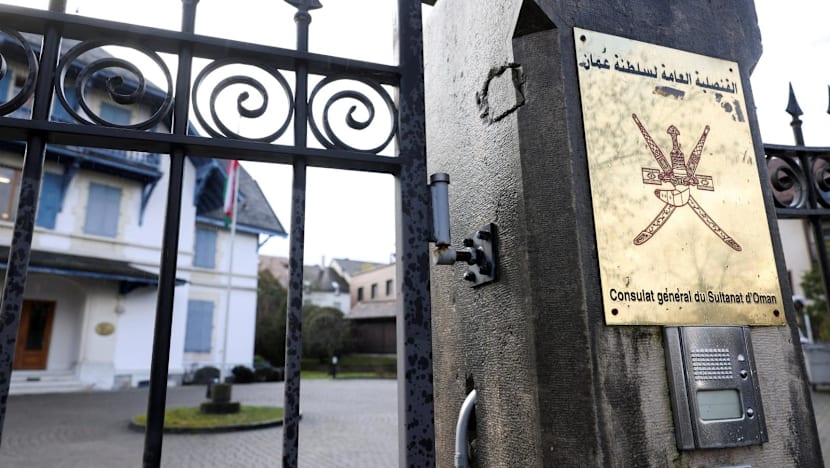
GENEVA - High-stakes Nuclear talks kicked off in Geneva on Tuesday between the United States and Iran, a fragile dance conducted against the menacing drumbeat of potential military action. Indirect negotiations, mediated by Oman, are underway as both nations attempt to navigate a decades-long chasm of distrust and disagreement. It’s a tense situation, to say the least.
US & Iran Nuclear Showdown: Is War Inevitable?! Ge...
U.S. envoy Steve Witkoff and Jared Kushner are representing the United States, while Iranian Foreign Minister Abbas Araqchi leads his nation's delegation. The closed-door meetings began early this morning. The presence of Kushner is particularly interesting, given his previous role in Middle East peace efforts. His involvement suggests the U.S. is potentially looking for a broader resolution beyond just the nuclear issue.
President Trump himself has weighed in, stating he’d be involved "indirectly." His words, while suggesting a desire for a peaceful resolution, carried an underlying threat. "I don't think they want the consequences of not making a deal," he told reporters. He also referenced the B-2 bomber deployment to signal U.S. resolve. It’s a classic Trump tactic: a mix of diplomacy and veiled aggression designed to keep the other side off balance.
Tehran is certainly aware of the stakes. The memory of last June’s bombing campaign, allegedly initiated by Israel and later joined by U.S. B-2 bombers, is undoubtedly fresh. The fact that Iran subsequently halted uranium enrichment speaks volumes about the pressure they’re under. Sources say the U.S. military is bracing for potential weeks of operations should Trump order an attack. Think about that: weeks of operations. This isn't just saber-rattling; it's a very real possibility.
Adding another layer of complexity, Iran began military drills in the Strait of Hormuz on Monday, a critical waterway for global oil exports. It's a calculated move, designed to demonstrate strength and remind the world of Iran’s potential to disrupt the global economy. Predictably, benchmark Brent oil prices dipped slightly as traders nervously assessed the risk of supply disruptions.
The core issue, of course, remains Iran’s nuclear program. Washington and Israel insist Iran is pursuing nuclear weapons, a claim Tehran vehemently denies. They maintain their uranium enrichment is solely for peaceful purposes, despite exceeding levels needed for power generation. And it's true that Iran is a signatory to the Nuclear Non-Proliferation Treaty (NPT). But, let’s be honest, trust is in short supply here.
Finally, don't forget the internal pressures within Iran. Street protests, fueled by a cost-of-living crisis exacerbated by sanctions, add another dimension to the equation. The government's heavy-handed response to these protests only further complicates matters. This isn't just about nuclear proliferation; it's about regional stability, international relations, and the very future of Iran itself. Let’s hope these talks can actually make a difference.
Comments
Please sign in with Google to post a comment
No comments yet. Be the first to comment!