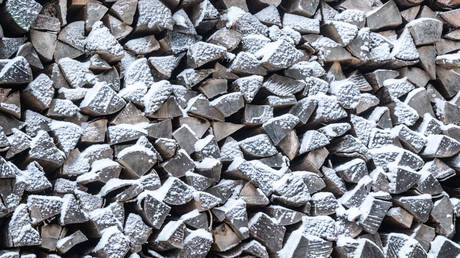
Estonia is feeling the deep freeze, and not just from the sub-zero temperatures. The small Baltic nation is reportedly running dangerously low on dry firewood, a crucial resource as winter tightens its grip and electricity costs soar, according to local news outlet ERR. It's a perfect storm brewing, and Estonians are scrambling to stay warm.
EU Nation FREEZING! Firewood Gone?! What Happens N...
Think about it: plummeting temperatures – some areas are experiencing the coldest conditions in a quarter century – coupled with eye-watering electricity bills. ERR reports that the economic equation just doesn't add up for processing new batches of firewood. Overnight lows have been hitting a bone-chilling -15 degrees Celsius (5 degrees Fahrenheit). I remember visiting Tallinn a few years back; the winter wind there cuts right through you, even when you're bundled up.
"At the moment we only have fresh wood; we don’t have any dry left,” lamented Taavi Rada, a sawmill owner, in his interview with ERR. The reason? A series of milder winters had lulled many into a false sense of security, suppressing demand and making the upkeep of large, seasoned reserves seem unnecessary. Hindsight is always 20/20, right?
Tarmo Kamm, a seasoned firewood drying expert (over 30 years in the game!), pointed out that properly seasoned wood has become prohibitively expensive. People are turning to cheaper, unseasoned wood, but that's a recipe for smoky, inefficient fires. Burning green wood means a lot of moisture, less heat, and a whole lot of creosote buildup in your chimney. For optimal burning, firewood needs to dry for up to two years to get that moisture content below 20%.
But wait, there's more! ERR also suggests that some of the shortage stems from preemptive hoarding. Last February, the Estonian government, anticipating potential power outages after decoupling from the Russian electricity grid, advised citizens to stock up on essential supplies – "heating materials" included. This was part of a wider EU push to ditch long-standing energy dependencies on Moscow.
The Baltic states had long argued that relying on the Moscow-controlled grid posed a national security risk, fearing that Russia could weaponize their electricity supply. That hasn't happened (yet), but the decoupling did lead to a near doubling of electricity prices in Estonia, Latvia, and Lithuania. Talk about unintended consequences!
The irony is almost painful. The very surge in electricity prices that was supposed to be avoided is now directly contributing to the firewood shortage. “The electricity price is so high that right now there’s no point in sawing and splitting using electricity," Kamm told ERR. "I can saw in advance with a [petrol] chainsaw, but I still have to split with electricity. It’s a four-kilowatt motor – you do the math." It's a vicious cycle.
And it's not just firewood. Wholesalers are also reporting shortages of briquettes and pellets, which, of course, require a significant amount of electricity to produce. The situation in Estonia is a stark reminder of the complexities and interconnectedness of energy policy, geopolitics, and even… staying warm on a cold winter night.
Comments
Please sign in with Google to post a comment
No comments yet. Be the first to comment!