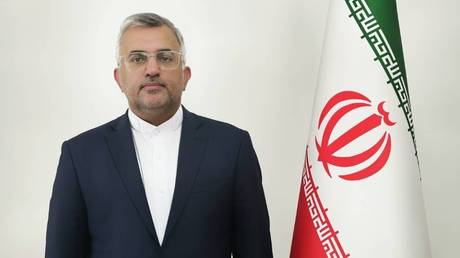
The ongoing dance between the US and Iran just took another intriguing turn. According to Iranian Deputy Foreign Minister Hamid Ghanbari, any lasting agreement between the two nations needs to include some serious Economic benefits for the United States. It's a bold statement, essentially saying, "We need to make this worth your while, or it's not going to stick." This comes amidst heightened tensions, with the ever-present threat of military action looming.
Iran Deal: US Demands Financial Benefit - Will It ...
Ghanbari specifically pointed to cooperation in high-yield sectors like oil and gas extraction, mining, and even aircraft purchases as potential areas of mutual benefit. This isn't just about preventing conflict; it's about building a foundation of shared Economic interests that would incentivize both sides to maintain the agreement. He seems to be suggesting that the previous deal, the 2015 Joint Comprehensive Plan of Action (JCPOA), failed partly because it didn't offer enough tangible advantages to Washington, which ultimately led to the US unilaterally withdrawing under the Trump administration in 2018.
This is a significant shift in tone, perhaps a reflection of the recent indirect talks held in Oman, which Iran described as "a good beginning." A second round of discussions is reportedly planned for Geneva soon. It seems Iran is trying to address a core weakness of the previous agreement: the lack of a built-in incentive for the US to remain committed. While hardliners in both countries might balk at the idea of economic cooperation, it could be the key to a more stable and lasting peace.
Of course, it's not all smooth sailing. Last week, Iranian atomic energy chief Mohammad Eslami hinted at a willingness to dilute their stockpile of highly enriched uranium, but only if all sanctions are lifted. Meanwhile, Foreign Minister Abbas Araghchi has made it clear that Iran won't completely give up its uranium enrichment capacity, even under the threat of war. And the missile program? Non-negotiable. Add to that Araghchi's earlier warning that Iran will strike American bases in the Middle East if attacked, and you get a sense of the tightrope walk everyone is on.
Even Israeli Prime Minister Benjamin Netanyahu is weighing in, demanding any deal obligate Iran to abandon uranium enrichment and limit its ballistic missile range. So, while Ghanbari's statement offers a glimmer of hope for a more durable agreement, the path forward remains fraught with challenges. The question now is whether both sides can find enough common ground, and enough economic incentive, to make a lasting peace a reality.
Comments
Please sign in with Google to post a comment
No comments yet. Be the first to comment!