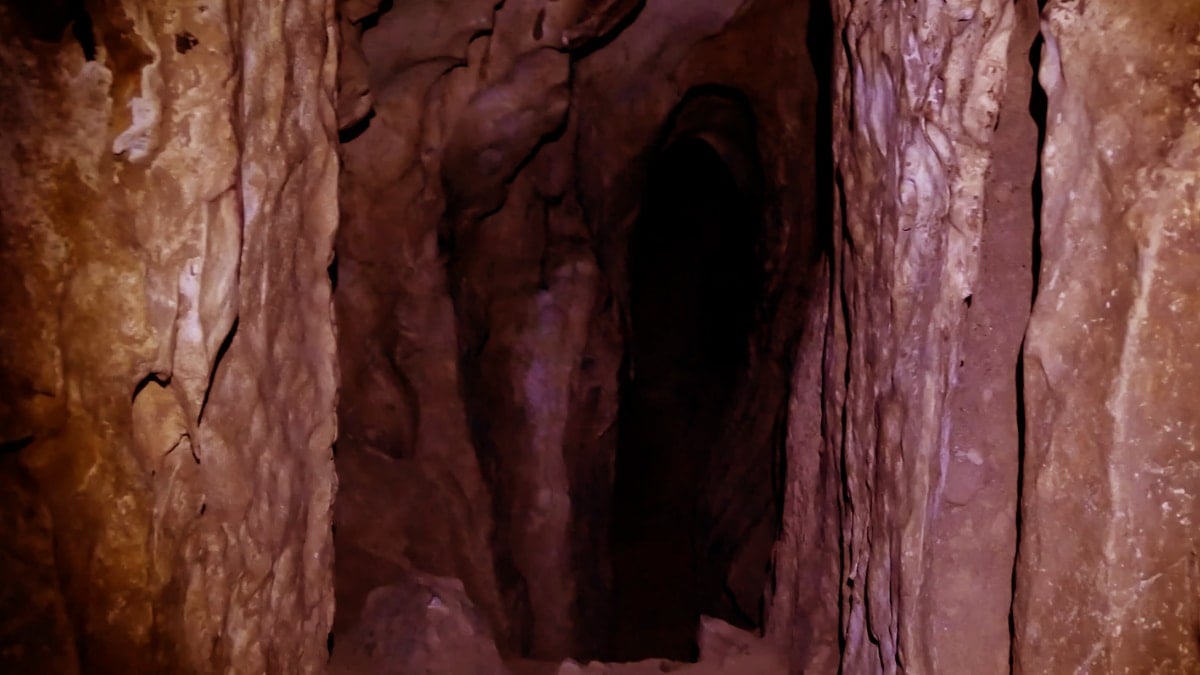
Unlocking the future sometimes means dusting off the secrets of the past, and a recent discovery in Saudi Arabia is a perfect example. A new study, hot off the presses in *Nature Communications*, details a fascinating biological puzzle unearthed deep within the kingdom's caves. Think Indiana Jones, but with more mummies and significantly less boulder-dodging (probably).
Mummified Creatures Unearthed in Saudi Cave! What ...
Painstaking excavations, covering a whopping 134 different caves between 2022 and 2023, revealed something pretty unexpected: seven incredibly well-preserved mummified cheetahs. And that’s not all – skeletal remains from another 54 animals also saw the light of day for the first time in, well, millennia. Talk about a historical treasure trove!
These aren't just any old bones, either. The 4,000-year-old ancient skeletons, alongside some newer remains dating back a mere 150 years (relatively speaking!), provide solid proof of the cheetah's long and rich history in the region. We’re talking about concrete evidence that these majestic creatures weren’t just passing through; they were an integral part of the Saudi Arabian ecosystem for a seriously long time.
The fact that these cheetahs were mummified, naturally preserved in the cool, sheltered cave environments, is remarkable. It opens up a whole new avenue for understanding the climate and environment of the region thousands of years ago. Think about it: these ancient remains could give us clues about everything from the cheetahs' diet to the diseases they were susceptible to. That's data you just can't get from modern animals.
But the implications go beyond just historical curiosity. These mummies could actually reshape Saudi Arabia's plans for meeting its international biodiversity goals. How? Well, by understanding the past distribution and genetic diversity of species like the cheetah, conservation efforts can be much more targeted and effective. It's like having a detailed blueprint for restoring a lost ecosystem. I’ve always thought that effective conservation needs a good dose of history, and this discovery proves that point perfectly.
The study highlights the importance of protecting these cave environments. Who knows what other secrets are lurking in the darkness, waiting to be discovered? It's a reminder that sometimes the most valuable resources aren't above ground, but hidden beneath our feet. And hopefully, this discovery will inspire further research and conservation efforts, ensuring that the echoes of the past can help shape a better future for biodiversity in Saudi Arabia and beyond.
Comments
Please sign in with Google to post a comment
No comments yet. Be the first to comment!