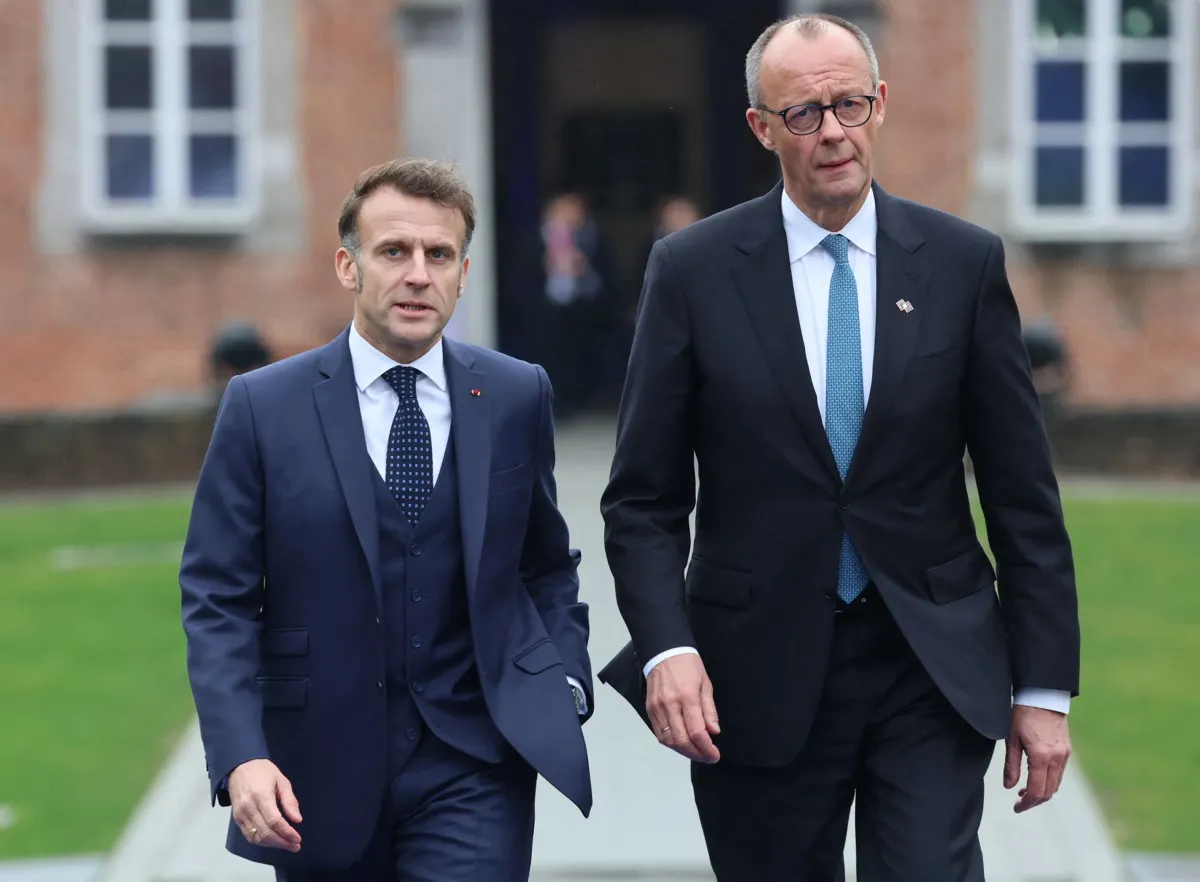
The winds of change are definitely blowing across the European continent, and not in a calming way. Whispers, then louder conversations, are emerging among European leaders regarding something previously considered almost taboo: beefing up their own nuclear arsenals. It's a heavy topic, laden with history and, frankly, a lot of fear. But the context – a resurgent and nuclear-armed Russia, coupled with growing unease about the long-term reliability of US security guarantees – is forcing the issue into the open.
Nuclear Weapons in Europe?! Is This the Start of a...
For decades, Europe has largely relied on the US nuclear umbrella, a cornerstone of NATO's deterrence strategy. But let's be honest, the Trump years shook that foundation. The "America First" rhetoric, the questioning of NATO's relevance, it all planted seeds of doubt. Even with a more traditional administration in place now, the genie is arguably out of the bottle. Can Europe truly depend on Washington to risk nuclear war to defend them, particularly given shifting geopolitical priorities elsewhere?
The current situation in Ukraine, of course, throws fuel on the fire. Putin's rhetoric, veiled and sometimes not-so-veiled threats to use Nuclear weapons, has certainly concentrated minds in European capitals. The idea of Russia gaining further ground, potentially emboldened by perceived Western weakness, is a nightmare scenario for many.
Now, before you imagine mushroom clouds on the horizon, it’s important to clarify. Nobody is seriously suggesting every European nation suddenly develops its own independent Nuclear weapons program. That would be a recipe for absolute chaos and proliferation on a scale we haven't seen. The discussion is more nuanced, centering on things like potentially increasing the number of nuclear weapons based in Europe (currently, only a few NATO members host US nukes) or, perhaps more controversially, exploring ways for countries like France, which already possess nuclear capabilities, to play a more central role in a collective European deterrent.
Frankly, it's a dangerous game. Escalation is always a risk. But the sense I get from talking to people in the know is that many European leaders feel they are left with little choice. The old certainties are gone. The world is a more volatile place. And the need to ensure their own security, even through the grim logic of nuclear deterrence, is becoming increasingly unavoidable. It's a conversation that's only going to intensify in the months and years to come.
Comments
Please sign in with Google to post a comment
No comments yet. Be the first to comment!