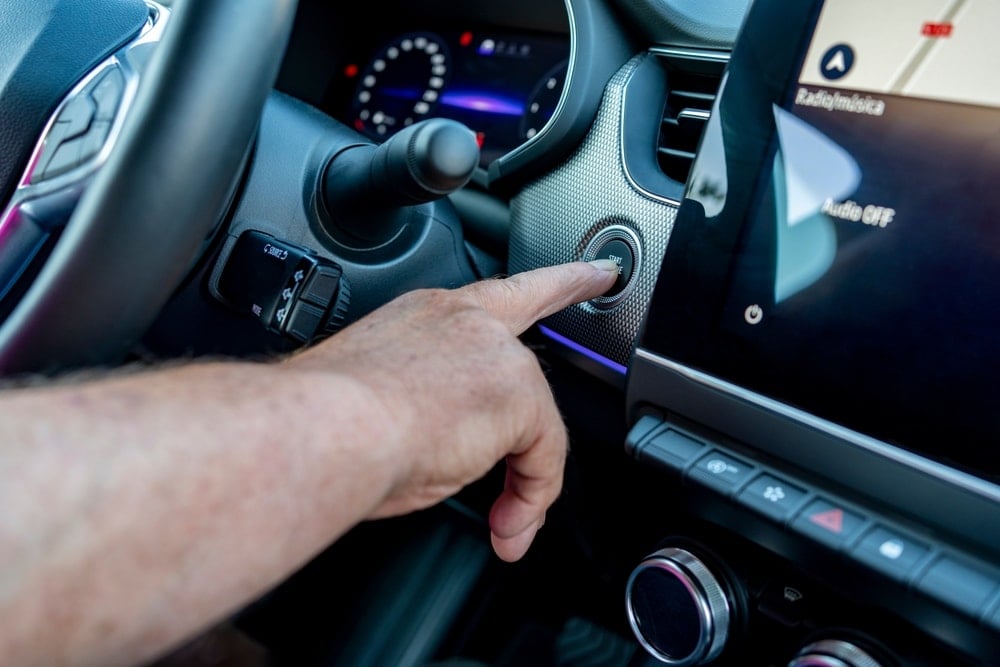
Say goodbye to that button! Millions of drivers might soon be breathing a sigh of relief as one of the most divisive automotive technologies in recent years, the Start-stop system, appears to be on its way out – at least in new cars. The news comes out of the United States, and it's bigger than you might think.
This Car Button Is Being REMOVED?! Drivers Are Fur...
The U.S. government and the Environmental Protection Agency (EPA) have decided to pull the plug on financial incentives for Start-stop systems. Let's be clear: they're not outright banning it. But make no mistake, this is a death knell. Without Uncle Sam's financial backing, manufacturers are highly likely to ditch the technology, and fast.
For those unfamiliar, start-stop automatically kills the engine when you come to a complete halt – at a red light, for example – and then restarts it when you lift your foot off the brake or press the accelerator. It was touted as an eco-friendly way to save fuel and reduce emissions, and for a while, it seemed like it was here to stay.
So, what changed? Well, it boils down to cost. While start-stop *can* help with fuel economy, it requires beefier starter motors and specialized, more expensive battery systems to handle the constant starting and stopping. Without the government subsidies sweetening the deal, the economics just don't add up for manufacturers anymore.
I've always been a bit skeptical of start-stop myself, to be honest. Sure, on paper, it looks great. But in practice, many drivers find it jarring and annoying. I know I do! The slight delay when accelerating from a standstill can be frustrating, and there's always the nagging feeling that you're putting extra wear and tear on your engine.
And that's not just anecdotal. Many users actively disable the system every time they start their car, preferring a smoother, more predictable driving experience, even if it means a tiny hit to fuel economy. The potential strain on the starter motor and battery lifespan has also been a constant concern.
Now, here's the truly interesting part. While this decision directly impacts the U.S. market, its ripple effects could be felt worldwide. The U.S. is a massive car market, and manufacturers often design vehicles with global platforms. If they're simplifying models for the U.S. by removing start-stop, it's highly likely that we'll see similar changes in Europe and Asia too. So, that little button you love to hate? It might just disappear altogether.
Comments
Please sign in with Google to post a comment
No comments yet. Be the first to comment!