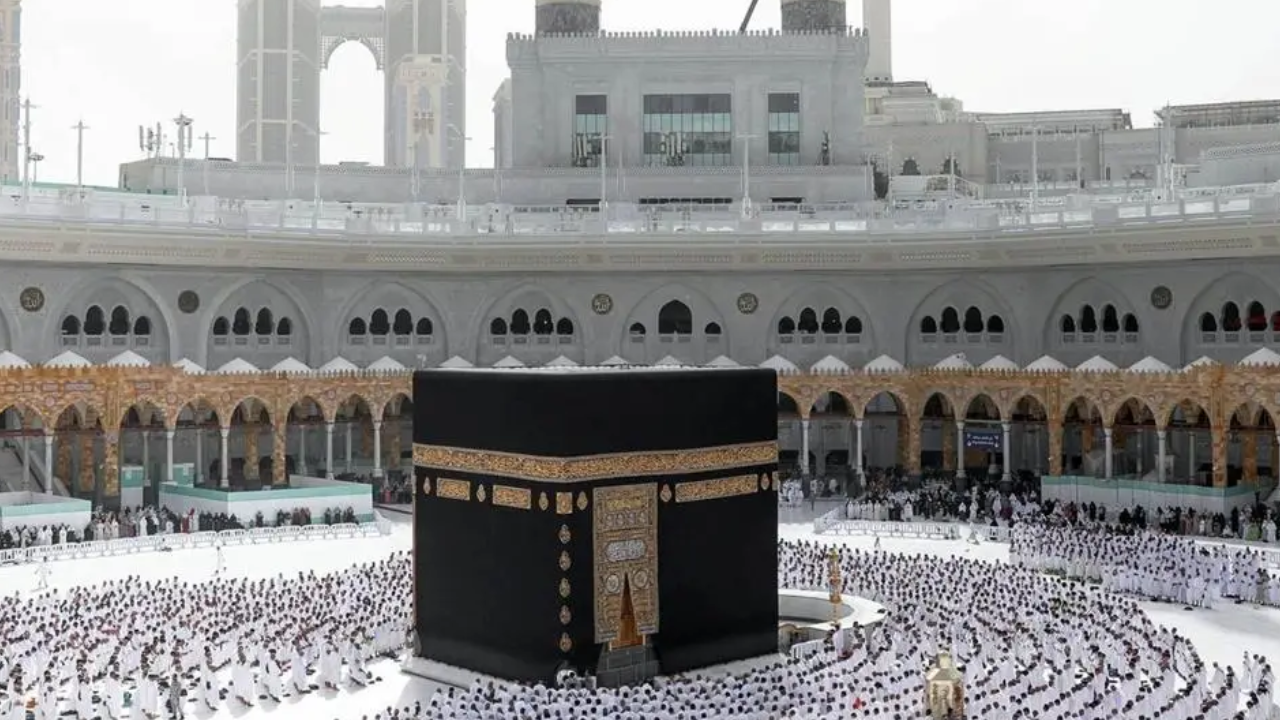
Makkah. Just the name conjures images of faith, devotion, and, let’s be honest, intense heat. I remember visiting several years ago and being absolutely floored by the sheer number of people, the spiritual energy… and the blistering sun. What I also remember, and what struck me at the time, was how surprisingly cool the marble felt under my bare feet. I wasn't alone in noticing this phenomenon. It's a question many pilgrims have: How does the marble around the Kaaba stay so cool, even in the peak of summer?
Makkah's Miracle Marble: How Does It Stay COOL?! Y...
The answer, it turns out, isn't some religious miracle (though some might argue it is!), but a clever combination of material science and thoughtful engineering. The key player here is the marble itself: specifically, Thassos marble. This isn't just any old marble; it's a high-quality, brilliant white stone sourced from Greece. Think of it as the luxury SUV of marbles, but instead of leather seats, it boasts incredible heat-reflecting properties.
Unlike darker-colored materials that readily absorb sunlight and radiate heat, Thassos marble reflects a significant portion of the sun's energy. This means less heat is absorbed in the first place, leading to a much cooler surface temperature. I remember thinking the marble was almost blindingly white; now I understand that whiteness is a key factor in its cooling ability. But there’s more to it than just color. Several scientific studies have explored the secrets hidden within this stone.
One such study, published in the *Journal of The Institution of Engineers (India) Series D* in 2022, highlighted Thassos marble’s higher thermal conductivity compared to standard white marble. Basically, it's better at dispersing heat. Instead of the heat sticking around and making the surface scorching, it spreads out through the stone, keeping things cool. This is thanks to the marble's unique microstructure and mineral composition, acting like a natural heat sink.
Another peer-reviewed study, titled *Cool White Marble Pavement Thermophysical Assessment at Al Masjid Al-Haram, Makkah City, Saudi Arabia* (try saying that five times fast!), confirmed these findings in real-world conditions. The researchers concluded that the marble's high reflectance plays a "critical role" in maintaining a comfortable walking surface. But the secret is not just the marble itself. In many areas, insulation layers beneath the marble further reduce heat transfer from the ground, and architectural designs facilitate airflow, all working in harmony to keep the area refreshingly cool.
So, the next time you see images of pilgrims walking barefoot around the Kaaba, remember that it’s not just faith that keeps them going in the intense heat. It’s also a remarkable feat of engineering, carefully selected materials, and a deep understanding of how to combat the scorching desert sun. It’s a testament to the dedication to ensuring a comfortable and spiritual experience for millions of visitors each year. It’s pretty impressive, when you think about it.
Comments
Please sign in with Google to post a comment
No comments yet. Be the first to comment!