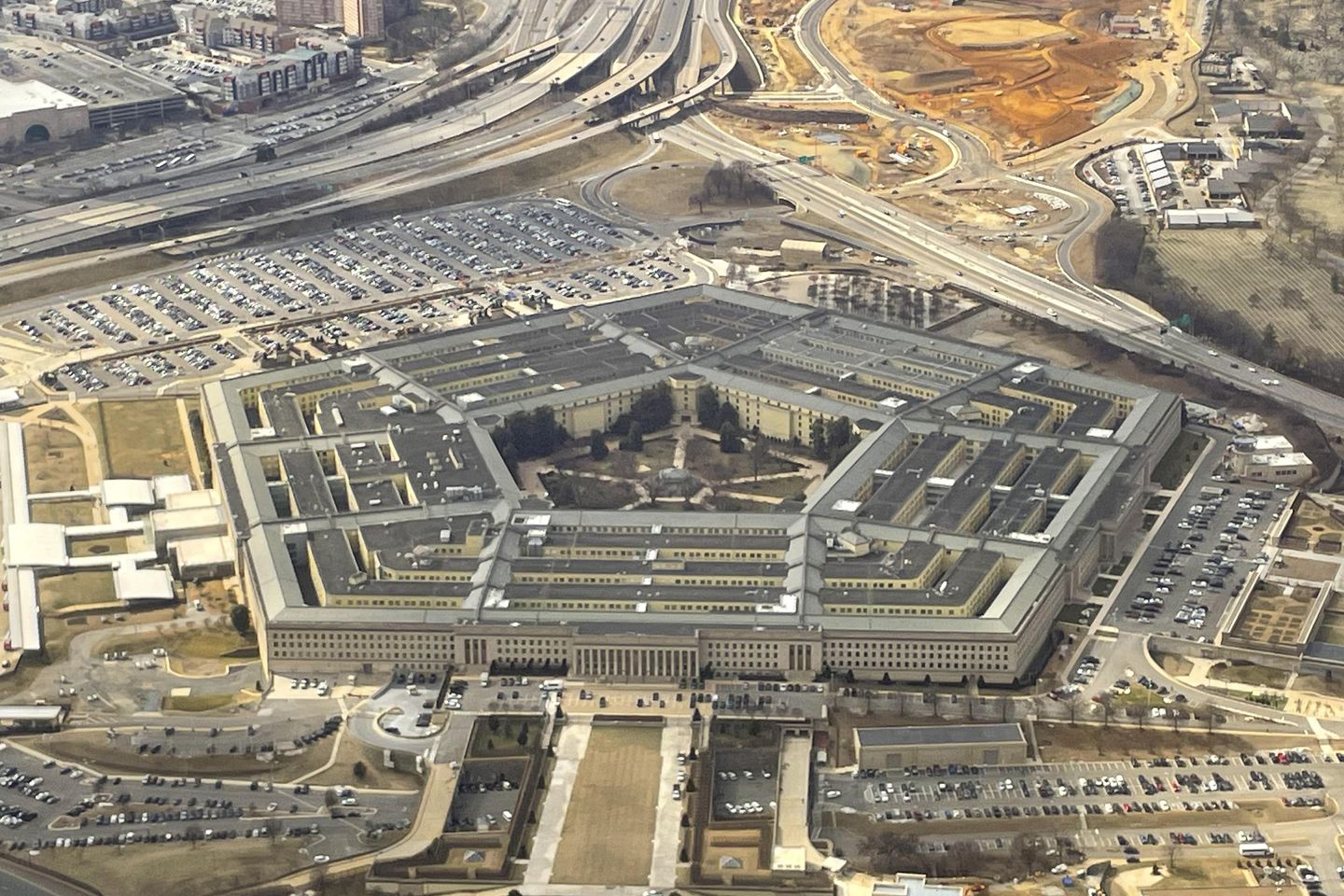
Well, this is a head-scratcher. The Pentagon, in a move that’s left many analysts scratching their heads, published a revised and expanded list of Chinese companies allegedly linked to the People's Liberation Army (PLA) on Friday. The list, crucial for U.S. investors and businesses navigating the increasingly complex geopolitical landscape, apparently included firms suspected of contributing to Beijing's "civil-military fusion" program. This program, for those unfamiliar, essentially mandates that civilian technological advancements are also channeled into military applications. Big stuff.
Pentagon U-Turn! China Military List Pulled – What...
Now, here's where it gets weird. Almost as quickly as it appeared, the list vanished from the Department of Defense website. No fanfare, no explanation, just…poof! It's like they hit the "delete" button and hoped no one would notice. Of course, in today’s internet age, that’s just not possible. Several news outlets, including ourselves, managed to snag a copy before it went down. The question is: why the sudden retraction?
The initial inclusion of these companies certainly sent a clear message – the U.S. is taking a harder line on Chinese firms perceived to be aiding the PLA. Investing in or doing business with companies on such a list can lead to serious repercussions, including sanctions and restrictions on trade. Think about the potential implications for pension funds or university endowments with investments in these firms. It’s a minefield, and the Pentagon's list was meant to provide some guidance. Or so we thought.
So, what’s the story behind the vanishing act? Officially, there's been no comment from the Pentagon as of yet. This leaves us to speculate. Perhaps there were inaccuracies in the initial list, requiring a review. Maybe there was internal disagreement within the administration about the timing or scope of the announcement. Or, perhaps, the retraction was a result of diplomatic pressure from Beijing. It's anyone’s guess at this point, and the lack of transparency is, frankly, concerning. These kinds of decisions have real-world consequences, and the public deserves to know what’s going on.
Whatever the reason, the brief appearance and then disappearance of this list has created more questions than answers. It highlights the delicate balance the U.S. is trying to strike between safeguarding national security and maintaining economic ties with China. And it’s a reminder that things in the world of geopolitics are rarely black and white. We'll continue to follow this story closely and provide updates as they become available. Stay tuned, folks, this is far from over.
Comments
Please sign in with Google to post a comment
No comments yet. Be the first to comment!