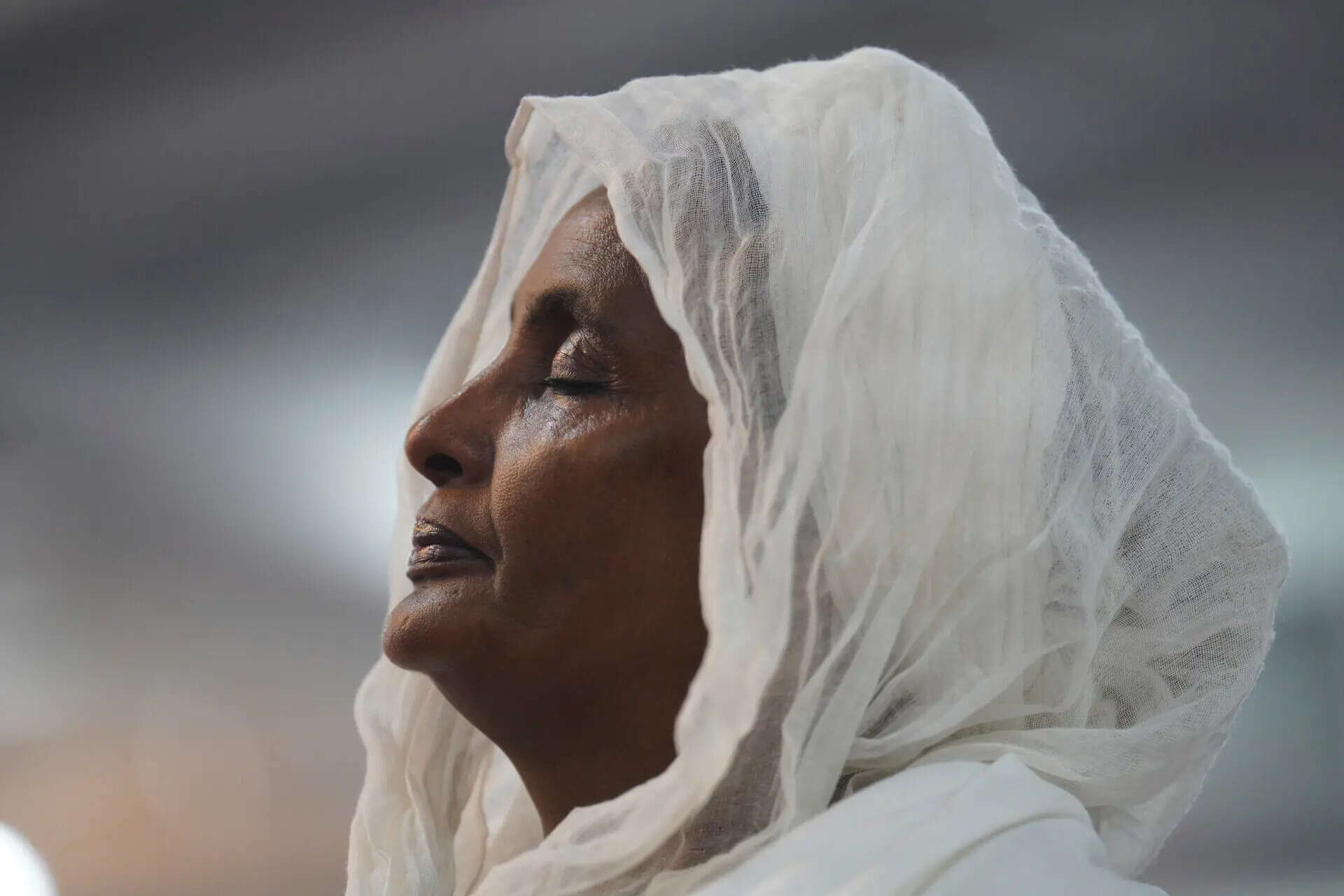
Singapore, that tiny island nation with a knack for being ahead of the curve, has just snagged another top spot – this time for Religious diversity. According to a newly released 2026 Pew Research Center study, Singapore boasts the highest score on the Religious Diversity Index, a whopping 9.3. Think about that for a second – a near-perfect balance of religious representation in a single city-state. It’s pretty impressive.
Shocking Faith Shift: Is Singapore the World's Mos...
The study, a massive undertaking that sifted through data from over 2,700 censuses across 201 countries, paints a fascinating picture of the world's evolving religious landscape. It's not just about who believes what, but how those beliefs are distributed across the globe. The report confirms some long-held assumptions, but also throws in a few surprises. For instance, while Christianity remains the largest religious group worldwide, with 2.3 billion followers, its overall share of the global pie is shrinking ever so slightly. Something to watch, no doubt.
On the flip side, Islam is booming. The Pew study shows a staggering increase of 347 million Muslims in the last decade, making it the fastest-growing major religion. Hinduism isn't far behind, with an impressive growth of 126 million adherents, holding steady at nearly 15% of the global population. What I find particularly noteworthy is the rise of the religiously unaffiliated. Now representing a significant 24.2% of the world's population, they've become the third-largest "religious" category, highlighting a growing trend towards secularism or simply a lack of identification with traditional religious labels. Interestingly, Buddhism is the only major faith to actually see a decline in numbers. This could be down to many complex factors, including aging populations in traditionally Buddhist countries.
Of course, not everywhere is a melting pot like Singapore. At the other end of the spectrum, countries like Yemen, Afghanistan, and Somalia are identified as the least religiously diverse. You can almost feel the tension and potential for conflict in those rankings. The study also highlighted the Asia-Pacific region as a whole as the most religiously diverse – a testament to its long history of cultural exchange and migration.
This Pew-Templeton Global Religious Futures project, backed by some serious philanthropic heavyweights, offers a crucial snapshot of our world. It’s more than just numbers; it’s about understanding the shifting beliefs and demographics that shape our societies. And honestly, in a world that often feels increasingly divided, understanding these trends feels more important than ever. The Religious diversity Index (RDI), in particular, is useful for researchers and policymakers alike, providing a framework to analyze and potentially address issues related to religious pluralism and inclusion. Let's hope this data can be used to build bridges instead of walls.
Comments
Please sign in with Google to post a comment
No comments yet. Be the first to comment!