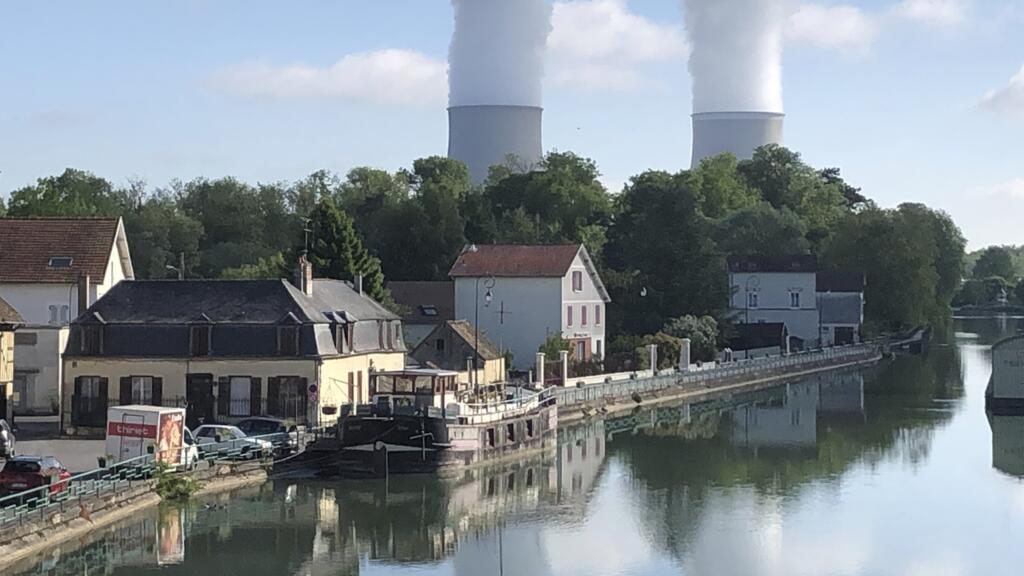
France is about to make a dramatic shift in its energy policy, one that's sure to ruffle some feathers amongst renewable energy advocates. A new energy law is poised to be passed by decree this week, and the headline is this: France is scaling back its renewable energy ambitions while simultaneously doubling down on nuclear power. That's a pretty significant departure from the trajectory many European nations are pursuing.
France's SHOCK Energy Shift: Renewables Slashed, N...
The details are still emerging, but the core of the law involves lowering the previously established targets for renewable energy deployment. This means less wind, less solar, and potentially less investment in other green technologies like geothermal. Now, on the flip side, the law paves the way for a significant expansion of France's nuclear power infrastructure. Think new reactors, life extensions for existing plants, and a general commitment to nuclear as a cornerstone of the nation's energy future.
Why the change? Well, a big part of the story revolves around Électricité de France (EDF), the state-owned electricity giant. EDF has been facing some serious headwinds lately. On one hand, it was mandated to shut down some of its aging nuclear facilities, and on the other, it's been struggling to compete with the increasingly competitive prices of solar and wind energy imported from other European countries. This new law seems to be a lifeline for EDF, allowing it to maintain its dominance in the French energy market.
It's also worth considering the bigger picture. France has always been a strong proponent of nuclear power, viewing it as a reliable and low-carbon energy source. While many other nations are phasing out nuclear in response to safety concerns and public pressure, France has consistently argued that it's essential for energy independence and reducing reliance on fossil fuels. This law just reinforces that position.
Of course, the implications are complex. While nuclear power can provide a stable baseload of electricity with relatively low carbon emissions, it also comes with its own set of environmental concerns, including radioactive waste disposal and the potential for accidents. And while this will undoubtedly make EDF happier, questions remain about the impact on the growth of the renewable energy sector in France. Will it stifle innovation? Will it discourage investment? Only time will tell. But one thing's for sure: this is a major policy shift that will have long-lasting consequences for France's energy landscape – and maybe even beyond its borders.
Comments
Please sign in with Google to post a comment
No comments yet. Be the first to comment!