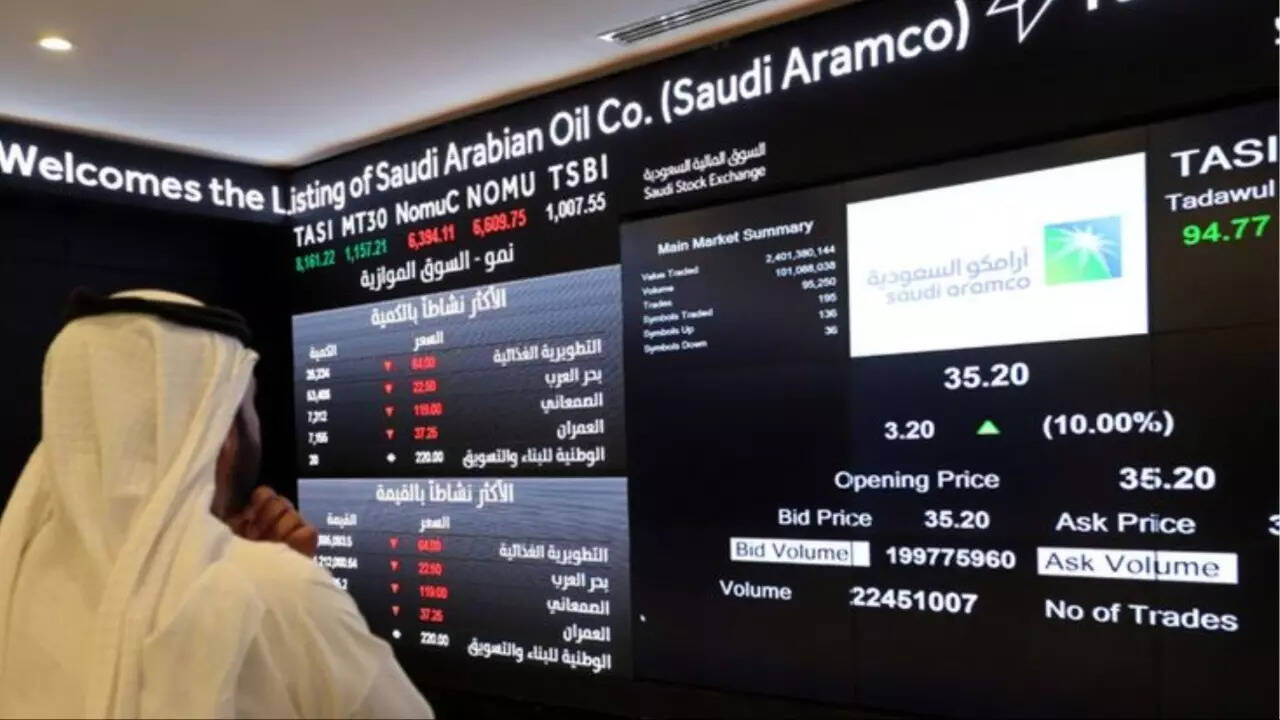
Saudi Aramco, the colossal oil and gas juggernaut, just announced it's hit a major milestone in its push to "Saudi-ize" its supply chain. We're talking about achieving a whopping 70% local content. Now, what does that actually *mean*? Well, it basically means that 70% of the money Aramco spends on getting the stuff it needs to, you know, drill and refine oil, is now staying *inside* Saudi Arabia. Think materials, services – everything. And that's a pretty big deal for the Kingdom's broader economic ambitions.
Saudi Oil Boom: $280B Windfall & 200K Jobs – What'...
This 70% figure is part of Aramco's "In-Kingdom Total Value Add" (iktva) program. A slightly clunky name, admittedly, but its goal is simple: to get more companies making and selling things *within* Saudi Arabia. The whole strategy is designed to move the country beyond just being a massive oil exporter, and turn it into a real industrial powerhouse. It's a key piece of the ambitious Saudi Vision 2030 plan, spearheaded by Crown Prince Mohammed bin Salman.
So, what's the big payoff? Well, according to Aramco, this iktva program has already pumped a staggering $280 billion into the Saudi GDP. That’s not chump change. But it’s not *just* about the money. It's about creating jobs too. We're talking over 200,000 new jobs, which is a significant boost for the Saudi workforce. It’s not just about Aramco, it’s about creating a whole ecosystem of supporting industries.
And it seems to be working in terms of attracting foreign investment too. I mean, if you want to do business with Aramco, the message is pretty clear: set up shop in Saudi Arabia, and you’re far more likely to get a piece of the pie. It encourages foreign companies to bring their expertise and technology into the Kingdom. Which, if you think about it, creates even more jobs and further diversifies the economy.
Aramco isn't stopping there, either. They've set a target of reaching 75% local content by 2030. Which means even more investment, more jobs, and more diversification. It's an ambitious goal, no doubt, but given their track record so far, it’s certainly achievable. What this means in the long run, is a Saudi Arabia that isn't quite so reliant on the price of oil, and more resilient to the ups and downs of the global energy market.
Comments
Please sign in with Google to post a comment
No comments yet. Be the first to comment!