Cortina d’Ampezzo, Italy – The air is crisp, the snow (mostly) sparkling, and the Dolomites are putting on a show as the 2026 Winter Olympics and Paralympics reach full swing. Let me tell you, seeing these athletes against this backdrop is something else. It’s hard to believe they can focus with such incredible scenery demanding your attention at every turn. From the lightning-fast ski runs to the meticulously planned curling matches, the games are a fascinating blend of athleticism and strategy, all set against a breathtaking panorama.
Dolomites Daredevilry! Speed Record Shattered, But...
Cortina, nestled in these majestic northern Italian Alps, is sharing hosting duties with Milan, but let's be honest, the Dolomites are stealing the show. These towering cliffs, craggy spires, and deep valleys create a visual spectacle unlike anything I've ever witnessed. You could spend hours just staring, and I may have done just that for a few minutes before remembering I had a job to do.
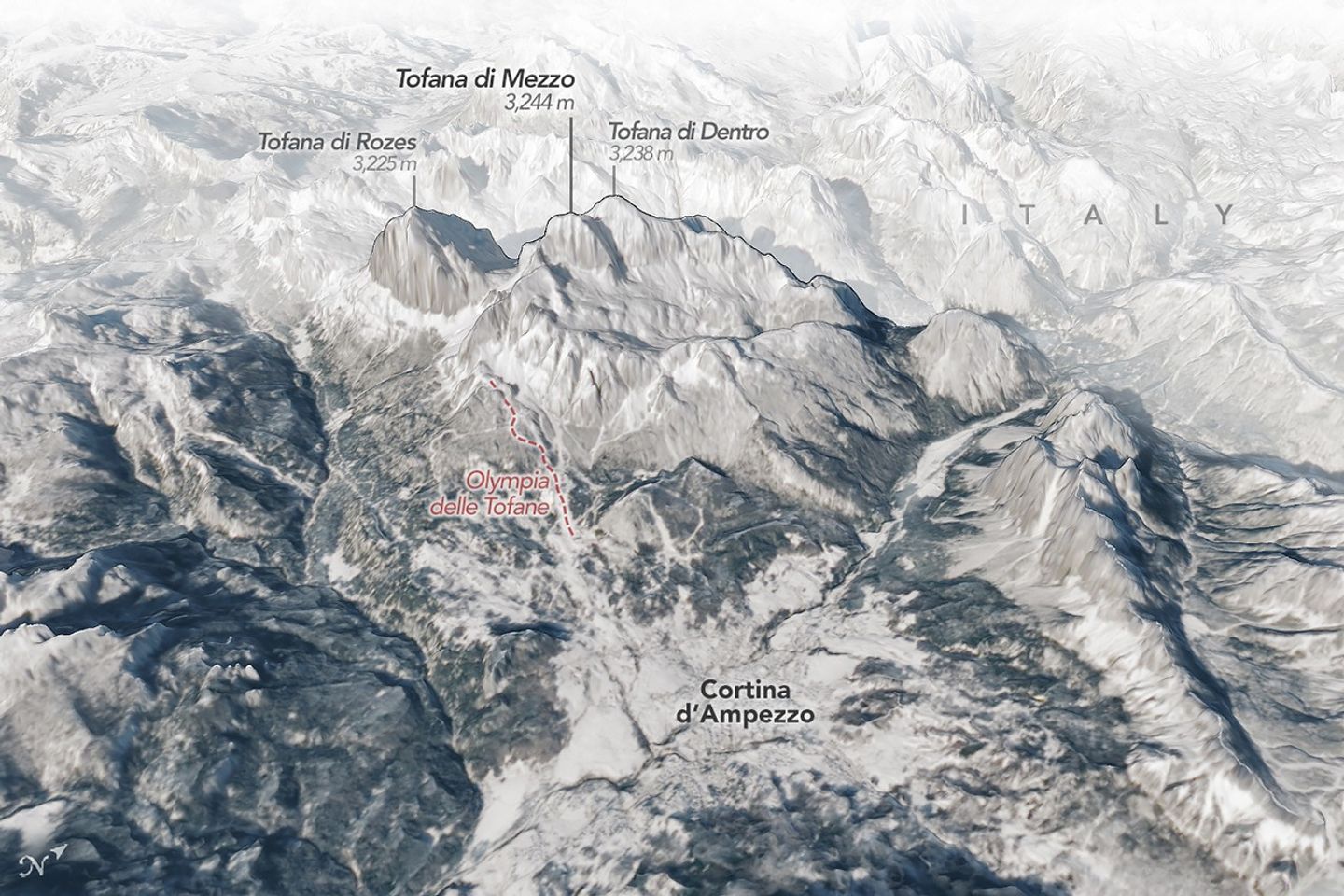
The Operational Land Imager (OLI) on Landsat 8 captured an image on January 27th that's now been used to create a stunning three-dimensional map. It really puts the sheer scale of the mountains into perspective. Peaks soar over 3,000 meters (that's over 10,000 feet!) above Cortina. It's a humbling experience to stand here, surrounded by such natural grandeur.
Speaking of scale, the Tofana di Mezzo, the Dolomites' third-highest peak, is hosting the Olympic women’s Alpine skiing and all Paralympic skiing events at the Tofane Alpine Skiing Centre. Competitors are hurtling down the Olympia delle Tofane course, dropping a staggering 750 meters and reaching insane speeds. I’m told the Tofana Schuss, a crazy steep 33-degree drop through a rock chute, is a real test of nerve. I can’t even imagine it. Just watching is enough to give me the jitters!
Then there's the Cortina Sliding Centre, a rebuilt version of the track from the 1956 Olympics (also hosted here!), where bobsled, luge, and skeleton athletes are risking life and limb. It's pure adrenaline, that's for sure. Meanwhile, at the Cortina Curling Olympic Stadium, which originally hosted figure skating back in '56, curlers are trading speed for strategy, delicately guiding their stones towards glory. It's quite a contrast, really.
One interesting aspect of these games is the emphasis on using existing or refurbished facilities. It's a more sustainable approach, and it adds a certain historical charm to the event. Landsat images are also providing valuable data, revealing the alpine terrain in both natural and false color, helping organizers monitor snow conditions and manage resources.
Of course, as with any winter sports event these days, snow is a major topic. Despite below-average snowfall early on, a storm just before the opening ceremony helped, but snowmaking technology is still playing a crucial role. High-elevation reservoirs have been built to store water, and organizers are trying to use automated systems and renewable energy to minimize the environmental impact. Still, the impact of rising global temperatures on future Winter Olympics is something everyone’s thinking about.
Comments
Please sign in with Google to post a comment
No comments yet. Be the first to comment!