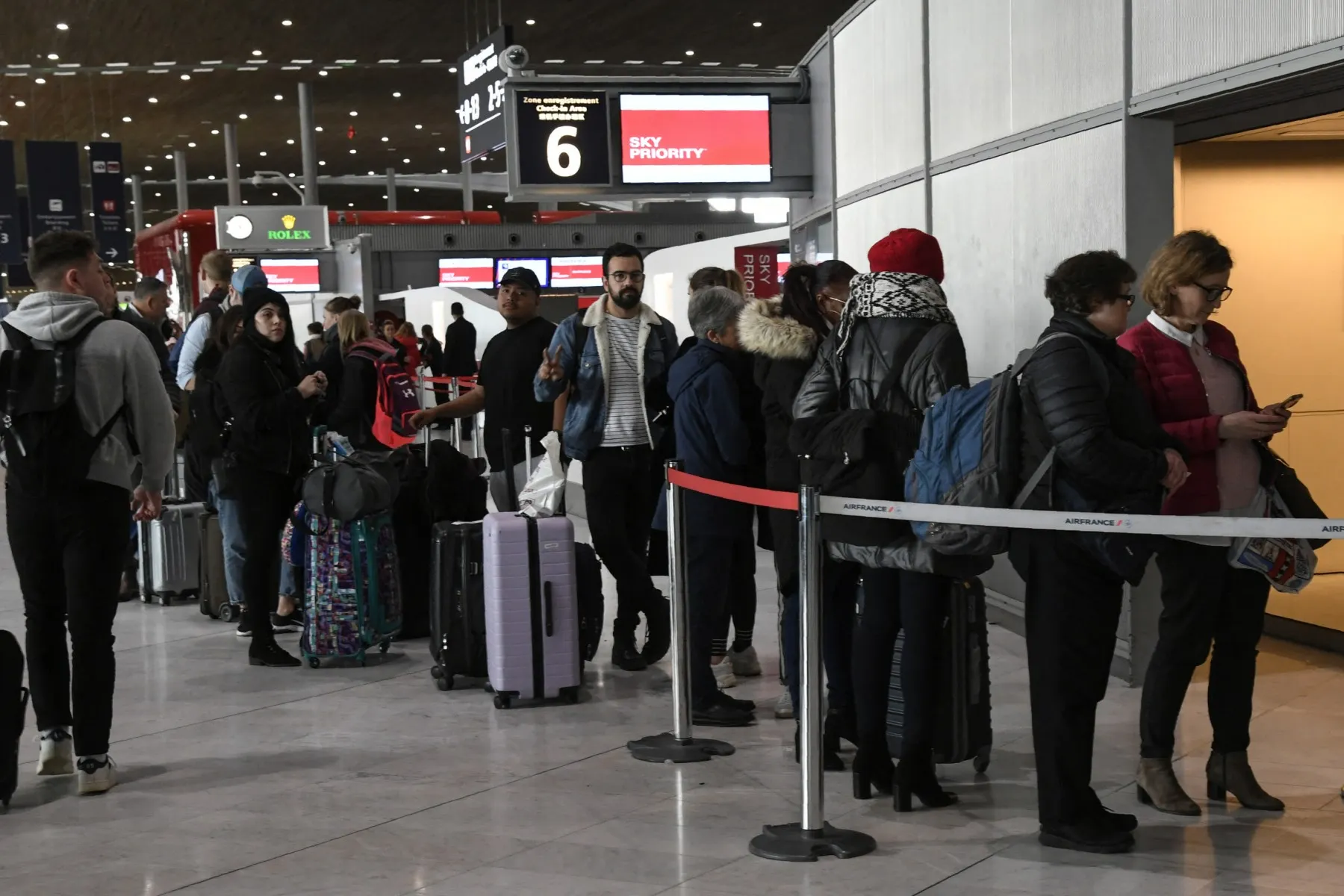
Europe's airlines and airports are bracing for what could be a summer of travel chaos. Forget about leisurely strolls through duty-free – we might be talking four-hour queues at border control. The culprit? A looming fear surrounding the implementation of the EU's new Entry/Exit System (EES), a biometric border check system that airlines are now urgently calling on EU chiefs to reconsider, or at least seriously review, its rollout schedule.
Europe Travel CHAOS: 4-Hour Airport Queues?! What ...
The EES system is designed to register travelers from non-EU countries, recording their name, type of travel document, biometric data (fingerprints and facial images), and the date and place of entry and exit. Sounds efficient, right? Well, the airlines aren’t so sure. Their concern boils down to one word: delays. Massive delays. They argue that the current infrastructure and staffing levels simply aren't equipped to handle the increased processing time that biometric checks require. Imagine thousands of passengers, each needing a fingerprint scan and facial recognition check – the bottlenecks could be epic.
And let's be honest, anyone who's flown internationally lately knows that airports are already stretched thin. Staff shortages, baggage handling issues, and flight delays have become almost commonplace. Throw in a new, potentially time-consuming border control system, and you've got a recipe for disaster. Airlines are painting a grim picture: missed connections, frustrated travelers, and a general sense of pandemonium. I can already feel the travel anxiety bubbling up just thinking about it.
The core of the airline's argument is that a phased implementation, or perhaps even a delay, would be a far more sensible approach. Give airports time to adapt, train staff properly, and ensure the system is fully functional before unleashing it on the peak summer travel season. It's a valid point. Rushing headlong into a new system without adequate preparation seems like a gamble, especially when the stakes are so high. The potential damage to Europe's tourism industry, not to mention the sanity of countless travelers, is significant.
So, what happens next? The pressure is now on EU officials to listen to the airlines' concerns and take swift action. Whether that means postponing the rollout, increasing resources, or implementing a more gradual transition remains to be seen. But one thing is clear: unless something changes, those summer holiday dreams could quickly turn into a logistical nightmare. Keep your fingers crossed, and maybe pack an extra-large dose of patience – just in case.
Comments
Please sign in with Google to post a comment
No comments yet. Be the first to comment!