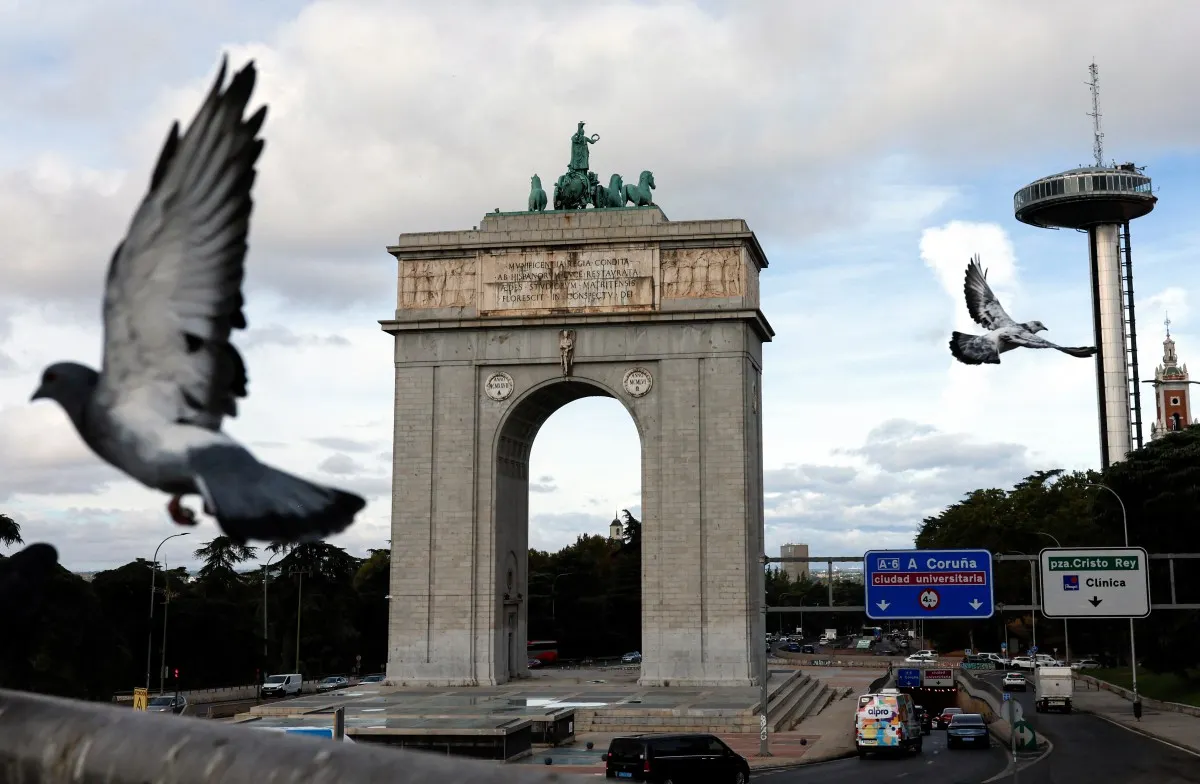
Madrid – Spain's efforts to grapple with the legacy of Francisco Franco's dictatorship are once again under scrutiny, with a leading historical memory association accusing the government of failing to uphold its own laws. This isn't just some minor bureaucratic squabble; it goes to the heart of Spain's ongoing struggle to reconcile with a painful past.
Spain's Franco Law SHOCK: Is This the End of Histo...
The Association for the Recovery of Historical Memory (ARMH), a highly respected organization dedicated to identifying victims of the Franco regime and promoting historical understanding, leveled the accusations on Monday. They claim the leftist coalition government, which has made the removal of Francoist symbols a key policy plank, isn't doing enough to actively enforce its own legislation.
"It's incredibly frustrating," says Emilio Silva, a prominent figure within the ARMH. "We've seen a lot of talk about the need to remove these symbols, but the actual progress on the ground is disappointingly slow. Many towns and cities are simply dragging their feet, and the government doesn't seem to be applying enough pressure to force compliance. Frankly, it's a bit hypocritical."
The memory law, passed several years ago, mandates the removal of street names, monuments, and other symbols that glorify Franco or his regime. The aim, quite rightly in my opinion, is to ensure that public spaces don't continue to honor a figure responsible for so much suffering. But implementation has been patchy, to say the least. Some regions have embraced the law wholeheartedly, while others have resisted, often citing cost or local sensitivities.
This isn't the first time the government has faced criticism on this front. Even those broadly supportive of the memory law have expressed concerns about the pace of change. You see, there's a delicate balance to be struck. Some argue that erasing all traces of the past is itself a form of historical revisionism. But for victims and their families, the presence of Francoist symbols is a constant reminder of the injustice they suffered.
The current accusations from the ARMH are significant because they come from a group with considerable moral authority on this issue. It remains to be seen how the government will respond. Will they double down on enforcement, or will they continue to tread carefully, mindful of the political sensitivities involved? One thing is clear: the debate over Franco's legacy isn't going away any time soon, and this latest controversy only serves to highlight the complexities of dealing with a deeply divisive past.
Comments
Please sign in with Google to post a comment
No comments yet. Be the first to comment!