Okay, folks, picture this: You're planning a relaxing Turkish getaway, soaking in ancient thermal waters rumored to have healing powers. Sounds idyllic, right? Well, Mother Nature had other plans for one of Turkey's most cherished spots.
Ancient Spa City Vanishes! 2,000-Year-Old Springs ...
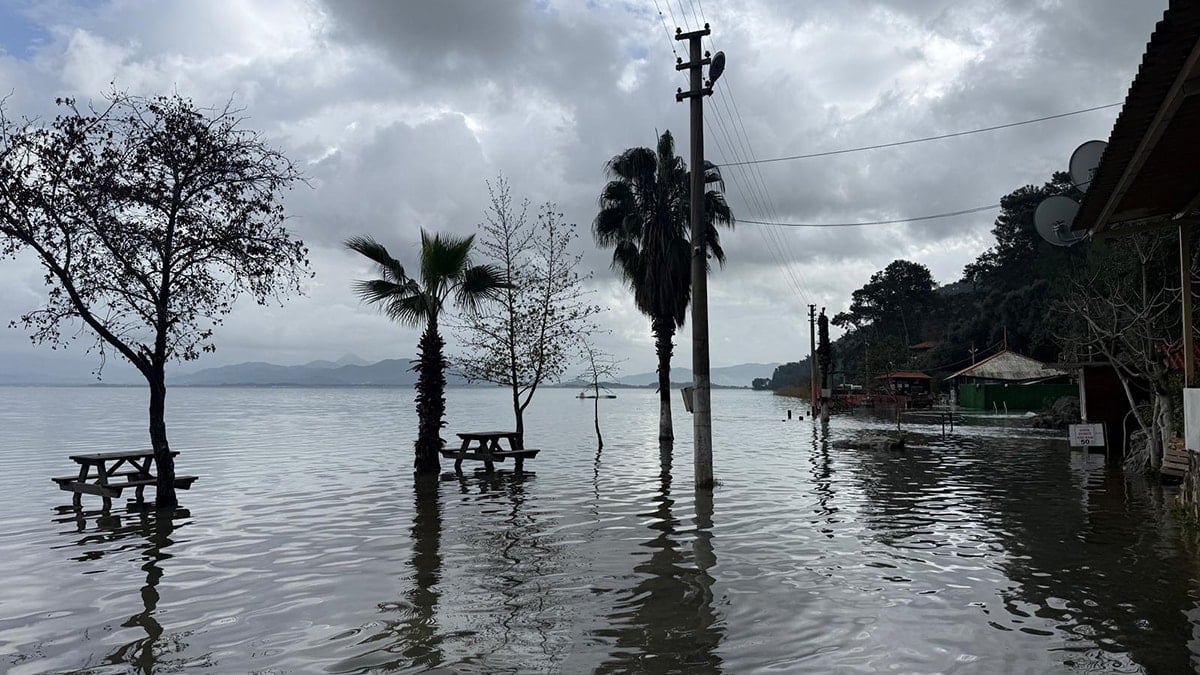
Heavy rainfall in the Köyceğiz district of Muğla, that gorgeous region on the Turkish Riviera, has led to Lake Köyceğiz overflowing its banks. And the unfortunate victim? The 2,000-year-old Sultaniye Thermal baths, a place steeped in history and, frankly, a whole lot of mud.
According to local reports, the lake's water level rose dramatically, a situation made even worse by strong southwesterly winds that just pushed the water right over the edge. Now, these aren't just any old baths. The Sultaniye hot springs and mud baths are famous throughout the region for their therapeutic properties. People come from all over to experience the unique mineral composition of the water, which apparently contains a whopping 12 different minerals. Think of it as a natural spa day, courtesy of the earth itself.
I remember reading about Sultaniye a few years back, intrigued by the fact that it's one of Turkey's rarer thermal spring destinations. It's not just about the soaking; it's the whole experience. Visitors typically hop on passenger boats from Köyceğiz and Dalyan, making it a mini-adventure just to get there. Then, you're greeted with indoor and outdoor pools, all fed by these naturally heated, mineral-rich waters. And let’s not forget the mud baths – a rather messy, but allegedly rejuvenating, affair.
So, what now? Well, hopefully, the waters will recede soon and the extent of the damage can be assessed. The local community relies on the Sultaniye baths for tourism, and it's a significant loss for them. It's a stark reminder that even the most ancient and beloved sites are vulnerable to the forces of nature. Let's hope they can restore this special place and bring back the therapeutic mud baths soon.
This situation also prompts a bigger question: How do we better protect these vulnerable historical and natural treasures from the increasing impacts of climate change and extreme weather events? It's a conversation we need to have, and fast, before more of these irreplaceable places are lost forever.
Comments
Please sign in with Google to post a comment
No comments yet. Be the first to comment!