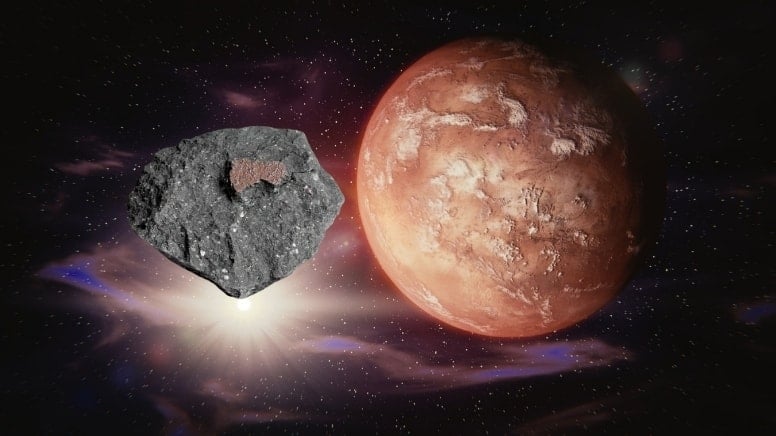
Well, folks, it seems Mars is keeping secrets, even after all this time. Scientists have just pulled off an incredible feat, peering inside the 4.5-billion-year-old "Black Beauty" meteorite, and what they found is pretty darn surprising: significant amounts of hydrogen and water components. Black Beauty, for those not in the know, is believed to have come from Mars, making this discovery even more significant.
Scientists Stunned! 4.5 Billion-Year-Old Rock Hold...
The team, spearheaded by Estrid Naver from the Technical University of Denmark, managed to image the meteorite’s insides without breaking it open. That’s right, no hammers or chisels involved! They used a rather clever combination of X-ray CT and Neutron CT scanning, which allowed them to virtually dissect this ancient Martian traveler.
So, what did this high-tech peek inside reveal? Turns out, there are these tiny rock fragments, affectionately called "H-Fe-ox" (hydrogen-rich iron oxyhydroxide), scattered within the stone. Now, these little specks only make up a tiny fraction – about 0.4% – of the total rock. However, here's the kicker: they hold a whopping 11% of the rock's total water content. Talk about packing a punch! It's almost like finding a hidden oasis in a desert.
This discovery is more than just a cool science factoid. It suggests something pretty profound about Mars's past. Could it be that the Red Planet once harbored more widespread, and potentially liquid, water than we previously imagined? It certainly seems that way. For years, we've seen hints and clues suggesting a wetter, warmer Mars in the ancient past. This discovery adds significant weight to that theory. I remember when the first images from the Mars rovers started coming in, and everyone got excited about the possibility of ancient riverbeds. This is like finding the remnants of the river itself.
The researchers are understandably excited about the implications. Looking ahead, they plan to use this same non-destructive scanning method on future samples that are scheduled to be brought back from Mars to Earth. This means we could be on the verge of uncovering even more secrets about the Red Planet’s watery past, and perhaps, even whether it ever harbored life. It's a truly exciting time for space exploration, and a testament to the ingenuity of scientists around the world. Who knows what else Black Beauty, and future Martian rocks, will reveal? Only time will tell. And you know what? I can't wait.
Comments
Please sign in with Google to post a comment
No comments yet. Be the first to comment!