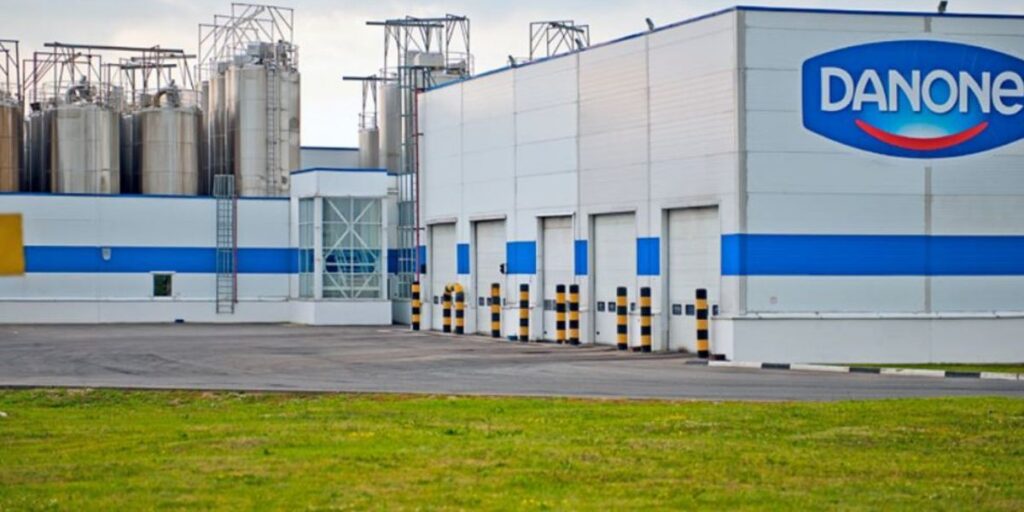
Panic in the baby aisle? Maybe not full-blown, but parents in Spain and the UK are understandably on edge after French dairy giant Danone expanded its Infant formula recall this week. The reason? Concerns about potential contamination with cereulide, a nasty toxin produced by some strains of Bacillus cereus. Seems like this bacteria just won't give formula manufacturers (and parents) a break.
Urgent Baby Formula Recall: Toxin Alert Shocks Par...
This move isn't happening in a vacuum, either. Nestlé, Danone's big competitor, has also been extending its own formula recall recently. It's all tied to a growing awareness and concern following a confirmed second infant case in Belgium linked to toxin exposure. It's a domino effect no one wants to see when it comes to feeding their babies.
So, what's being pulled from shelves? We're talking specific batches of Aptamil and Cow & Gate, two very popular brands. Health regulators are understandably being cautious. The recall now stretches across Britain, Spain, Croatia, and Slovenia. Honestly, it’s a logistical nightmare for everyone involved, from the stores to the distributors, but absolutely essential for the safety of our little ones.
For those unfamiliar, cereulide isn’t something you want your baby ingesting. We're talking gastrointestinal distress – vomiting, nausea, abdominal cramps – the kinds of things that are already stressful enough to deal with in infants without adding a potential toxin to the mix. Authorities have been releasing lists of affected product codes. My advice? Check your cupboards *now*. Don't wait.
Spanish food safety authorities are playing it safe, too. They've confirmed that additional Danone products, including some sold under the Almiron and Bledina brands (more common in Spain, I believe), are also being removed from circulation. The big question, of course, is whether Danone will release a comprehensive, *global* list of all affected batches soon. Transparency is key here.
While the UK's Food Standards Agency (FSA) and the UK Health Security Agency (UKHSA) are investigating potential links between the contaminated batches and reported symptoms, they are keen to stress that severe outcomes are rare. That's a relief, of course, but it's not exactly comforting when you're staring at a potentially contaminated can of formula. My neighbor was just saying how difficult it is to even find some of these specialized formulas – adding a recall to the mix is just brutal.
Danone, for its part, is doing the PR dance. They issued a statement reaffirming their commitment to safety, claiming rigorous testing before products leave the factories. They are also conveniently saying the recall is down to "evolving guidance" rather than widespread contamination. A bit of a deflection, if you ask me, but standard corporate comms in a crisis. They have set up carelines, which is good, but let's hope they're actually helpful and not just a way to field angry calls.
Comments
Please sign in with Google to post a comment
No comments yet. Be the first to comment!