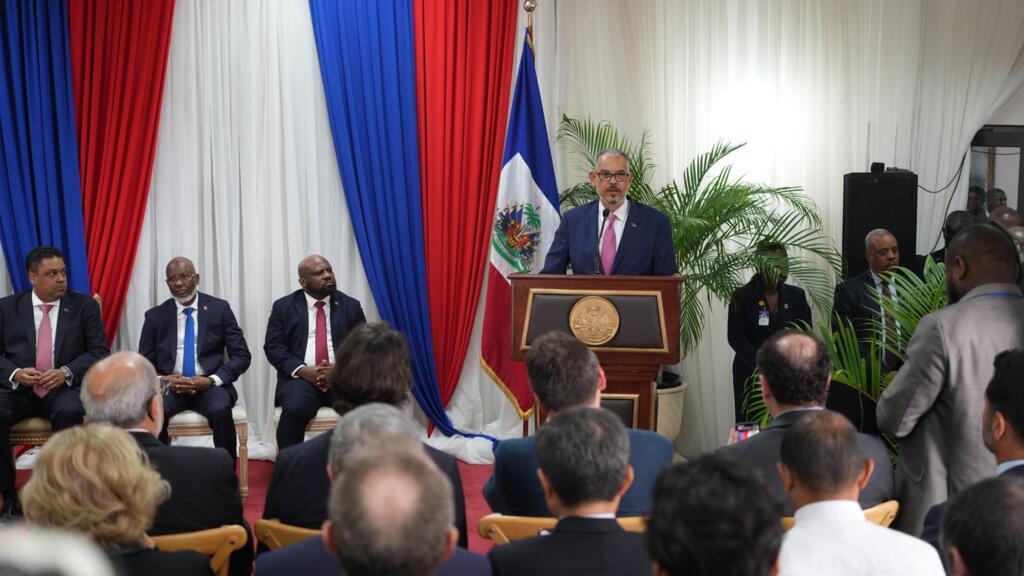
After two years of navigating treacherous waters, Haiti's transitional presidential council has officially passed the baton to Prime Minister Alix Didier Fils-Aimé. The move, finalized this past Saturday, marks a significant step – albeit a cautious one – toward stability in the beleaguered Caribbean nation. It also hopefully paves the way for long-overdue general elections, the first in a decade.
Haiti Power Transfer: US Choice Sparks Fury - What...
The handoff isn't exactly a surprise. Fils-Aimé's name has been circulating for weeks, and the backing he received from the United States certainly played a role in his appointment. Which, let's be honest, is pretty much par for the course when it comes to Haitian politics. Foreign influence is rarely absent, and this situation is no different. Whether that influence is ultimately beneficial remains to be seen.
The transitional council, tasked with steering Haiti through a period of immense instability, faced an uphill battle from day one. Formed two years ago in the wake of… well, let's just say a lot of political turmoil (we all remember the headlines), the council's primary objective was to pave the way for democratic elections. But the elephant in the room, or rather, the elephant controlling most of Port-au-Prince, was the relentless gang violence.
And frankly, they struggled. The grim reality is that the council simply couldn't get a handle on the escalating violence that's been choking the country. Gangs continue to wield immense power, effectively controlling large swathes of the capital and beyond. This isn't just about petty crime; we're talking about systemic control, extortion, and a climate of fear that permeates every aspect of daily life. I’ve seen reports suggesting some areas are essentially no-go zones for government forces, which paints a pretty bleak picture.
So, what does Fils-Aimé's leadership mean for Haiti? Well, hope springs eternal, as they say. The promise of elections is certainly a positive sign. Haitians deserve the opportunity to choose their leaders and have a voice in their future. But let’s not kid ourselves, the challenges are immense. Prime Minister Fils-Aimé will need to demonstrate real leadership, build trust with a deeply fractured populace, and, crucially, find a way to address the root causes of the gang violence. It's a monumental task, and he'll need all the help he can get – both from within Haiti and from the international community. The future of Haiti hangs in the balance.
Comments
Please sign in with Google to post a comment
No comments yet. Be the first to comment!