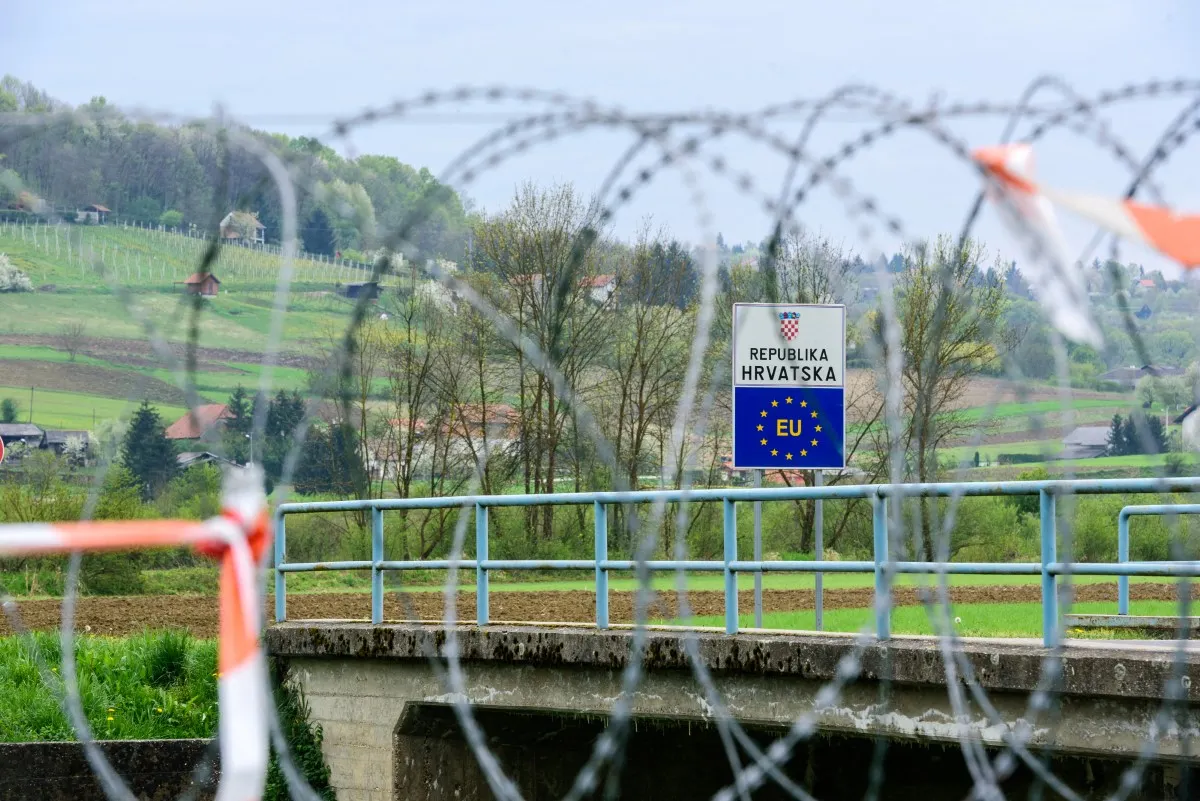
So, what's *really* going on with immigration in Europe? The headlines scream about rising nationalism and border disputes, painting a picture of a continent deeply divided. And, frankly, that’s not entirely wrong. But, as is often the case, the truth is a little more complicated than the soundbites suggest. New surveys are offering a glimpse beneath the surface of Public opinion, and the results are… well, nuanced.
Europe's Immigration SHOCK: The TRUTH Revealed! Wh...
The problem, as I see it, is that the political discourse has become so incredibly polarized. You're either "pro-immigration" or "anti-immigration," and there's seemingly no room for anything in between. This simplistic framing completely ignores the legitimate concerns people have – about social cohesion, economic impacts, and cultural integration. And it also glosses over the very real benefits immigration can bring, like filling labor shortages and boosting innovation. It's a frustrating situation for anyone trying to have a reasonable conversation.
These new surveys are starting to unpack some of that complexity. What they're finding is that most Europeans aren't necessarily against immigration in principle. Instead, they have very specific concerns about the *scale* and *type* of immigration. For example, many are worried about the strain on social services, particularly in countries already struggling with high unemployment. Others are concerned about cultural integration and the potential for social tensions. These aren't necessarily signs of rampant xenophobia, but rather genuine anxieties about the challenges of managing diverse communities.
What I find particularly interesting is that opinions seem to vary quite a bit depending on the region. In some countries, like Germany, where there's a clear need for skilled workers, public sentiment towards certain types of immigration is generally more positive. But in other countries, particularly those facing economic hardship, there's more skepticism. And even within countries, you see divisions between urban and rural areas, younger and older generations, and different socio-economic groups. It's a real patchwork of opinions, shaped by local contexts and personal experiences.
Ultimately, what this all suggests is that we need to move beyond the simplistic "pro" versus "anti" framing. We need to have a more honest and open conversation about the challenges and opportunities of immigration, one that acknowledges the legitimate concerns people have while also recognizing the potential benefits. It's not going to be easy, but it’s absolutely crucial if we want to build more cohesive and prosperous societies in the long run. Ignoring these nuances, as political leaders often do, only serves to exacerbate divisions and fuel resentment. And nobody benefits from that.
Comments
Please sign in with Google to post a comment
No comments yet. Be the first to comment!