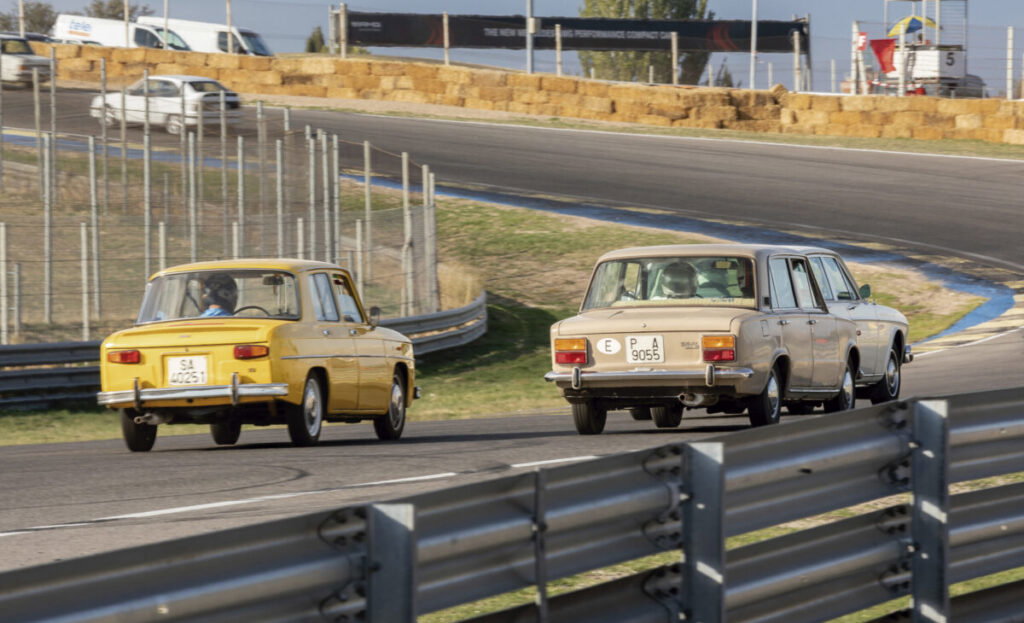
**How driving an old banger in Spain could benefit you – Entry in low emission zones, cheaper insurance & some road tax exception**
Drive a Clunker in Spain? You Won't Believe The Pe...
By Adam Woodward • Published: 07 Feb 2026 • 11:32 • 4 minutes read
Retirees are often drawn to Spain, and it seems they're also increasingly drawn to older, more affordable cars. It's not hard to see why. The Spanish climate is generally kinder to older vehicles, reducing the risk of rust. Plus, there's a certain relaxed attitude towards parking here, which can be a blessing if you’re piloting something a little less… pristine. This combination of factors makes owning an older vehicle a surprisingly sound financial choice, especially for those of us who don’t need to rack up huge mileage.
Data suggests a clear trend: Older cars are popular. With nearly half of all cars on Spanish roads being over 15 years old, plenty of people are opting for budget-friendly, older models for their transportation needs. But here's the kicker: these older vehicles actually offer some unexpected advantages. We're talking easier access to low-emission zones, lower insurance premiums, and potentially fewer run-ins with the DGT (Spain's traffic authority). A recent report showed that sales of vehicles over 10 years old are outpacing new car sales by a whopping 40 percent! This trend is especially popular with expats, which has, inevitably, contributed to rising used car prices. I've seen models over 20 years old experience a 15 percent price surge simply because everyone wants something cheap and cheerful that still runs.
A fascinating development is the surge in registrations of historic vehicles, skyrocketing from 48,000 to over 175,000 in just one year after the implementation of Real Decreto 892/2024. This law, which modernized outdated 1995 regulations, has simplified and reduced the cost of classifying vehicles over 30 years old as "historic" or even "classic." Essentially, it's made it much easier to preserve these older vehicles.
Apparently, DGT Director General Pere Navarro was inspired by the classic car scene in the UK. The law aims to promote the conservation and cultural appreciation of automobiles as icons of the 20th century. The application process is now relatively streamlined, often completed online for a nominal fee. The key requirements are that the vehicle was manufactured or first registered at least 30 years ago, is no longer in production, remains largely in its original condition, and is well-maintained. Given the relative simplicity of older vehicles and the continued availability of parts, I can see why this is appealing. It's a way to keep a classic on the road without breaking the bank.
So, what does this all mean for expats? Well, while import taxes on Older cars can still be significant (up to a third of the vehicle's value), the law seems to prioritize local preservation over export. Registering a vehicle as "histórico" (historic) with the DGT grants it special status, often indicated by an "H" on the license plate or a visible badge. This applies to vehicles at least 30 years old that meet the Real Decreto 892/2024 criteria. The official DGT procedures provide a step-by-step guide, and it's worth checking out if you're considering bringing an older vehicle to Spain. It might just save you a few euros – and give you a cool conversation starter at the local bar.
Comments
Please sign in with Google to post a comment
No comments yet. Be the first to comment!