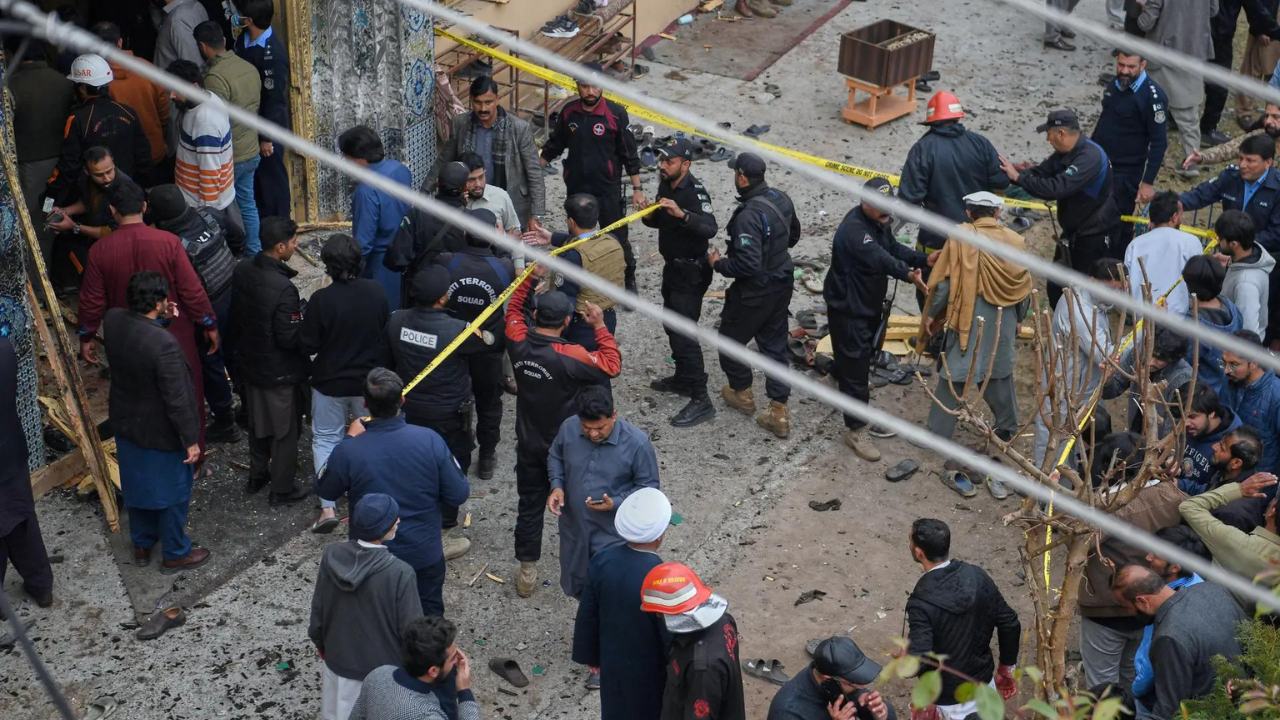
A dark day in Islamabad. A suicide bomber struck a Shia mosque during Friday prayers, leaving a trail of devastation and grief. At least 31 people are confirmed dead, and the number is sadly expected to climb given the over 170 reported injuries. This is the deadliest attack the capital has seen since the Marriott bombing back in 2008, a stark reminder of the ever-present threat of extremism.
Islamabad Mosque Bombing: 31 Dead! Is India Involv...
The blast occurred at the Imam Bargah Qasr-e-Khadijatul Kubra mosque, located on the outskirts of the city. According to police sources, the attacker was intercepted at the gate, but managed to detonate the explosives before being fully subdued. The sheer force of the explosion ripped through the building, turning a place of worship into a scene of carnage.
Eyewitness accounts paint a horrifying picture. Muhammad Kazim, a 52-year-old worshipper, described hearing gunfire followed by an "extremely powerful" explosion just as prayers were beginning. Can you imagine being in that position? A moment of peace shattered by such brutality? It's something that will undoubtedly haunt the survivors for years to come.
Predictably, the blame game has already begun. Pakistan's Defence Minister Khawaja Asif, in a rather inflammatory tweet, accused India of sponsoring the attack, citing the bomber's alleged travel history to Afghanistan. It's a serious accusation, and one made without a shred of evidence presented to the public. It feels like a knee-jerk reaction, a desperate attempt to deflect from internal issues.
India's Ministry of External Affairs (MEA) has rightly and swiftly rejected these claims as baseless. They condemned the bombing and offered condolences, but also pointed out the obvious: Pakistan needs to address its own internal problems instead of resorting to scapegoating. It's a fair point. Throwing accusations around without evidence only serves to further destabilize an already fragile situation.
So far, no group has claimed responsibility for the attack. However, South Asia analyst Michael Kugelman suggests the target indicates the possible involvement of either the local affiliate of ISIS or anti-Shia militant groups. This attack underscores the complex and volatile security landscape in Pakistan, and the ongoing struggle against extremist ideologies.
The scenes at the Pakistan Institute of Medical Sciences hospital were heartbreaking. AFP journalists reported seeing a flood of casualties, including children, arriving in ambulances and even the boots of cars. Medics and volunteers worked tirelessly, desperately trying to save lives. It’s the kind of image that stays with you, a stark reminder of the human cost of this senseless violence.
Comments
Please sign in with Google to post a comment
No comments yet. Be the first to comment!