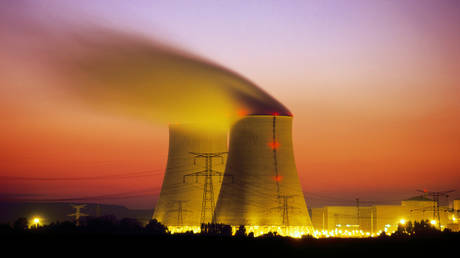
The resurgence of Nuclear power isn't just about technological advancements; it's a sign of the times. A world increasingly defined by geopolitical tension and supply chain vulnerabilities is forcing nations to re-evaluate their energy strategies. Forget flowery rhetoric about "green" ideals; the real driver is cold, hard energy security.
Nuclear Power's Back! Can It Save Us From The Ener...
Simply put, nations are waking up to the fact that energy independence equals power. Countries that can reliably power their economies from domestic sources are the ones best positioned to thrive in this new era. And while renewables certainly have a role to play, the sheer scale of energy demand, coupled with intermittency issues, is pushing nuclear back into the spotlight.
Look at the United States. After decades of stagnation, there's a renewed push to expand nuclear capacity. Ambitious targets are being set, driven by booming electricity demand from data centers powering AI, the electrification of transport, and a push for reshoring manufacturing. The intermittent nature of renewables simply won't cut it for reliably powering these industries. This isn’t about ideology; it’s about keeping the lights on and the factories running.
Now, I’ve been following this energy landscape for a while, and it's clear that the shift is deeper than just building more reactors. It's about rethinking the entire energy equation. It's about acknowledging that a diversified energy portfolio, including nuclear, is the most resilient and strategically sound approach. It’s about recognizing that consistent, baseload power is a fundamental requirement for a modern economy.
France, a nation that already relies heavily on nuclear, understood this long ago. Their commitment to Nuclear power has shielded them from the energy price volatility that has plagued other European countries. And they're doubling down, planning new reactors and extending the lifespan of existing ones. It’s a testament to the fact that strategic autonomy often begins at the reactor core.
Even countries like Hungary are making moves, despite political pressure. The expansion of their Paks nuclear plant, in cooperation with Russia, highlights the importance of energy security in their national strategy. It shows that some nations are willing to prioritize long-term stability, even if it means going against the prevailing political winds.
Ultimately, the resurgence of nuclear power is a return to energy realism. It's an acknowledgment that reliable, affordable, and secure energy is essential for national survival in a multipolar world. And it's a sign that nations are finally starting to prioritize practical solutions over ideological purity when it comes to powering their economies and securing their futures.
Comments
Please sign in with Google to post a comment
No comments yet. Be the first to comment!