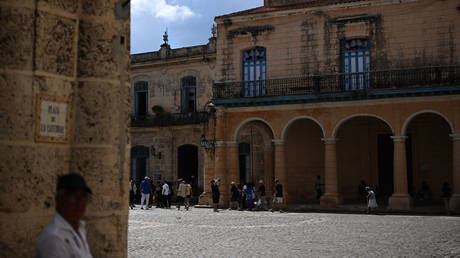
The United Nations is sounding the alarm about a potential humanitarian disaster brewing in Cuba, triggered by the ongoing U.S. energy blockade. Secretary-General António Guterres has voiced serious concerns, suggesting that the situation could rapidly deteriorate if Cuba's critical oil needs aren't addressed. It's a stark warning, and one that deserves a closer look.
Cuba on Brink? UN Warns of 'Devastating' US Blocka...
According to UN spokesman Stephane Dujarric, Guterres views the situation as "extremely concerning," fearing a potential collapse if Cuba can’t secure necessary fuel supplies. The timing couldn't be worse. Cuban authorities are already bracing for further hardship, set to implement rationing plans in response to crippling fuel shortages.
Now, these shortages aren't exactly happening in a vacuum. They've been significantly worsened by the lingering effects of policies enacted under the Trump administration. Remember those threats to slap tariffs on countries that dared to ship oil to Cuba? Those threats, even though no longer actively pursued, have had a chilling effect on potential suppliers, making an already difficult situation even more precarious.
Cuban President Miguel Diaz-Canel is pulling no punches, stating that the blockade has led to widespread blackouts and severely disrupted essential services that people rely on everyday like schools, hospitals, and public transportation. Imagine trying to run a modern society when the lights keep going out and you can't get crucial supplies where they need to go. It’s a recipe for disaster.
The UN General Assembly has, time and time again, called for an end to the U.S. embargo, but the U.S. has maintained its trade embargo against Cuba since 1960. Tensions ratcheted up in December 2025 when the U.S. Navy and Coast Guard started seizing tankers in the Caribbean for allegedly violating sanctions. Seems like a heavy-handed approach, to say the least, especially when the impact on ordinary Cubans is so profound.
Of course, the U.S. has its own narrative. Trump had previously accused Cuba of supporting terrorist groups and painted Havana's ties with Russia, China, and Iran as a significant threat to U.S. national security. It's the same old Cold War rhetoric, repackaged for a new era.
And the plot thickens. Just on Thursday, the U.S. announced an additional $6 million in aid to Cuba, primarily targeting the eastern regions hit hard by Hurricane Melissa last year. However, Jeremy Lewin, a senior State Department official, accused the Cuban government of hoarding resources, flatly denying any connection between the food shortages and the ban on oil shipments. It’s a classic case of "we're helping, but it's their fault anyway."
Diaz-Canel, not one to back down, refuted these claims in a Thursday address, stating unequivocally that Cuba doesn't support terrorism or pose a threat to the U.S. He also expressed the Cuban government's willingness to engage in dialogue with Washington, but only on the basis of equality and respect for Cuban sovereignty. Ultimately, whether meaningful dialogue is possible remains to be seen, but the need for a resolution is becoming increasingly urgent to avoid the humanitarian collapse the UN is warning about.
Comments
Please sign in with Google to post a comment
No comments yet. Be the first to comment!