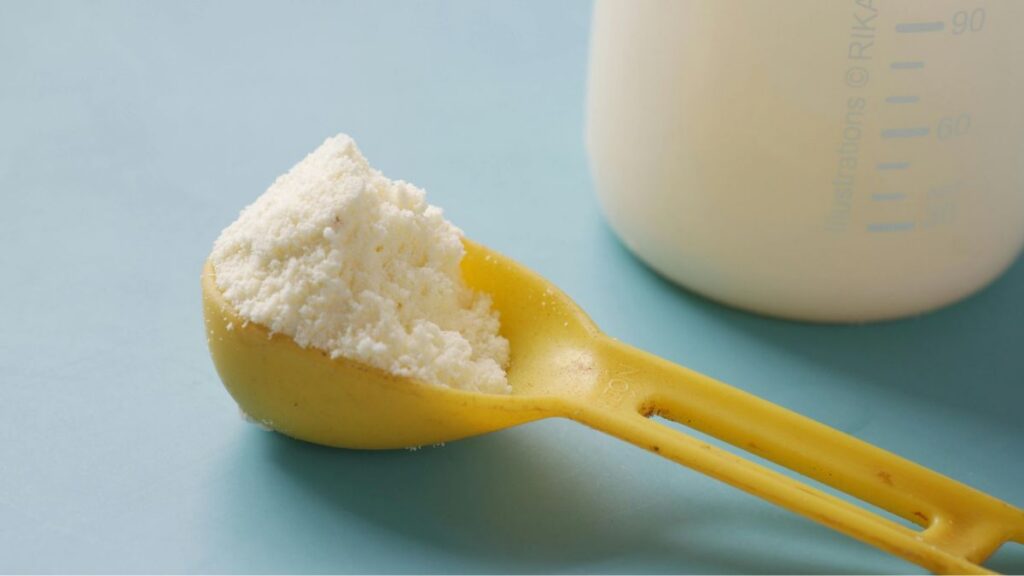
Another Belgian infant has tested positive for the cereulide toxin after consuming recalled formula, sparking renewed concerns about Infant formula safety across Europe. This is the second confirmed case in Flanders, Belgium, and it underscores the urgent need for vigilance and robust safety measures within the infant formula industry.
Belgian Baby Formula CRISIS: Second Infant Tests P...
The Federal Agency for the Safety of the Food Chain (FASFC) confirmed that the baby, thankfully now recovered, experienced several days of diarrhea in mid-January. The culprit? Milk from a batch that was subsequently recalled due to suspected contamination. Stool samples later confirmed the presence of cereulide, a nasty bacterial toxin. It’s a parent's worst nightmare, to think something intended to nourish could actually harm their child.
Belgian health officials are now practically begging parents and caregivers to meticulously check all milk and formula products against recall lists. They're urging everyone to immediately stop using any affected batches. This isn't just a suggestion; it's a crucial step to prevent further cases of cereulide poisoning.
So, what exactly does cereulide exposure look like? Symptoms typically pop up pretty quickly – anywhere from 30 minutes to six hours after ingestion. We’re talking nausea, vomiting, and watery diarrhea – all classic signs of gastroenteritis. However, in infants, these symptoms can quickly lead to dehydration, a dangerous condition that requires prompt medical intervention. It's easy to dismiss as a common bug, but the potential consequences are far more serious.
The fallout from this contamination has been widespread. Regulatory agencies across Europe have responded by tightening safety guidelines and issuing further recalls. The European Food Safety Authority (EFSA) is pushing for stricter limits on cereulide exposure in infants, aiming to better protect our little ones. This has prompted some national authorities to actually lower the allowable toxin thresholds and yank even more products off the shelves. It's a reactive approach, but hopefully, it will prevent future occurrences.
Unsurprisingly, this crisis has also triggered legal battles. Consumer groups and families are launching legal action against formula giants like Nestlé, Danone, and Lactalis. Their allegations? Delayed public warnings and inadequate safety protocols. Whether these claims hold water remains to be seen, but it highlights the immense pressure these companies are under to ensure the safety of their products.
Right now, investigations are still underway in several countries. The goal is to determine the full extent of the contamination and whether it's linked to other serious infant illnesses or, God forbid, fatalities. This is a complex investigation, and it will take time to unravel the truth.
The bottom line? If you suspect your infant is showing signs of cereulide-related illness after consuming formula, seek immediate medical attention. Don't hesitate. Especially if the symptoms are severe or just not going away. It's better to be safe than sorry in a situation like this. The peace of mind alone is worth the trip to the doctor.
Comments
Please sign in with Google to post a comment
No comments yet. Be the first to comment!