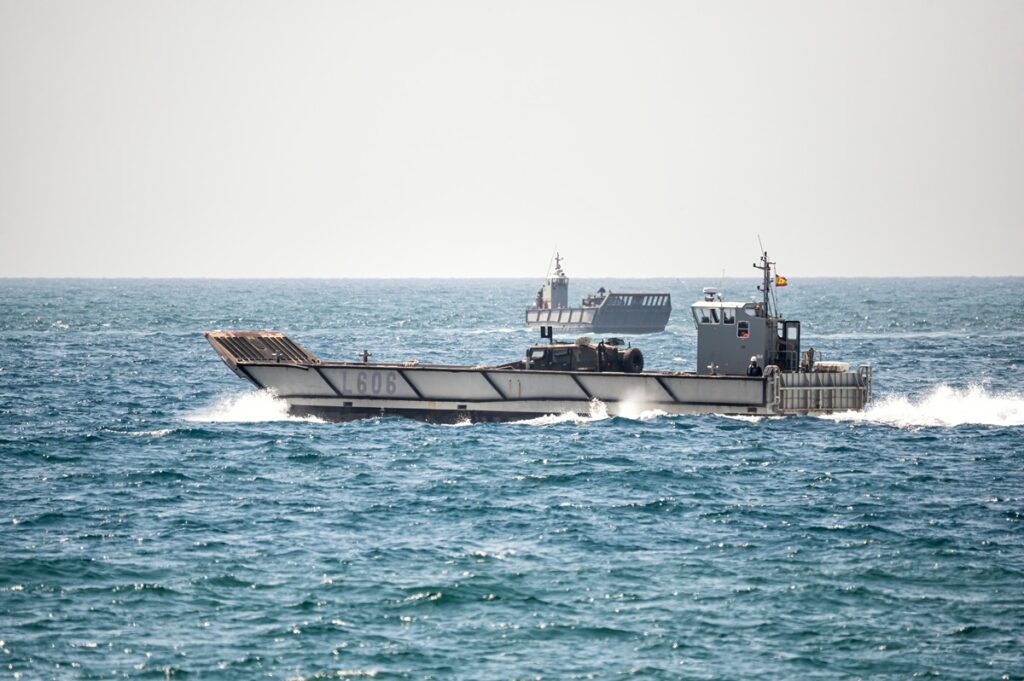
Spain has quietly but firmly ramped up its naval surveillance after spotting Russian naval vessels operating a little too close for comfort near its waters. It's not exactly panic stations, but the Spanish Navy is taking no chances, activating its defense protocols as a precaution. Think of it as a responsible, "eyes wide open" approach to a potentially sensitive situation.
BREAKING: Russian Navy off Spain?! Military on Hig...
According to reports from the Spanish Defence Staff, relayed by EFE, this increased vigilance falls under Spain's existing maritime vigilance and deterrence missions. These missions, running year-round, are designed to offer a quick response to any unusual or repeated activity from foreign naval forces. Basically, they're always on the lookout, and they've noticed something worth paying closer attention to.
The initial sighting, apparently, was in the Alboran Sea and the always-busy Strait of Gibraltar. Now, that's a strategically vital choke point. It's where the Mediterranean Sea meets the Atlantic Ocean, and it's a superhighway for commercial, military, and civilian ships alike. You can imagine why everyone's a bit jumpy about unusual activity there.
The Spanish patrol ship Audaz, a name that seems rather fitting, was dispatched to keep a close eye on the Russian vessel's movements through the area. The mission wasn't about direct confrontation; it was about monitoring speed, route, and general behavior until the Russian ships moved on from Spanish waters. Observation is key here.
What raised eyebrows, according to defense sources, was the frequency and pattern of these Russian movements, especially given the current global climate. Even if the ships are technically navigating legally, repeated activity in strategically sensitive areas demands a closer look. It's just common sense, really.
Military analysts have been quick to point out just how crucial these waters are for Spain, for European and NATO security, and for protecting vital shipping lanes, energy routes, and undersea infrastructure. Keeping tabs on foreign naval movements allows authorities to anticipate potential risks proactively. It's about being one step ahead, if possible.
Spain's approach, from what I can gather, is all about prevention rather than outright confrontation. The Navy sees its role as ensuring freedom of navigation while safeguarding national interests. That means carefully tracking and documenting any sensitive movements. It's a delicate balancing act, but it seems to be working, at least for now.
The Spanish Navy has emphasized that these operations fall under a broader framework they call "reactive naval presence." This allows for the rapid deployment of ships, aircraft, and surveillance systems when needed. It's flexible, with regular ship rotations, patrol area adjustments, and response levels that are calibrated to the specific situation. In this particular case, the response was measured and proportional. No incidents, no disruption to civilian traffic. No escalation or breach of international law, according to Spanish authorities. Just careful monitoring, a bit of an escort when necessary, and a watchful eye as the Russian vessels continued their journey. It’s a reminder that Spain occupies a critical strategic position and a reassurance, perhaps, that things are being handled with a cool head.
Comments
Please sign in with Google to post a comment
No comments yet. Be the first to comment!