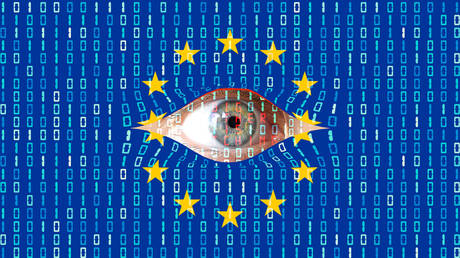
Alright folks, buckle up, because things are getting spicy across the pond. The US is throwing some serious shade at the European Union, accusing them of, essentially, censorship. And not just a little bit, but a systematic effort to stifle free speech online.
EU Censorship Accusations: Is This the End of Tran...
The House Judiciary Committee is currently digging into this, claiming that Brussels has been running a decade-long campaign to control the flow of information online, particularly anything that veers into what they deem "disinformation." That's a pretty loaded term these days, isn't it? According to the committee's report, the EU has been using thinly veiled threats to strong-arm social media platforms into silencing memes, satire, and basically anything they don't like.
The accusation is that the EU is "directly infringing" on the free speech rights of both Americans and Europeans. How? By pressuring platforms to censor content that, while legal, might be considered "hateful" or otherwise problematic. Now, I'm all for stamping out hate speech, but the line between that and legitimate political discourse can get awfully blurry, awfully fast. This investigation seems to suggest the EU is overstepping.
Apparently, it all started back in 2015 with the EU Internet Forum, originally set up to combat terrorist content. Fair enough, right? But, the committee alleges that the mission quickly morphed into policing a much wider range of political speech, branding it as "borderline content." This included material that wasn't illegal, but still targeted for censorship. The report details how supposedly "voluntary" meetings with tech execs turned into something much more coercive, with the implied threat of legal action and hefty fines hanging over their heads. Internal emails even show Google staff admitting they didn't really have a choice about attending these 'voluntary' meetings. That doesn't sound very voluntary to me.
It's not just about hate speech either. The EU's handbook on "borderline content" recommends monitoring, demoting, and deleting a laundry list of stuff, including "populist rhetoric," "anti-government/anti-EU" content, "anti-elite" content, "political satire," and even "meme subculture." During the pandemic, they reportedly pressured tech firms to clamp down on vaccine skepticism and dissenting opinions on lockdown measures. Now, I'm pro-vaccine, but silencing debate on these things feels a bit… well, Orwellian.
Look, I understand the desire to combat misinformation and hate speech. Nobody wants that garbage flooding the internet. But there's a real danger in giving governments too much power to decide what is and isn't acceptable speech. Where do you draw the line? It's a slippery slope, and this investigation suggests the EU might be sliding down it pretty fast. It will be interesting to see how this unfolds and what consequences, if any, will arise.
Comments
Please sign in with Google to post a comment
No comments yet. Be the first to comment!