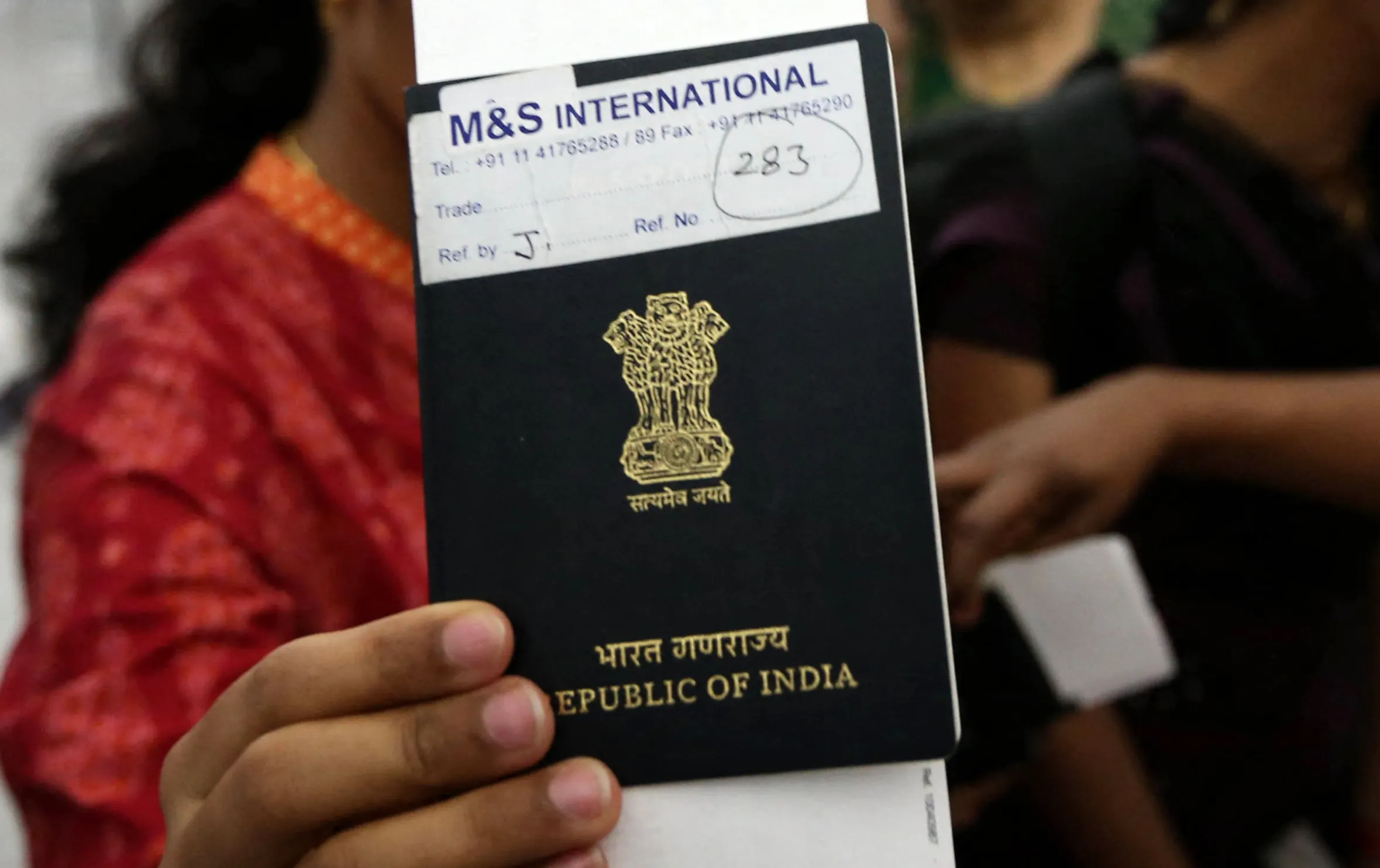
The EU Blue Card, a coveted pass for highly skilled workers from outside the European Union, continues to be a significant pathway for talent seeking opportunity within the bloc. Recent data reveals some interesting trends about who's getting these cards, and where they're choosing to settle. It's not just about filling skills gaps; it’s shaping the future of the EU workforce, really.
EU Blue Card SHOCK: Which Nationalities Dominate &...
So, who's benefitting the most? While the data fluctuates year by year, certain nationalities consistently top the list of Blue Card recipients. India and China often feature prominently, reflecting their large populations and well-established educational systems pumping out qualified professionals. It’s also worth noting that countries like Turkey and Russia frequently make the top ranks as well. Think about it: the draw of the EU's advanced industries and higher salaries is a powerful magnet.
But it’s not just about the origin of the talent; it's also about where they're going. Germany consistently issues the highest number of EU Blue Cards. This isn't particularly surprising, given Germany’s robust economy and its proactive approach to attracting skilled immigrants, especially in fields like engineering, IT, and healthcare. Other popular destinations include France, Sweden, and increasingly, Poland – countries with growing economies and specific sector needs. I've noticed, anecdotally, that the language barrier, while always a factor, seems less daunting than it used to be, particularly in tech-heavy industries where English often suffices.
The popularity of certain destinations often mirrors the specific demands of their job markets. For instance, countries with strong manufacturing sectors, like Germany, are likely to attract engineers, while nations focusing on technology and innovation might see an influx of IT professionals. This geographic distribution isn't random; it’s a direct reflection of the EU's economic landscape and strategic priorities. Consider also the existing diaspora networks – these can play a HUGE role. If there's a thriving Indian community in, say, the Netherlands, it can make that destination even more attractive for new arrivals from India. The Blue Card scheme, therefore, is more than just an immigration policy; it's an intricate part of the EU's economic strategy, aiming to bolster competitiveness and innovation by attracting the best and brightest from around the world.
Comments
Please sign in with Google to post a comment
No comments yet. Be the first to comment!