Amidst simmering tensions, the U.S. military has confirmed it shot down an Iranian drone in the Arabian Sea. The incident, described as an "aggressive approach" towards a U.S. vessel, throws a wrench into what might have been a budding opportunity for dialogue. Iranian President Masoud Pezeshkian, you see, just announced he's instructed his foreign minister to pursue negotiations with the United States. It’s a pretty stark contrast, isn't it? Diplomatic olive branch one moment, missile intercept the next.
US Shoots Down Iranian Drone Near Arabian Sea: Wha...
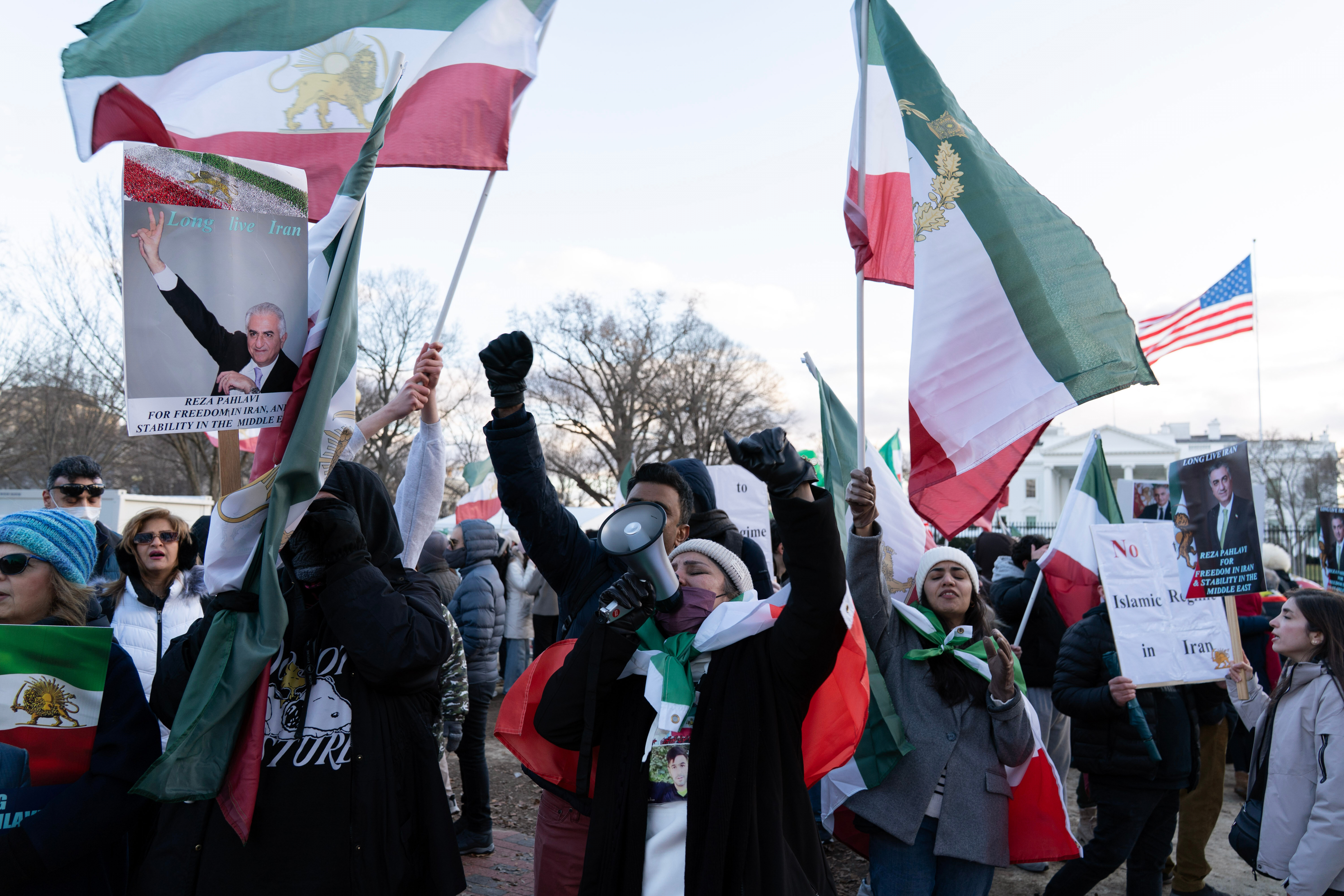
This announcement from Pezeshkian marks the first real sign of Tehran possibly being willing to talk amid heightened tension with Washington, following that pretty brutal crackdown on nationwide protests just last month. I mean, just think about it: this is a guy who’d previously warned things inside Iran were spiraling beyond his control. So, for him to suddenly pivot towards negotiation suggests he's managed to secure at least some support from Supreme Leader Ayatollah Ali Khamenei, who had previously been firmly against any kind of negotiations. Big development, if true.
But, as always with this region, nothing's ever straightforward. The possibility of these talks was immediately clouded by the U.S. Central Command's announcement. According to them, a U.S. Navy fighter jet took out an Iranian drone that was approaching an American aircraft carrier. Central Command's statement said the drone "aggressively approached" the carrier with "unclear intent" and "continued to fly toward the ship despite deescalatory measures taken by U.S. forces operating in international waters." So, the U.S. side is painting a picture of a legitimate self-defense action. I'm sure Tehran has a different version of the story.
Apparently, Turkey has been working behind the scenes to try and facilitate talks, potentially later this week. U.S. Mideast envoy Steve Witkoff is currently traveling in the region, which suggests there's some genuine momentum, or at least hope. A Turkish official, speaking anonymously as they often do, said that while the location of the talks is still up in the air, Turkey's ready to lend a hand. The official also added that foreign ministers from Oman, Pakistan, Qatar, Saudi Arabia, and the United Arab Emirates have been invited to attend, if these talks actually materialize. That's a pretty significant regional lineup, which could indicate strong support for a diplomatic solution, but who knows.
Of course, the big question is whether any agreement between Iran and the U.S. is even possible. Remember Trump's list of demands for any negotiations, which includes Iran's nuclear program? And that time he ordered the bombing of those Iranian nuclear sites during the recent war? It's a complicated situation with a lot of history. Pezeshkian himself acknowledged the difficulty, saying he was pursuing negotiations after "requests from friendly governments in the region to respond to the proposal by the President of the United States for negotiations." He even put it on X (or Twitter, whatever we're calling it now) in both English and Farsi. He added that a "suitable environment" free from threats and unreasonable expectations would need to exist for fair negotiations. The U.S., however, has yet to officially acknowledge that talks will even take place. This whole situation is a delicate dance, and this latest drone incident is a definite stumble.
Comments
Please sign in with Google to post a comment
No comments yet. Be the first to comment!