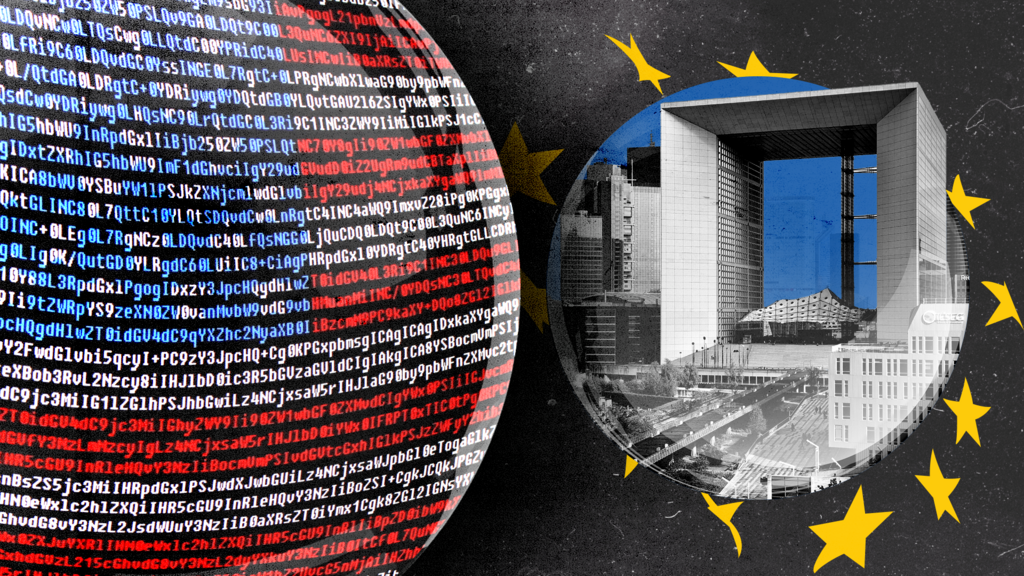
The specter of a digital iron curtain, however improbable it may seem, is starting to haunt European boardrooms. Businesses across the continent are increasingly anxious about their reliance on US technology giants. Imagine waking up one day to find your cloud servers inaccessible, your software licenses revoked, or your customer data held hostage – all because of a political squabble thousands of miles away. It’s a scenario gaining traction, and not just among conspiracy theorists.
Europe vs. Big Tech: Survival at Stake! What Happe...
This growing apprehension forms the core of our second exploration into Digital sovereignty. We're diving deep into the uncomfortable truth: Europe's profound dependence on American Big Tech and the inherent risks that come with it. It's not simply about national pride; it's about business continuity, economic stability, and frankly, survival in an increasingly uncertain world.
The elephant in the room is the potential for a future US administration, perhaps less aligned with European interests, to weaponize access to critical digital infrastructure. We've seen glimpses of this already, with sanctions and trade wars affecting technology supply chains. While a complete digital blockade might be unlikely, the potential for disruption is real, and businesses are starting to take notice. I've spoken to several CEOs who, while reluctant to go on record, admitted they're actively exploring alternatives, hedging their bets against a potential digital freeze.
But disentangling from the United States is a monumental task. US companies dominate key sectors: cloud computing (Amazon, Microsoft, Google), software (Microsoft, Oracle, Salesforce), and social media (Meta, X). European businesses are deeply embedded in these ecosystems, their operations intertwined with US-controlled data centers, platforms, and applications. It's like trying to perform open-heart surgery on yourself while still running a marathon. It's that complicated.
The challenge isn’t just about finding alternative technologies, although that’s a significant hurdle. It's about the cost of migration, the retraining of staff, and the potential disruption to existing workflows. Smaller companies, in particular, often lack the resources to undertake such a radical transformation. They may feel trapped, forced to remain dependent on US providers despite the growing unease. So, the question isn't just "can Europe do it?" but "how can Europe make it feasible for businesses of all sizes to participate in the Digital sovereignty movement?" That, my friends, is the million-euro question.
Comments
Please sign in with Google to post a comment
No comments yet. Be the first to comment!