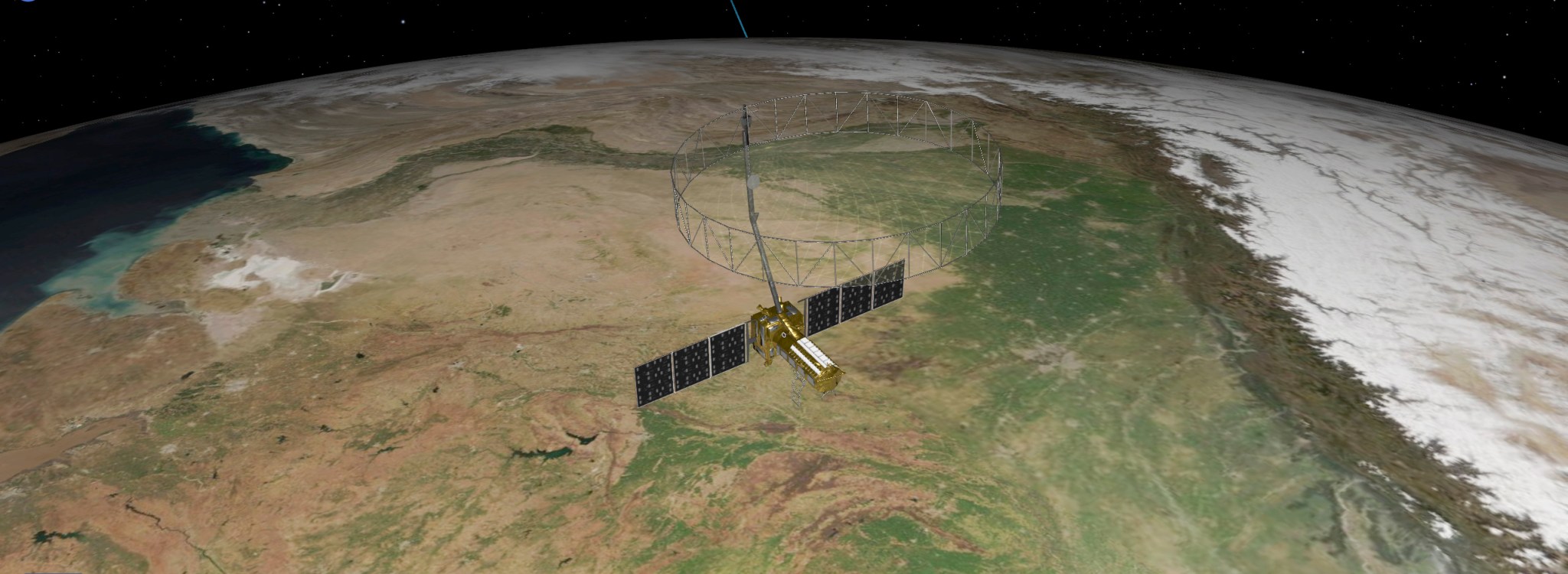
NASA is putting out a call to innovators with a new challenge aimed at revolutionizing how we monitor and manage our planet's resources. The "Space to Soil" challenge, backed by a cool $400,000 in prizes, is looking for bright minds to design small satellite (SmallSat) missions that utilize adaptive sensing and onboard processing to boost regenerative agriculture, sustainable forestry, and other vital land resilience efforts. It's an exciting opportunity to contribute to a more sustainable future, and it's happening right now.
NASA's Bold Plan: Can Space Tech Save Earth's Soil...
The core idea? Forget the traditional approach of satellites simply collecting data. NASA wants to see missions that are actually *thinking* – intelligently interpreting environmental changes in real-time and responding accordingly. Imagine satellites that can detect early signs of drought stress in crops or pinpoint areas vulnerable to deforestation, all without constant human intervention. That's the kind of transformative capability we're talking about.
What’s really driving this? Well, the rapid advancements in commercial space technology, artificial intelligence, and edge computing are making this kind of adaptive sensing a real possibility. We're moving towards a future where satellites aren't just passive observers, but active participants in environmental stewardship. It's about getting more value from the data they collect.
The challenge isn't just about building fancy new hardware, though. NASA is particularly interested in how existing land observation algorithms can be cleverly integrated into an efficient, responsive onboard intelligence layer. In other words, how can we make the most of what we already know, but apply it in a smarter, more dynamic way using SmallSats? Both hardware and software solutions are welcome, and the best submissions will likely combine the two. It’s about finding the sweet spot between innovation and practicality.
Importantly, NASA isn't looking to reinvent the wheel when it comes to agricultural or forestry science itself. Instead, the focus is squarely on improving how SmallSats gather, process, and deliver information to enable these applications. The goal is to enhance existing systems with smarter sensing and processing capabilities.
The challenge is open now, with submissions due by May 4, 2026. So, if you're a tech whiz with a passion for sustainability, head over to nasa-space-to-soil.org for all the details. It's a chance to not only win some serious cash but also to play a part in shaping the future of Earth observation and resource management. Who knows? Your idea might just be the key to unlocking a more sustainable future for us all. I'll be watching closely to see what innovative solutions emerge!
Comments
Please sign in with Google to post a comment
No comments yet. Be the first to comment!