The European Union is walking a tightrope these days, trying to maintain a robust economic relationship with China while simultaneously addressing some serious trade imbalances. It's a delicate dance, made even more complicated by the ever-present uncertainty surrounding relations with the United States. Think of it as trying to assemble IKEA furniture while balancing on a yoga ball – challenging, to say the least.
EU-China Trade War?! Global Economy on Edge! What ...
The sheer scale of EU-China trade is staggering; it accounts for over 30% of global GDP. But, the flow of goods is decidedly one-sided. China is exporting far more to Europe than it's importing, leaving the EU with a goods trade deficit that ballooned to over $350 billion last year. European leaders are rightfully concerned, and they see this disparity as unsustainable in the long run. It's like having a friend who always borrows money and never pays you back – eventually, you have to have a conversation.
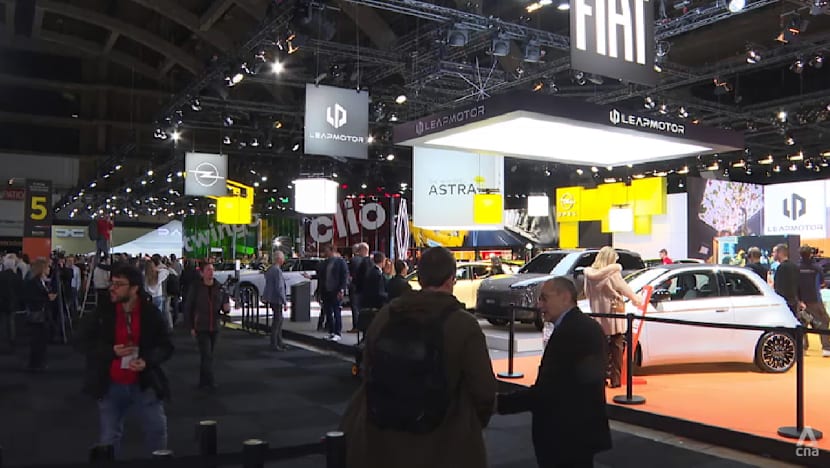
The electric vehicle (EV) sector is a prime example of this imbalance. Chinese EV makers are aggressively expanding into the European market. Zeekr Europe, for instance, has expanded its presence to 12 European countries. This rapid growth has raised eyebrows in Brussels, leading to the imposition of import duties as high as 35.3% on Chinese-made EVs, justified by claims of unfair state subsidies. Naturally, Beijing wasn't thrilled. They retaliated with anti-subsidy investigations into European dairy, pork, and brandy, and even slapped tariffs on some dairy products.
Negotiations are currently underway to try and de-escalate the situation, with talks focusing on mechanisms like minimum import pricing to mitigate the impact of the EV tariffs. However, Brussels is making it clear that deeper issues need to be addressed. As European Commission deputy chief spokesperson Olof Gill pointed out, the EU has longstanding concerns about industrial overcapacity, unfair trade practices, and that persistent trade deficit. These are not new complaints, and they need real solutions.
The EU isn't looking to sever ties with China. Instead, they're pursuing a strategy of "de-risking," aiming to protect critical supply chains while maintaining economic engagement. French President Emmanuel Macron has been vocal about rebalancing the relationship, advocating for fewer imports and more Chinese investment in Europe. Essentially, they want a more reciprocal arrangement.
Meanwhile, Beijing is signaling a desire for deeper cooperation with the EU, especially given the growing global trade uncertainties. Linlin Liang, from the China Chamber of Commerce to the EU, warned that protectionist measures could damage business confidence. She questioned the fairness of barring specific companies from certain countries without clear evidence, arguing that such actions would undermine fair competition within the EU. It's a valid point – transparency and clear justification are crucial for maintaining a healthy trading environment.
Caught between an increasingly assertive China and an unpredictable US, the EU is wisely diversifying its trade partners. This is a smart move, ensuring they aren't overly reliant on any single nation. The future of EU-China relations will depend on whether both sides can find common ground and address the underlying imbalances. It's a complex challenge, but one that's critical for the stability of the global economy.
Comments
Please sign in with Google to post a comment
No comments yet. Be the first to comment!